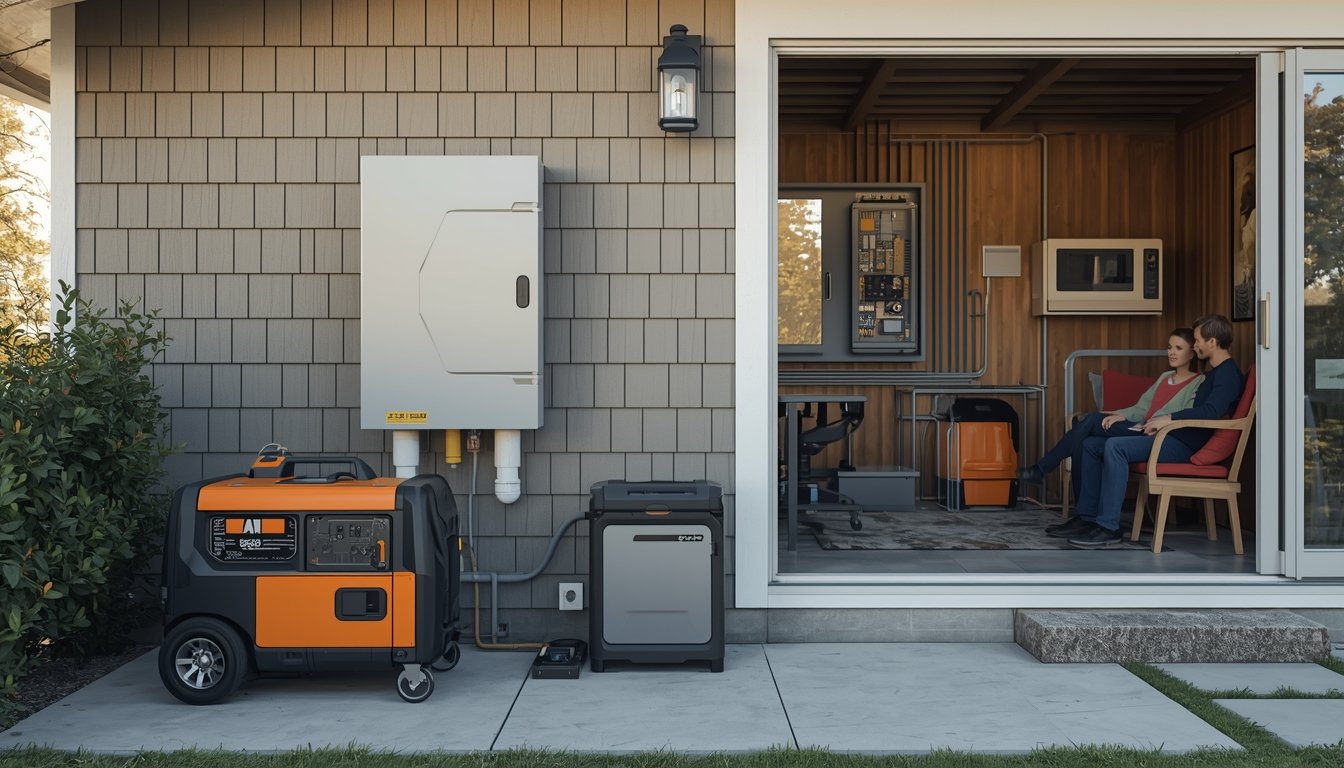
Local permits and building codes are typically required for installing a home backup power system. Homeowners must follow electrical and safety regulations set by local, state, and national authorities. Permits and code compliance help ensure that backup power installations are safe, legal, and function reliably.
How It Works
When planning to install a home backup power system, such as a standby generator, obtaining the proper permits is a crucial first step. The local permitting office reviews plans to ensure compliance with building and electrical codes. Approved installations are inspected during and after the process to verify they meet all requirements.
Building codes are intended to protect property and people. They cover factors like wiring methods, generator placement, fuel sources, ventilation, clearances, and connection to the house electrical system. Licensed professionals are often required for electrical and gas work to meet these standards. The process usually involves submitting detailed installation plans, getting permits before starting, and arranging inspections at key stages.
Regulations can differ based on location and the specific type or size of your backup system. Compliance with the National Electrical Code (NEC) and, in some areas, local amendments, is mandatory for most permanent installations.
What It Can Do
Obtaining permits and following applicable codes provides several important benefits for home backup power systems. It ensures safety, legal operation, and may be required by insurance providers.
- Verify that installation work meets fire and electrical safety standards set by authorities.
- Ensure the backup system integrates properly with the home’s wiring and utility connections.
- Provide documentation for homeowners’ insurance and future real estate transactions.
- Protect homeowners from possible fines, forced removal, or liability for unsafe installations.
- May be necessary for proper interconnection with the local electrical grid.
Homeowners who follow permitting procedures and codes help ensure their backup power system functions as intended during outages. Proper compliance can also minimize risks of malfunctions, property damage, or accidents over the life of the system. Not all benefits are immediate, but long-term safety and legal peace of mind are significant advantages.
Limitations and What It Cannot Do
Permit and code compliance does not guarantee absolute safety or performance from a backup power system. Approvals only confirm the system meets minimum regulatory requirements at the time of installation. Changes in usage, lack of maintenance, or system modifications after installation can introduce new risks not covered by the initial approval.
There are also limits to the scope of permits. They do not cover actions by unlicensed installers after inspections are complete, nor do they protect against manufacturer defects or misuse of the system. Inspections vary in thoroughness according to local resources and policies. Some jurisdictions may have less rigorous enforcement compared to others, which could impact overall safety.
Homeowners are ultimately responsible for regular maintenance and safe operation of their backup systems, even with permits and code-compliant installation. Always verify requirements with your local building authority before starting any work.
When It Works Best
Permits and codes are most effective when the home backup power installation is performed by licensed professionals. Thorough communication with the local permitting office and timely scheduling of inspections streamline the process. Areas with clear, up-to-date codes and active inspection regimes tend to ensure higher safety standards.
It is also beneficial to coordinate permitting during the planning stage, rather than waiting until the installation is underway. For more details about the overall process from start to finish, review What to Expect During a Standby Generator Installation. This approach helps anticipate any code-specific requirements or obstacles early. Proactive compliance is particularly important in regions prone to natural disasters or frequent power outages, where backup systems are critical.
Common Misconceptions
Permits are not optional for most permanent backup power installations, even for small generators.
An inspection does not replace the need for routine maintenance or safe usage practices.
Code compliance at the time of installation does not exempt you from updates if local laws change later.
“Plug-and-play” or portable generators may still require permits if connected directly to home wiring.
Final Answer Summary
Permits and building codes are essential for legally and safely installing home backup power systems. They confirm compliance with safety requirements but do not guarantee ongoing performance or eliminate the need for maintenance. Homeowners must remain informed and proactive about updates, inspections, and safe operation throughout the system’s life cycle.