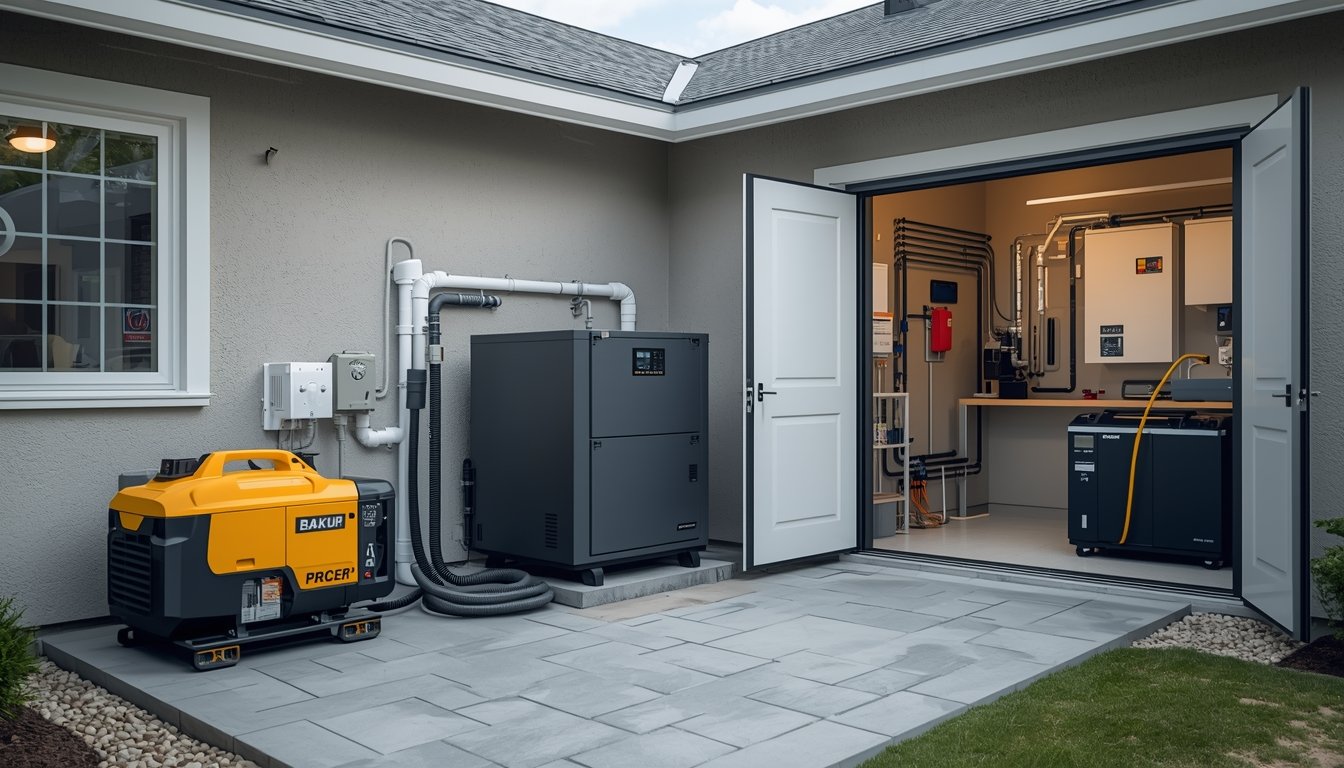
Home generator placement is crucial for safety and proper operation. Generators must be installed outdoors, at least five feet from any window, door, or vent to minimize carbon monoxide risks and comply with local codes. Proper placement also affects noise, airflow, and accessibility. Homeowners should consult local regulations and coordinate with professionals early in the planning process. For a step-by-step overview of what to expect, see What to Expect During a Standby Generator Installation to ensure all placement requirements are met.
Local Codes and Manufacturer Guidelines
Compliance with local codes is the starting point for safe generator placement. Most towns and municipalities have their own rules on how far a generator should be from buildings, property lines, and other infrastructure. These regulations are designed to protect occupants and neighbors from hazards like exhaust fumes and fire risks.
Beyond local regulations, generator manufacturers set minimum distance requirements in their product manuals. These guidelines account for heat dispersal, safety, and unit performance. Failing to follow either local or manufacturer rules can void warranties or even lead to fines.
Consulting both sets of rules before installing a generator is essential. Some areas may also require permits or inspector approval, especially in regions prone to hurricanes or wildfires. Homeowners should always verify which standards apply to their location. Combining official guidance with manufacturer instructions helps ensure a safe, reliable, and code-compliant backup power setup.
Distance from the Home and Openings
Placement guidelines typically require standby generators to be installed outdoors, a minimum distance from the home itself. The standard recommendation is at least five feet away from windows, doors, and vents. This separation is vital to prevent exhaust gases like carbon monoxide from entering the indoor environment.
Some local regulations may require an even greater distance, especially in densely built neighborhoods or when multiple windows are nearby. In these situations, increasing the separation further reduces risks and can also minimize noise intrusion inside the house.
It’s important that no part of the generator’s exhaust is directed toward any air intake or opening. If possible, choose a site on the house with fewer windows or openings and situate the machine downwind from living areas. Some manufacturers also specify a safe distance from decks, patios, and attached garages, so always cross-check the manual with your local requirements before finalizing the placement.
Clearances and Accessibility
- Maintain at least three feet of clearance on all sides
- Avoid placing the generator under decks, eaves, or overhangs
- Ensure easy access for servicing and repairs
Generators need enough space around them to operate safely and allow technicians to perform maintenance. Keeping a minimum of three feet clearance on every side is a commonly recommended standard. If the unit is too close to walls, fences, or landscaping, heat can build up and disrupt safe operation, and it will be difficult for service technicians to reach critical components.
Placing the generator under decks or overhangs is discouraged, as trapped exhaust can create a fire or carbon monoxide hazard. Open sky or ample vertical clearance is best. The site should also be free from overgrown shrubs or clutter that could block airflow or necessitate frequent clearing. Ensuring accessibility at all times enables professionals and homeowners to check the generator’s status and perform routine servicing quickly and safely, further enhancing long-term reliability.
Considerations for Noise and Neighbor Relations
Generators are inherently noisy, and placement plays a big role in minimizing the impact on both your household and neighboring properties. Position the generator as far as practical from outdoor living spaces such as patios, decks, or children’s play areas. Consider prevailing wind directions, as they may carry sound farther than expected.
If your lot is small or in close quarters with neighbors, orienting the generator so that the exhaust and noise project away from nearby windows or gathering spaces can help reduce disruption. You might also look for natural sound barriers like fences, sheds, or thick shrubbery to help muffle engine noise.
It’s considerate to notify neighbors about planned generator installations. Open communication builds goodwill and can pre-empt noise complaints. If noise is a major concern, explore models equipped with quieter enclosures or additional sound dampening as part of the installation process. Proper placement is key to balancing convenience for your family and respect for those nearby.
Drainage, Flooding, and Weather Protection
- Install generators on level, well-drained ground
- Avoid low spots that collect water or flood during storms
- Provide a stable pad or base for extra protection
Backing up your home’s power only works if the generator itself is protected from water damage and severe weather. Always select a location with good drainage. Standing water can damage equipment and even pose a shock hazard. Low-lying areas may seem out of the way, but they’re more prone to collecting rain and runoff—especially during the storms that often knock out the power.
To enhance protection, a concrete or composite pad beneath the generator creates both stability and a barrier against water pooling. Some models may need a bolted-down anchor in areas with high winds. Avoid installing your generator near roof drains, gutters, or downspouts, where heavy rains could quickly create a hazardous situation. Proactive site prep prevents costly damage, extends equipment life, and ensures reliability during critical outages.
Professional Evaluation and Final Placement Review
Before finalizing the site, it’s best practice to consult a licensed electrician or generator installer. Their expertise ensures all code, manufacturer, and logistical factors are accounted for. Many professionals offer a site walk-through and can help identify less obvious challenges, such as underground utilities or future landscaping plans that may interfere with installation or access.
They will also ensure the generator sits at the correct distance from the main electrical panel and gas meter, as required by local rules. By verifying all clearances and setup details, a professional minimizes the risk of failed inspections or costly rework. An expert review further guarantees the installation meets insurance requirements and upholds equipment warranties.
This approach also helps with coordination among trades if you are combining the generator install with other home improvement projects. Investing in a thorough site review provides peace of mind that your backup generator will function as intended when you need it most, in both the short and long term.