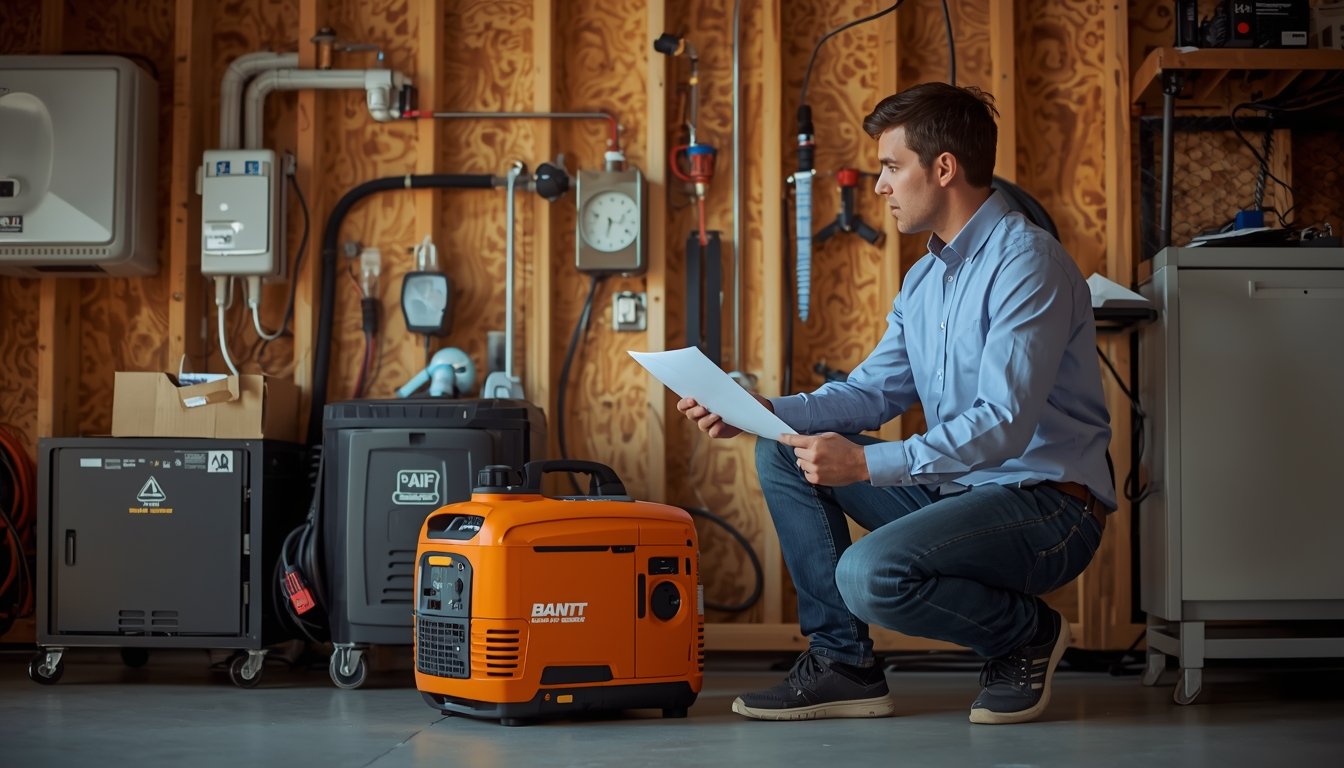
For anyone considering a backup power solution at home, one early crossroads is whether to install a generator yourself or call in a professional. The right answer depends on your comfort with electrical work, safety priorities, and legal requirements. If you want simplicity and peace of mind, professional installation is usually safest—but a DIY approach appeals if you’re hands-on and want to save money. It’s important to weigh the complexity, safety, local codes, and your own confidence before making the final choice.
Why It Matters
The way you install a generator impacts the reliability and safety of your whole backup power system. Mistakes during DIY installation can lead to electrical hazards or even void warranties. On the other hand, hiring a professional raises installation costs, but often results in higher-quality work and fewer long-term worries.
Local permit rules and homeowner insurance may also dictate which path you can legally or safely take. Even for smaller portable generators, connecting to home circuits brings risks that shouldn’t be ignored. For standby or whole-house systems, professional installation is the norm due to the complexity and potential code issues.
Most Important Features to Prioritise
Whether you install the generator yourself or use a pro, certain features fundamentally affect the function, cost, and day-to-day safety of your system. Prioritising these points helps ensure your backup power will work as expected during an outage.
- Electrical Load Management: Knowing what you want to power determines generator size and the need for an automatic transfer switch.
- Safety Switches: Transfer switches or interlocks prevent dangerous backfeeding and are sometimes legally required.
- Compliance with Local Codes: Permits, inspections, and utility company rules can decide the type of installation allowed in your area.
- Fuel Source & Storage: Reliable fuel access (natural gas, propane, or diesel) drives both convenience and operational costs.
- Weatherproofing and Placement: Proper location, away from windows and within the right clearance, enhances safety and system longevity.
Once you’ve identified key priorities like transfer switches and fuel type, the decision between DIY and professional hinges on your ability to handle these safely and in line with code. Missing an essential feature often creates more risk than reward. Always compare the time, skill, and additional purchasing needed if you pursue the DIY option, including potential upgrades and future maintenance requirements.
Features That Matter Less for Most People
Some aspects of generator installation are often given too much weight in the research phase, yet usually don’t impact real-world reliability or efficiency for most households. While these can play a role in specific scenarios, they rarely determine whether a system will meet your basic backup needs.
For example, wireless monitoring, fancy exterior finishes, or status lighting generally have more to do with convenience than with achieving the core goal of safe, reliable backup power. The same is true for higher-capacity wiring or oversized enclosures if your home’s energy needs are modest.
Instead of prioritising minor features, it’s more practical to focus on getting the installation right, ensuring the transfer switch and fuel connections are robust, and meeting legal and safety standards. Sophisticated add-ons can often be retrofitted later, but a flawed base installation is much harder to fix. Especially for first-time buyers, it’s easy to overlook how rarely these lesser features make a meaningful difference in home backup reliability.
How to Match Features to Your Situation
Choosing between DIY and professional installation starts with honest reflection about your home, skillset, and priorities. Consider the scope of work, local laws, and the type of generator you have in mind before making a decision. Here are factors to help align your choice with your actual needs:
- If your generator will power critical loads only and doesn’t require hardwiring, DIY may be feasible—especially with detailed guides and simple transfer switches.
- For whole-house or permanently installed generators, most homeowners are better off hiring a professional due to permit, code, and fuel routing complexity.
- Urban areas or neighborhoods with strict codes almost always require licensed professionals for legal and insurance reasons.
- If your electrical panel is outdated, upgrading may be necessary—this typically calls for a pro.
If you’re unsure about cost or whether your situation justifies hiring an expert, learning more about installation expenses can clarify next steps. Reading resources like How Much Does Home Backup Generator Installation Cost? is a smart way to set realistic expectations. Ultimately, balancing your technical skills against system complexity and local regulations often reveals the safer, more economical route for your household.
Final Thoughts
Deciding between DIY and professional generator installation boils down to risk tolerance, technical ability, and respect for local rules. Prioritise essential safety and reliability features, and weigh the value of a worry-free, code-compliant setup against potential savings from self-installation. In every case, preparation and research help ensure your investment acts as true backup when you need it, not as a new liability. Take time to reflect on your needs, home situation, and comfort with electrical work before making your decision.