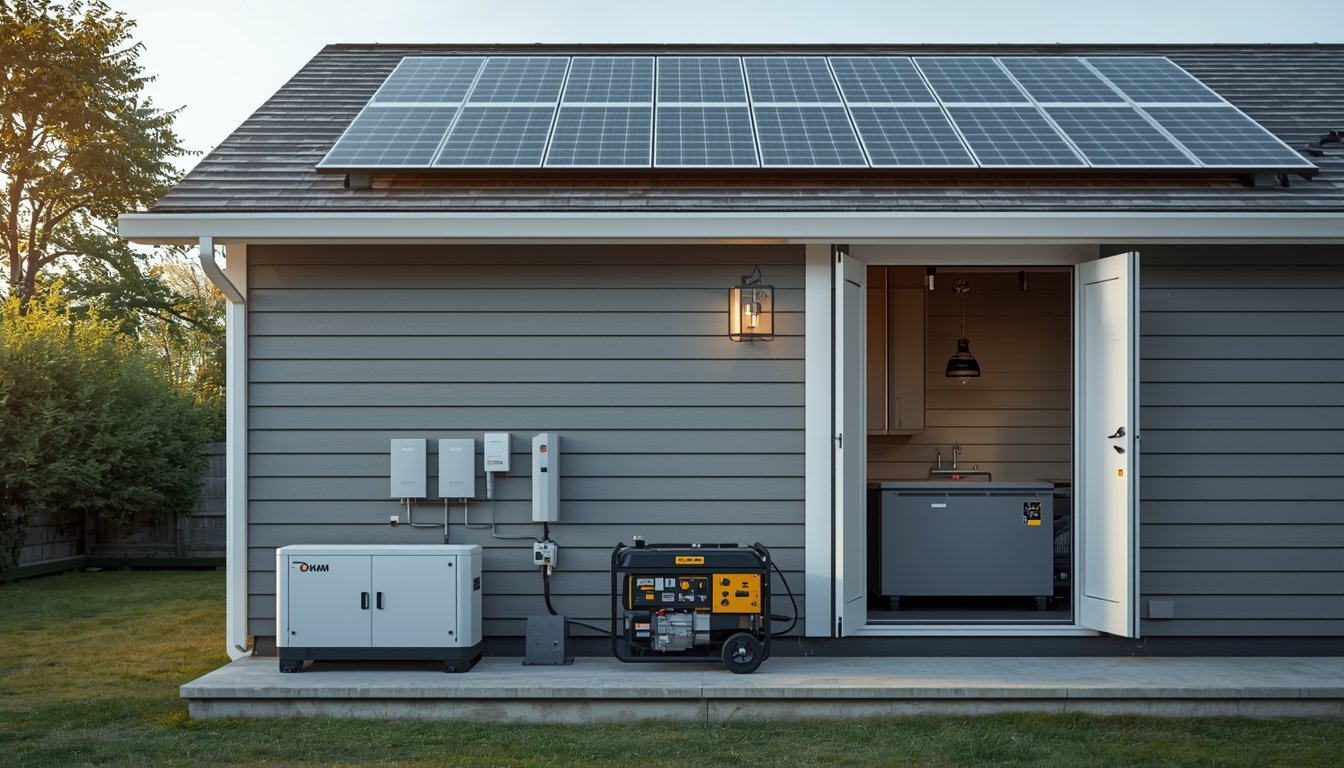
When having a standby generator installed, expect several coordinated steps including site assessment, permits, utility setup, and testing. The process often takes several days and requires both electrical and gas work. Most installations follow a predictable timeline, so you’ll know what’s happening and when.
Preparation and Site Assessment
Installers begin by evaluating your property to determine the optimal generator location. This ensures safe distances from windows, vents, and property lines according to local codes. During this visit, they’ll also assess gas and electrical connections, which are essential for efficient operation.
The site assessment helps identify potential obstacles, such as trees or utility lines, that could impact installation. In some cases, small landscaping adjustments may be necessary to create a clear and level area for the generator and its base.
After determining the location, the installer will review the generator’s needed capacity and verify access to your home’s main electrical panel and gas meter. If any additional work, such as an upgraded meter or new wiring, is required, those details are set during this phase.
Once everything is reviewed, the installer provides a timeline and discusses any prep work you should handle, like clearing debris. This stage ends when you approve the placement and plan.
Installation Day: What Happens Step-by-Step
On installation day, technicians start by placing the generator on its concrete or composite pad. Next, they connect it to your electrical panel and gas supply. This often requires coordination between licensed electricians and plumbers.
Your home’s power will need to be shut off for a short period during connection to the transfer switch. This device automatically switches your power source between utility and generator power during outages. After the electrical work, the gas line is routed and pressure-tested to ensure it’s leak-free.
The generator is then inspected for correct installation and local permit compliance. Once approved, technicians perform a startup test. This involves letting the generator run under load to ensure it operates safely and can power critical circuits.
- Placement of generator and pad
- Electrical and gas connections
- Testing and inspection
- Connecting automatic transfer switch
These steps ensure safe operation and compliance. Throughout, installers may provide updates and answer your questions. The process is generally completed in one to two days, depending on complexity and weather.
Final Inspection, Training, and Maintenance Tips
After installation and initial testing, an inspector—typically from your local building department—will conduct a final review. Once approved, installers walk you through generator operation, safety features, and what to do if maintenance is needed. You’ll learn how the automatic transfer switch functions and how to monitor the system.
Installers will also go over periodic maintenance tasks, such as checking oil levels and running the unit monthly. They’ll leave behind manuals and clear instructions to help you stay comfortable with your new backup power solution. It’s a good time to ask any lingering questions or clarify operational scenarios.
If you’re curious about costs, see How Much Does Home Backup Generator Installation Cost? for detailed pricing breakdowns. Finally, most reputable installers offer a maintenance plan for ongoing support, simplifying long-term care of your standby generator system.