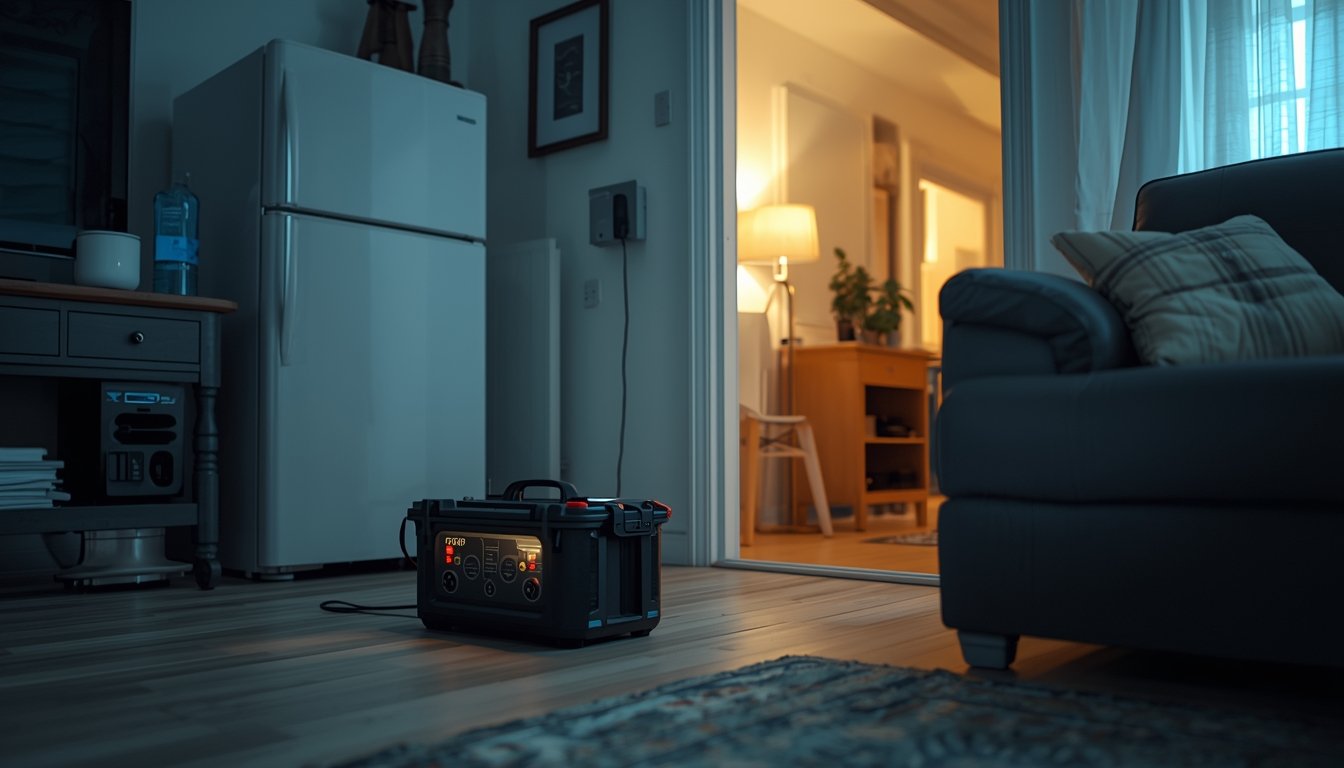
Extreme weather can cause unexpected and extended power outages, making a dependable backup power system crucial for any home. Choosing the right backup power solution ensures your essential appliances and devices continue operating when the grid goes down. For homeowners preparing for severe storms or temperature shifts, understanding and investing in reliable backup power is not just a convenience—it’s a necessity for safety and peace of mind. Visit the Home Backup Power Systems Guide for a detailed overview of your options and planning tips before an emergency happens.
Why Extreme Weather Poses Unique Power Challenges
Severe weather events like hurricanes, blizzards, and wildfires put enormous stress on the power grid. Wind, lightning, ice, and fallen trees can damage power lines and substations, often triggering blackouts that may last for hours or even days. The unpredictability and intensity of these events make power loss more than just an inconvenience; it impacts health, communications, food safety, and home security.
During extreme cold, heating systems are frequently essential for survival. Conversely, sweltering heat can make air conditioning or ventilation systems a necessity, particularly for vulnerable residents. For many, sump pumps, medical equipment, and refrigerators must remain operational regardless of external conditions. Backup power becomes a lifeline rather than a luxury.
Traditional grid infrastructure is rarely designed to withstand back-to-back weather extremes. Longer and more frequent outages are now a reality in many regions. Recognizing these risks helps homeowners prepare with systems sized and designed for worst-case scenarios, not just mild interruptions. Knowing exactly how your area’s weather may impact power delivery is the first step in making an informed backup power decision.
Main Types of Home Backup Power Systems
Residential backup power comes in several forms, each with its own benefits. Portable generators are often the entry point for emergency power. These devices use gasoline, propane, or diesel and can run a few key appliances, but require manual setup and regular refueling. They’re best suited for short outages or small homes.
Standby generators are permanently installed outside the home and connect directly to your electrical system. Powered by natural gas or propane, they can activate automatically within seconds of a power loss and run for days. Standby units can support the entire house or just select circuits, depending on size and budget.
Battery backup systems, often paired with solar panels, are gaining popularity. These systems store energy ahead of time and provide silent, instant power when the grid fails. They require no fuel but may be limited by storage capacity. Homeowners often combine batteries with solar to increase resilience and reduce reliance on fossil fuels.
The best solution often combines more than one system. For example, a battery can provide immediate, silent backup, while a standby generator maintains power during prolonged outages. Careful evaluation of local risks, household needs, and budget guides your selection process.
Essential Features for Weather-Ready Systems
- Automatic transfer switch (ATS) for seamless operation
- Weatherproof installation and durable enclosures
- Remote monitoring and control options
A backup power system designed for extreme weather needs to work quickly and reliably. An automatic transfer switch (ATS) is critical because it detects power loss and activates your generator or battery instantly, sparing you from manual intervention. This is especially valuable if an outage occurs in the middle of the night or while you’re away from home.
Weatherproofing is non-negotiable for installed units. Look for systems with robust enclosures that protect against snow, rain, wind, and debris. Corrosion-resistant components and certified ratings for weather exposure extend your system’s lifespan and reliability. The right installation location—like above flood zones or away from prevailing winds—further improves resilience.
Remote monitoring enables you to check status, fuel levels, and battery charge without opening the unit or stepping outside during a storm. Many modern systems connect to smartphone apps or offer text/email alerts. This visibility means you can troubleshoot or notify service providers quickly, reducing downtime. When evaluating possible systems, prioritize those built specifically for harsh climates with user-friendly control features.
Maintenance Tips for Reliable Operation
Ongoing maintenance is essential to ensure your backup system performs when needed. Neglected generators or batteries can fail at the worst moment, turning a manageable outage into a real emergency. First, follow the manufacturer’s recommended schedule for testing and servicing your unit. Most generators, for example, require monthly or bi-monthly test runs to confirm functionality.
Fuel storage and rotation are also critical, especially for gasoline or diesel-powered generators. Use stabilizers and keep fuel in approved, safe containers. Always replenish supplies after any major weather event, since outages can come in clusters. For propane or natural gas, check for leaks and ensure supply lines are free of obstructions.
Batteries should be kept charged and clean. Test capacity once or twice a year and replace batteries as recommended by the manufacturer. Dust, pests, and moisture are enemies of electrical systems; inspect weather seals and clear surrounding debris regularly. Document your maintenance processes so nothing is forgotten, even during the stress of approaching storms.
What to Power During a Major Outage
- Essential medical devices and prescription refrigerators
- Heating or cooling systems suitable for your climate
- Key appliances: sump pump, lights, communication devices
When the grid fails, prioritize devices that protect life, health, and property. If anyone relies on powered health equipment or refrigerated medication, these must be your first protection targets. Next, consider the weather’s impact—backup heat during a blizzard or air conditioning in an extreme heat wave is vital for safety and comfort.
Other essential circuits often include refrigerators, freezers, sump pumps (where flooding is a risk), and basic lighting. Keep the ability to charge phones or radios so you can receive emergency updates and maintain contact with local authorities. Noncritical items, such as entertainment electronics or luxury appliances, are typically disconnected to conserve backup capacity. Plan your systems around what matters most using a detailed list matched to your household’s specific needs.
Planning for the Future: Adapting to Climate Change
With extreme weather events on the rise, long-term resilience means more than solving today’s outage. Climate change brings increased risks of power grid disruption, and the systems you choose should be ready to adapt over time. Consider flexible, scalable backup setups: modular battery banks, standby generators with extended runtimes, or integrated solar and storage solutions that can grow with your needs.
Consult local experts who understand your area’s vulnerabilities and the best strategies to address them. Take advantage of new technologies, like load management software and real-time weather integration, to optimize energy use during emergencies. Building codes and utility incentives are also evolving to encourage backup power preparedness—so check for rebates or requirements as you plan upgrades.
Investing in backup power is both a financial and a quality-of-life decision. As storms become more intense and outages more frequent, proactive planning equips you to stay comfortable, connected, and secure under any conditions. Start by assessing your current setup and imagining the worst-case scenario. This mindset ensures you aren’t just reacting but building lasting home resilience for years to come.