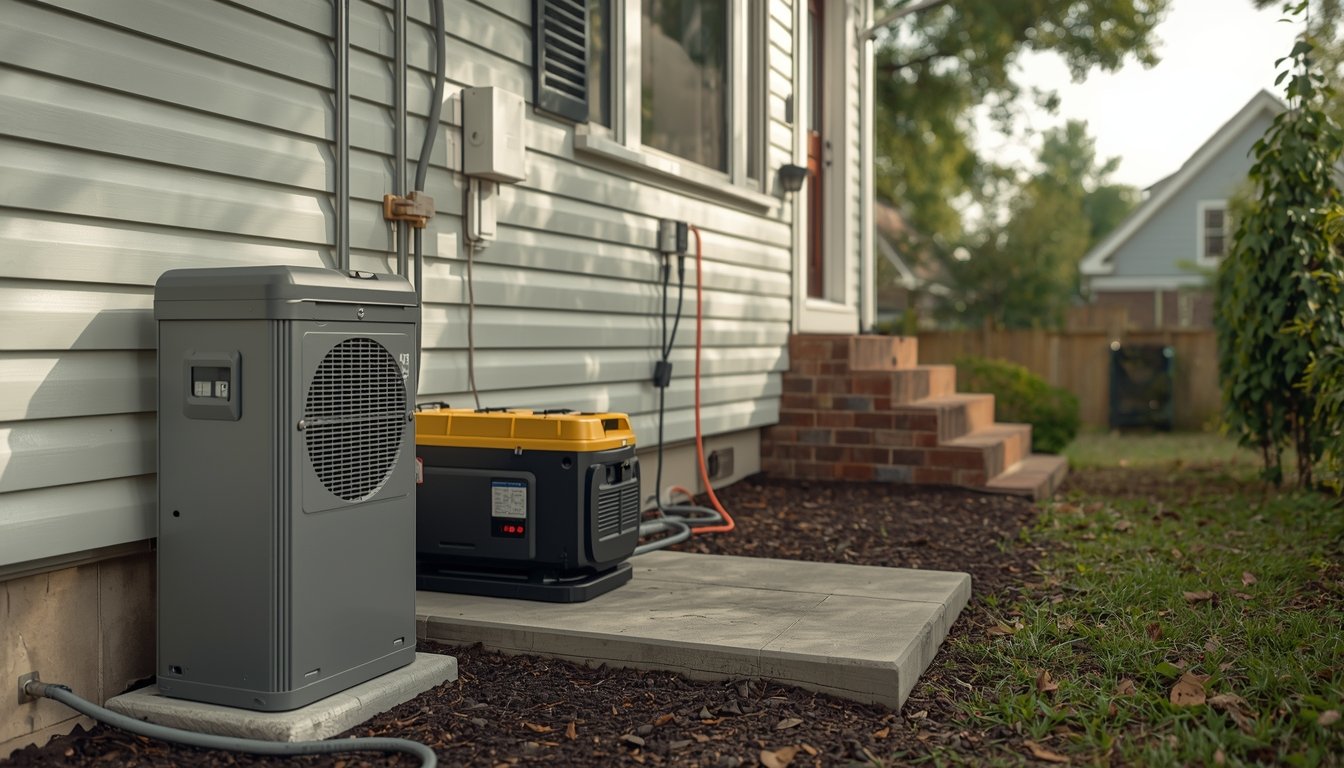
Preparing for hurricane season means more than stocking up on supplies—it’s about making sure you can keep essentials running when the power goes out. Having a backup power solution can help protect your home, comfort, and safety. The most important step is understanding which backup system features matter most for hurricanes, so you can make an informed buying decision.
Why It Matters
During hurricanes, utility outages can last for days or even weeks. This puts food storage, communication devices, and home safety systems at risk. A reliable backup power system maintains critical functions like refrigeration, lighting, and phone charging until the grid is restored.
Choosing wisely now minimizes uncertainty later. The right system keeps you operational, while the wrong choice could leave gaps when you need it most. Planning ahead also gives you time to address installation, fuel storage, or maintenance questions well before a storm arrives.
Most Important Features to Prioritise
When preparing for hurricane-related outages, certain features have a direct impact on reliability and safety. It helps to focus on the elements that are proven to matter during severe weather conditions.
- Power Capacity: Make sure your system can handle at least the basic loads—fridge, lights, and medical devices if needed. Too little capacity means tough decisions about what to run.
- Weather Resistance: Systems and components should be rated for outdoor use. Weatherproof enclosures and connectors add critical protection during driving rain and wind.
- Fuel Storage & Autonomy: For fuel-powered units, easy fuel storage and longer runtime are key. For battery systems, check backup duration and recharge options.
- Automatic Start/Transfer: Automatic systems sense outages and restore power without your intervention, which is invaluable if you evacuate or can’t reach your power system.
Prioritising these features helps ensure your backup power solution actually works when it’s most needed. Additionally, consider compatibility with your home’s existing wiring and appliances—especially if you plan to power sensitive electronics or dedicated circuits. Focusing your selection on weather-readiness, reliability, and autonomy gives you confidence that your system is prepared, not just present, when a hurricane hits.
Features That Matter Less for Most People
Many backup power systems come with advanced features or extras that may sound appealing but aren’t essential during a hurricane scenario. It’s easy to get distracted by bonus functions, but focusing your budget and attention on the core essentials usually brings better results.
Features like remote app controls, expandable solar integrations, or ultra-quiet operation often matter less when the fundamental need is to keep a few key circuits powered consistently. While these options could be helpful in some settings, they don’t have a meaningful impact on storm readiness for most households.
If you’re considering a more advanced system, first confirm your essential needs are covered—enough power for several days, weather durability, and dependable startup. Secondary benefits such as extra USB ports or sleek design features are not likely to make a real difference during hurricane conditions.
How to Match Features to Your Situation
Your backup power priorities depend on your home setup, local risks, and personal comfort level. Start by mapping out what you truly need to power in an extended outage—this helps size your system appropriately before considering extra features.
If you live in a multi-story home or have medical equipment, automatic transfer and longer runtime become more significant. Smaller homes or those in areas with rare outages can often get by with a basic, manual-start system if carefully sized.
Storage and fuel type also play a major role. If evacuations are common, a portable system may be easier to secure or take with you. Permanent standby systems provide the highest reliability if you stay put. Thinking through how hurricanes have affected your neighborhood in the past can help prioritize battery versus fuel, portability, and installation type. For deeper planning insights and considerations that apply to extreme conditions, see our guide on Backup Power for Extreme Weather.
Final Thoughts
Choosing a backup power system for hurricane season requires practical evaluation, not just looking at lists of features. Focus first on what keeps your critical appliances and safety equipment running for several days. Prioritise systems built for harsh weather and that match your home’s reality—capacity, fuel storage, and reliability matter far more than extras during an emergency.
By following a hurricane preparation checklist and understanding which system features make a genuine difference, you’ll invest in solutions that work for your specific risks and needs. The best time to prepare is before a storm threatens, giving you time to install, test, and have confidence in your home’s backup power.