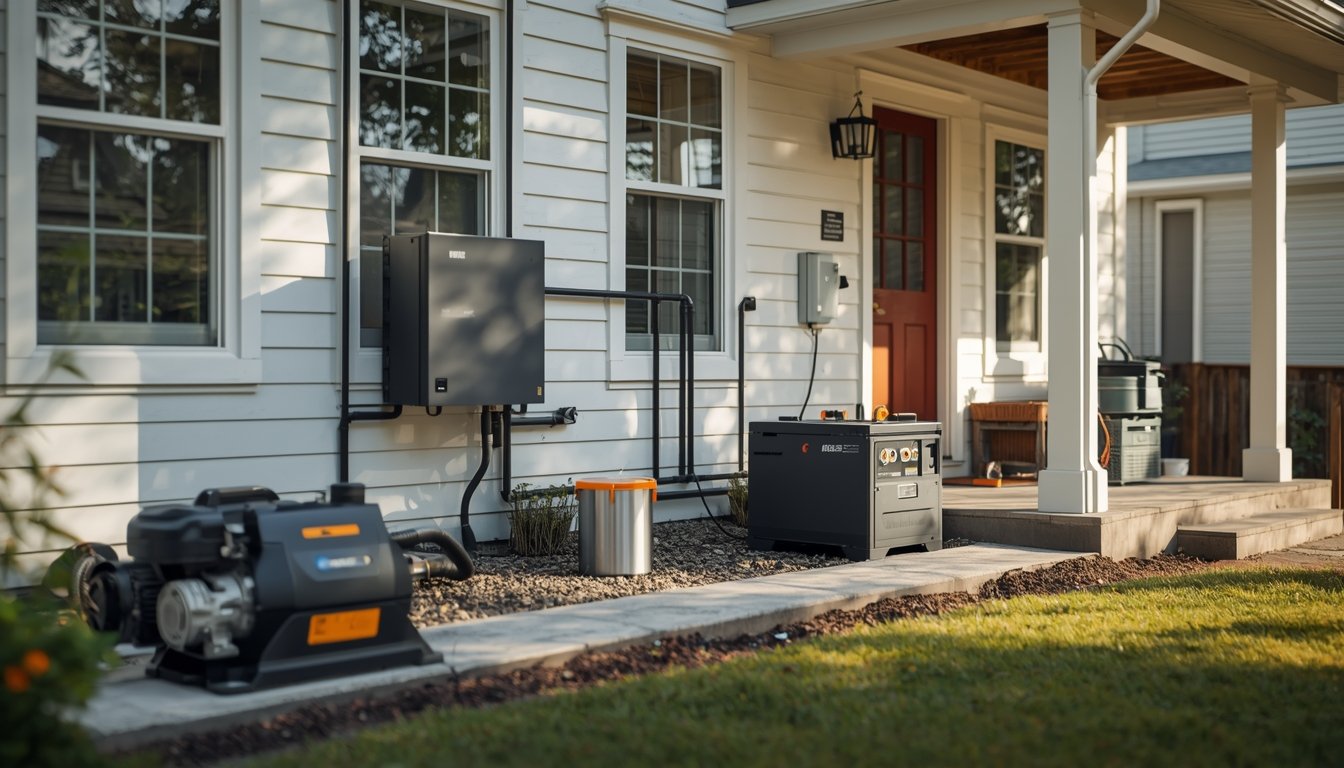
Keeping well pumps and sump pumps running during a power outage is essential to protect your water supply and prevent flooding. Choosing backup power for these systems requires focusing on a few practical details. In most homes, the right backup setup will depend on the power needs of your pump, how frequently outages occur, and how long you need the support to last.
Why It Matters
When the power goes out, well pumps stop delivering fresh water, and sump pumps can no longer keep basements dry. This can quickly lead to inconvenient or even hazardous situations. Homes relying on well water can be left without running taps, toilets, or showers. If your home depends on a sump pump, even a brief interruption can leave you at risk of costly water damage.
Proper backup power ensures these critical systems stay operational, safeguarding your household’s basic needs and protecting your property. For many, the consequences of not planning ahead outweigh the investment in a backup power solution.
Most Important Features to Prioritise
There are a few key features and considerations that matter most when selecting backup power specifically for well pumps and sump pumps. Understanding these factors will help you narrow down the right options without overbuying or missing critical capabilities:
- Wattage/Starting Surge: Both well and sump pumps require a surge of power to start, often two to three times their running wattage.
- Automatic Startup: Automatic transfer switches or auto-start features restart pumps without manual intervention during an outage.
- Run Time: The backup power source must provide electricity long enough to outlast typical outages in your area.
- Weather Resistance: If your backup system is located outdoors, it should withstand rain, snow, and harsh conditions.
- Fuel or Energy Source: Availability of fuel (like gasoline, propane, or diesel for generators) or stored battery power (for battery backups) affects readiness and maintenance.
Choosing the right backup unit involves balancing these features based on your budget, home setup, and typical weather risks. Prioritise capacity and reliability over added features that may not directly improve pump performance during an emergency. Ensuring the backup can handle the initial power surge is especially important, as undersized systems often fail to start pumps when needed most.
Features That Matter Less for Most People
Some features frequently marketed for backup power may add cost or complexity without delivering meaningful benefits for most well and sump pump scenarios. Understanding which features are less critical can help simplify your buying process and keep costs in check.
Advanced connectivity (such as Wi-Fi monitoring), built-in outlets or USB ports, and ultra-quiet operation tend to be less important. While these extras can add convenience, they are less valuable for applications where keeping water moving is the only goal. Many of these functions do not contribute to the fundamental need for reliable, sufficient power delivery to the pump.
For most households, any budget allocated to comfort features is usually better spent on ensuring the backup’s capacity and startup reliability. Focus on power, protection, and run time, rather than extra controls or non-essential user interfaces.
How to Match Features to Your Situation
Matching a backup power source to your well or sump pump starts with understanding your home’s requirements and outage patterns. Each household has unique needs, so start with these steps to clarify your priorities.
- Check your pump’s running and starting wattage, either from the manual or the data plate.
- Consider how often and for how long your power typically goes out.
- Decide if you want the system to start automatically, or if manual setup during outages is acceptable.
- Factor in where the backup system will be placed for both safety and weather resistance.
- Think about how much ongoing maintenance (like refueling or battery replacement) you’re willing to handle.
Households with frequent, lengthy outages and essential water needs should prioritise longer run times and automatic transfer features. If outages are rare and brief, a smaller manual solution could be sufficient. Making these choices helps avoid both underpowered setups—leaving pumps without enough surge power—and overpriced systems that exceed your actual needs. For a broader comparison of capabilities beyond well and sump pump use, it may help to review the Best Home Backup Power Systems resource for detailed guidance on matching solutions to your entire home.
Final Thoughts
Powering a well pump or sump pump during an outage is more about reliability and right-sizing than extra features or accessories. Focus on the startup wattage requirements, realistic run time you need, and whether backup power needs to kick in automatically for peace of mind. Features like remote monitoring, entertainment-friendly outlets, or ultra-compact size aren’t usually worth the extra cost when your goal is basic water delivery or basement protection.
With a clear understanding of your pump’s requirements and the specific features that matter most, you’ll be better equipped to make an informed, cost-effective choice. This approach will help keep your home safe and dry, even when the grid goes down—without added complexity or overspending.