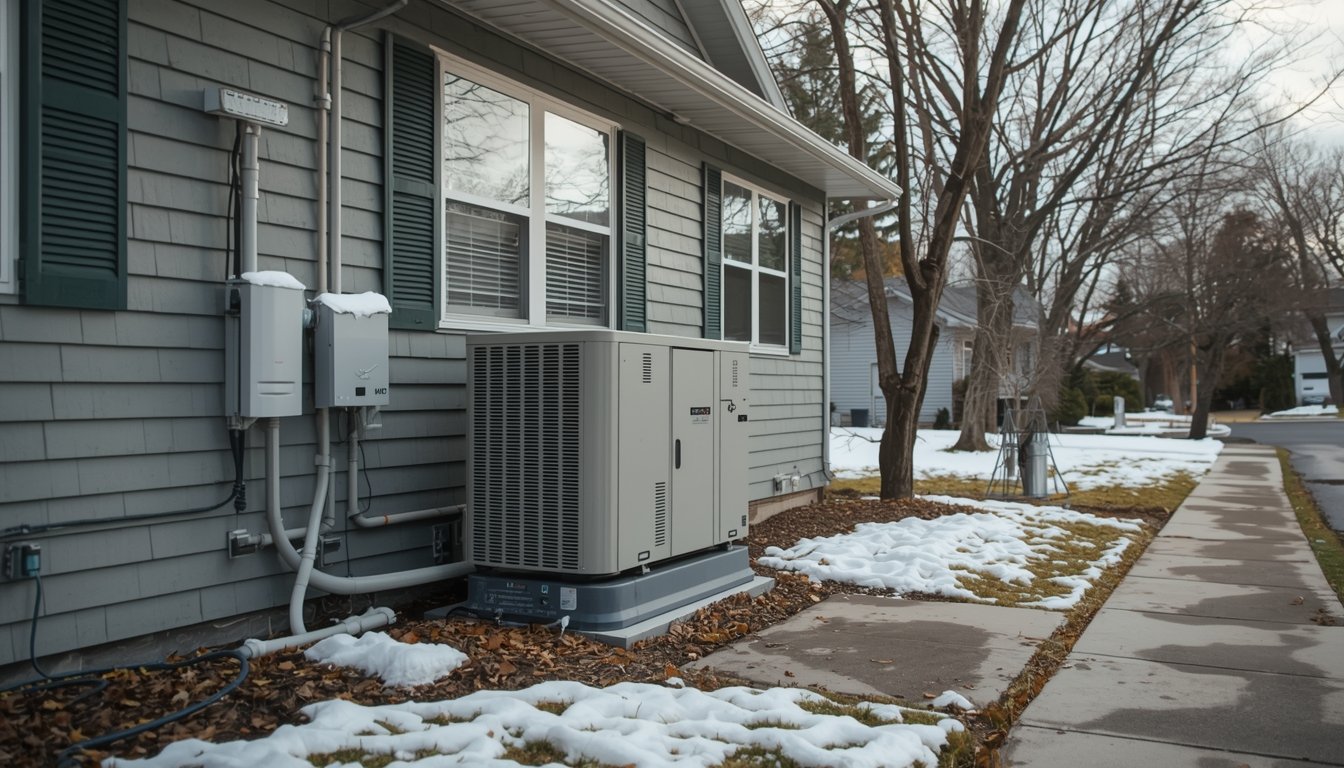
When winter storms hit and the power goes out, most homeowners want to know what truly matters to keep their home safe and comfortable. Deciding on a home backup power solution is about more than buying a generator or battery—it’s about understanding your real needs during an outage. The right preparation comes from knowing which features will actually help you and which are less critical, so you can make informed decisions before the next storm arrives.
Why It Matters
Power outages during winter storms aren’t just inconvenient—they can quickly lead to freezing temperatures inside your home, spoiled food, and the inability to use essential medical or safety equipment. For families living in colder regions, risk to health and property can be significant. Even short losses of electricity may result in frozen pipes or dangerous indoor temperatures.
The need for reliable backup power has grown as severe weather becomes more common and extended outages are reported nationwide. Understanding what matters when evaluating backup systems means you won’t waste resources on underpowered solutions or features that won’t truly help in a crisis. This practical insight helps protect your home, your family, and your budget.
Most Important Features to Prioritise
When choosing a backup power system for winter storm outages, it’s important to focus on core features that directly impact your comfort, safety, and ability to endure extended blackouts. This means prioritising what will keep you warm, safe, and connected, rather than being distracted by secondary details.
- Capacity to Power Critical Loads: A system that can run essential circuits—like heating, refrigerator, and communication devices—should be your starting point.
- Cold-weather Reliability: The backup system must operate dependably in sub-freezing temperatures, including automatic starting and battery performance.
- Run Time and Fuel Supply: The setup should provide power for at least several hours or ideally days, and you’ll want to know how easy it is to store and refuel energy sources during winter.
- Safety Features: Protection against carbon monoxide (for generators), overload, and electrical hazards is essential, especially when the risk factors go up during storms.
Focusing on these features ensures your backup power solution will cover the most common and dangerous effects of a winter blackout. It gives you peace of mind that you can prevent freezing pipes or compromised health, even if the rest of the neighborhood is in the dark. As you compare options, double-check that the setup you select reliably covers these aspects for your household size and climate conditions. This approach will help you filter out products or setups that only look impressive on paper but don’t truly solve your core outage challenges.
Features That Matter Less for Most People
While shopping for home backup power, you’ll notice certain features catch your eye—even if they aren’t critical for winter storms. It’s important to recognize which aspects tend to have little impact in real outage situations, so you don’t overpay or choose a system that encourages unnecessary complexity.
Extra connectivity options, such as smart home app integration, are often not essential unless you travel frequently and want remote status alerts. Similarly, ultra-quiet operation, while pleasant, can be less important when weighed against warmth and core function. Excessive power output (beyond critical household needs) increases costs and fuel requirements but won’t improve safety. Finally, specialty outlets, advanced display screens, or extra portability aren’t usually deciding factors for most people facing multi-day outages at home.
By focusing less on these “nice to have” features, you free up your budget to invest in more essential backup capacity or better fuel storage. This practical perspective keeps you centered on solutions that solve real-world problems during winter blackouts, rather than chasing features that rarely make a difference when the power is out for days.
How to Match Features to Your Situation
No two homes or families face exactly the same risks from winter storms, so personalizing your backup power decision is key. Start by making a list of the circuits or appliances you absolutely can’t be without—usually heat, refrigeration, and a way to charge devices. Assess the typical duration of outages in your area and the temperatures your home must withstand.
Consider details like how easy it will be to store or restock fuel in snowy conditions, and whether you want hands-off automatic operation or are comfortable manually setting things up during a storm. For those who travel often, remote monitoring could be a priority. In some regions, running a generator outdoors in deep snow can pose unique challenges, including accessibility and noise ordinances.
If you frequently experience extreme weather, it makes sense to look into resources that cover these issues in depth. For instance, the guide on Backup Power for Extreme Weather offers practical insights tailored to handling dangerously low temperatures, lengthy interruptions, and related hazards. Reviewing specialized guidance can help you avoid common pitfalls and ensure your system is a genuine safeguard rather than a false sense of security.
Final Thoughts
Making the right plan for winter storm power outages means cutting through marketing noise and focusing on what will truly help your household. Think through your essential needs: maintaining heat, preventing food loss, and ensuring health and safety. Prioritize capacity, reliability in cold, fuel supply, and safety features.
Don’t get sidetracked by advanced features that you’re unlikely to use during a real blackout. Instead, base your choices on how your own home and routine will interact with harsh weather and extended power loss. This approach will support not just “getting through” the next storm, but doing so with confidence and minimal stress.