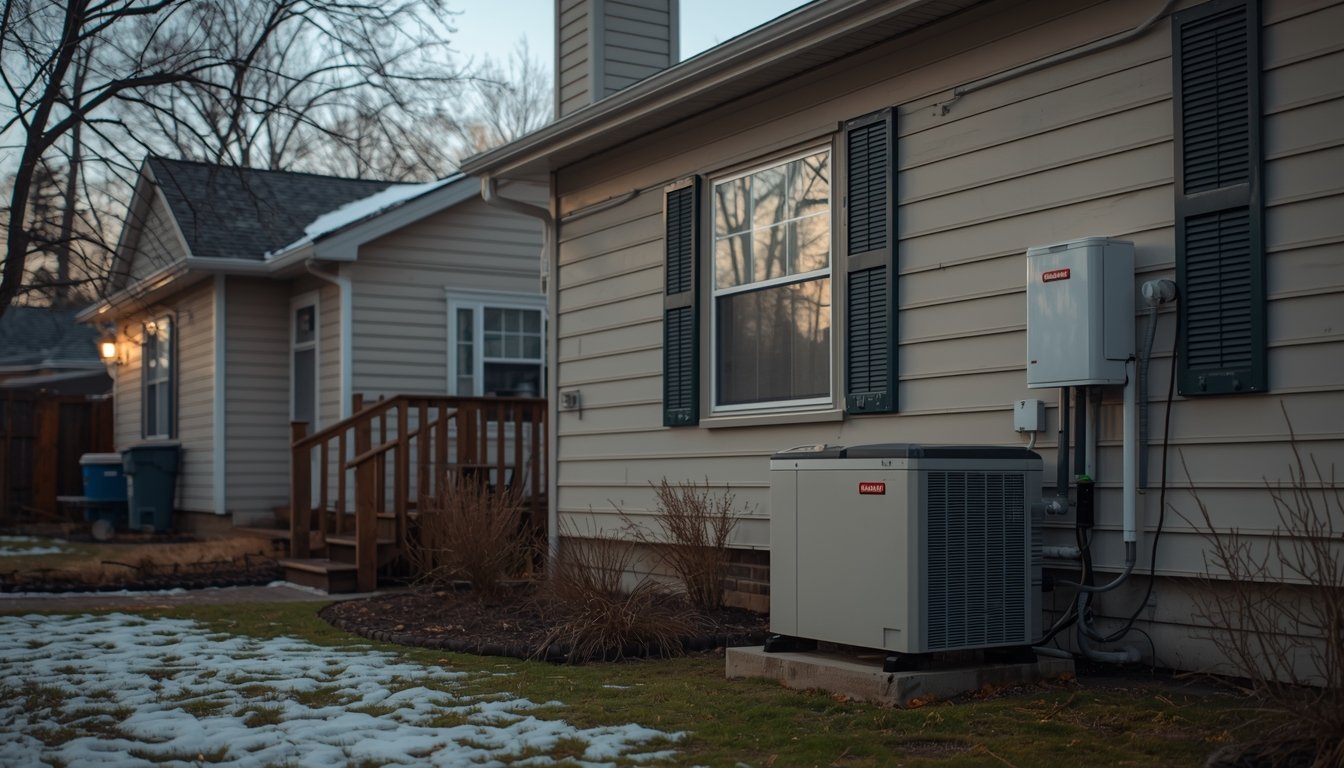
Planning for backup power during wildfire-related outages and Public Safety Power Shutoff (PSPS) events requires a specific approach. The main question for households in these areas is how to reliably power what matters most, sometimes for days, in conditions that limit refueling and outdoor generator use. Clear priorities—safety, runtime, and indoor-friendliness—drive many decisions. Before choosing any backup system, it’s important to weigh what will actually work when wildfire threats or utility-initiated shutoffs occur.
Why It Matters
Wildfire seasons are leading to more frequent and longer power shutoffs, especially in high-risk states. These outages don’t just mean inconvenience—they remove access to critical needs like refrigeration, well pumps, medical devices, lighting, and phone charging. During these emergencies, power restoration timelines are unpredictable and resources can be stretched thin.
PSPS events are different from standard weather outages, since utilities may preemptively turn off power for hours or days based on forecasted wind or fire risks. This means traditional assumptions about outage duration and generator reliability don’t always apply. Planning ahead is crucial, as both safety and logistics complicate the use of some backup options during active wildfire warnings and smoky conditions.
Most Important Features to Prioritise
When evaluating backup power solutions specifically for wildfire or PSPS outages, a few features stand out as essential. These considerations matter both for safety and for ensuring your backup solution actually works throughout an extended event:
- Long, hands-off runtime (24+ hours) without frequent refueling
- Indoor-safe operation with no risk of carbon monoxide poisoning
- Portability and easy setup for rapid deployment if needed
- No dependency on flammable fuels that could add fire risk
- Compatibility with your most important loads (fridge, Wi-Fi, medical, lighting)
These features help you keep crucial appliances and communication powered safely indoors, even if outdoor air is smoky or fire officials restrict generator use. Power solutions meeting these requirements are less likely to fail at the worst possible moment. If you or a loved one depend on electrically powered health devices or refrigerated medicine, prioritize long runtimes and indoor safety above all else. Products designed for quiet, indoor-safe operation also avoid drawing attention or causing disturbance for neighbors during stressful events. There’s no substitute for a backup system you can confidently use inside with the windows shut for several days without worry.
Features That Matter Less for Most People
Some features commonly highlighted in backup systems are less relevant for wildfire/PSPS planning. It’s easy to get distracted by these—they sound appealing but often don’t translate into practical benefits during actual events.
For most people in wildfire risk areas, factors like extreme peak wattage, Bluetooth/wifi-enabled control, or dual-fuel capability aren’t as critical as reliable, long-duration power. Large peak output is rarely needed unless you’re running power tools or heavy equipment. Most homes just need enough continuous power for essentials, not the ability to start big, power-hungry appliances all at once.
Similarly, Wi-Fi monitoring isn’t practical in a power outage that knocks out your router and broadband connection. And while multiple fuel options can add flexibility, wildfire events often make refueling challenging or even impossible. Instead, focus on systems that work well with the supplies you already have at home or can recharge via solar.
Choosing a backup system with fancy displays, app control, or high surge power isn’t a priority for safely riding out a shutoff. These extras are rarely used once real-world conditions hit. Instead, aim for simplicity, reliability, and proven indoor operation.
How to Match Features to Your Situation
Features should always be matched to your specific home, family needs, and the types of outages you are most likely to face. Start with a quick assessment of your home’s true backup needs—what absolutely needs to stay on? For many, it’s the refrigerator, a few lights, the phone charger, and perhaps a medical device. Larger homes or those on well water may require more. List your must-haves, and estimate their combined wattage and daily energy use.
Once you know your priorities, make sure the backup solution you’re considering covers your real runtime needs. Calculate how long you might be without power during a typical PSPS or wildfire event (often 24–72 hours or more). Consider how you will recharge or refuel if the outage stretches longer than expected—solar recharging can be a major asset in smoke-free conditions, but rely on options you can safely deploy even if outdoor air is hazardous.
Think about your home’s layout, too. Older homes with windowless rooms or all-electric kitchens may be more vulnerable. Those in especially high-risk zones may face longer utility delays or have restrictions on certain power options. If you’re new to the challenge, reading in-depth resources such as Backup Power for Extreme Weather can help you develop a detailed checklist and avoid common mistakes unique to disaster-prone areas. Talking to neighbors about what worked (and what failed) in previous shutdowns can also offer valuable, practical insight.
Final Thoughts
When wildfires or PSPS events threaten, having a backup power plan built around actual needs and local realities makes all the difference. The best solution is almost always the one you can use safely, indoors, and for as long as the situation demands. While it’s tempting to focus on bells and whistles, reliability and safe runtime come first.
Remember that no single solution works for every household. Matching features to your home, health requirements, and family priorities is key. With climate-driven outages increasing in both frequency and length, it pays to think through these events before the next red flag warning. None of us can stop utility shutoffs, but a thoughtful backup plan means you’ll stay safer, more comfortable, and better connected until normal power returns.