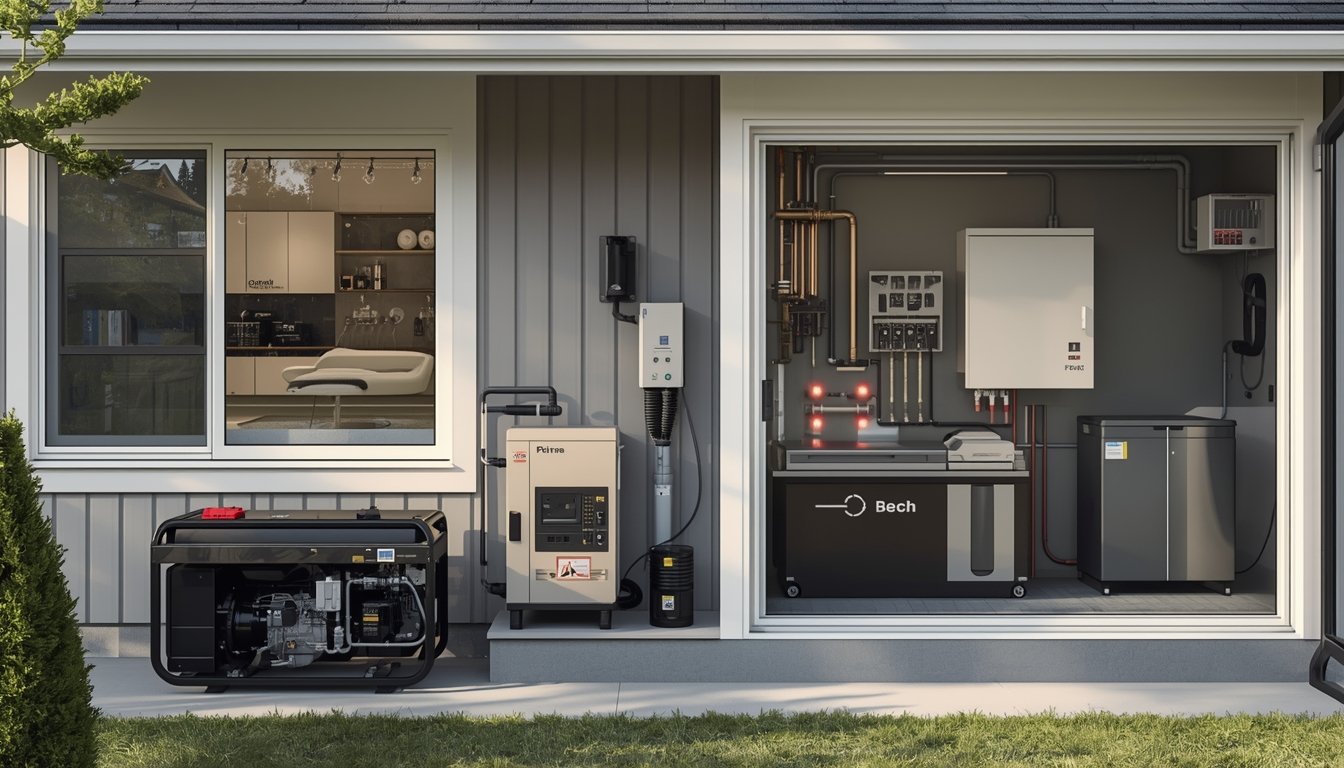
Solar battery backup systems provide electricity to homes when the grid is down, using stored solar energy instead of relying solely on utility power. These systems combine rooftop solar panels with a home battery, letting you keep essential appliances running during outages and reducing your dependence on the grid. For homeowners considering resilient power, understanding how a battery backup works—and what it offers compared to traditional generators—is crucial. Many are searching for the most effective and long-term solutions, which makes evaluating solar batteries alongside options listed in resources like Best Home Backup Power Systems a smart first step. Let’s break down how these systems function, what benefits they offer, and whether they are the right choice for your household needs.
How Solar Battery Backup Systems Work
Solar battery backup systems store excess electricity generated by your rooftop solar panels for later use. When your panels produce more energy than your home needs, the surplus power charges the battery. During the day, the panels supply both the home’s immediate energy demand and the battery. At night or when the grid fails, the system can automatically switch to battery power, keeping essential devices and circuits running.
Most modern battery systems come with smart inverters. These devices convert the stored DC electricity in the battery into usable AC power for your home. In case of a blackout, these inverters instantly shift your energy source from the grid to your battery, ensuring a seamless experience with no disruption to sensitive electronics or appliances.
Not all solar systems can deliver power during grid outages. Conventional grid-tied solar arrays will shut down for safety reasons unless they are paired with a battery backup. This is why pairing batteries with solar panels is increasingly popular among homeowners who want reliable, independent backup power that works whether or not the sun is shining or the utility grid is online.
Main Benefits of Solar Battery Backup
- Reliable power during outages
- Reduced reliance on utility companies
- Potential for long-term cost savings
With a solar battery backup, your home can keep running even when storms or grid failures leave your neighborhood in the dark. This reliability is highly valued by residents in areas with frequent outages. By storing your own solar-generated electricity, you become less dependent on utility companies and volatile electricity rates. This type of energy independence is especially important as prices and grid stress rise across the country.
In addition, storing energy enables you to use less grid electricity during peak-rate hours, which can cut your overall utility bill. Over the lifetime of your battery system, the savings and long-term efficiency can help offset the initial investment. The long-term financial and practical benefits—from cost savings to peace of mind—make solar battery backups an appealing choice for households considering an upgrade to their backup power solution.
Choosing the Right System for Your Home
Selecting the best solar battery backup system requires considering several critical factors. The size of your home and your typical energy consumption are key. Larger homes with higher daily electricity usage will likely need bigger battery banks or multiple units. Assess what appliances you need to keep running during a blackout, such as refrigerators, lights, medical devices, and heating or cooling equipment.
Battery chemistry also matters. Lithium-ion batteries are the most popular for home use due to their high efficiency, longer lifespan, and compact size. Other options like lead-acid batteries exist but tend to be bulkier and require more maintenance. It’s also vital to determine if you want full-house coverage or just backup for essential loads; this will impact the number and capacity of batteries you need.
Finally, review available warranties, installation support, and compatibility with your existing or planned solar panel system. Seeking professional advice from licensed installers ensures your chosen system is properly matched to your home’s requirements and that you get maximum performance and value from your investment.
Key Considerations Before Installation
- Compatibility with existing solar system
- Local utility policies and net metering
- Available incentives and rebates
Before purchasing a solar battery backup, confirm with your installer that the battery system is compatible with your current solar array. Not all inverters and solar equipment can easily integrate with batteries, especially if your solar was installed some years ago. Checking compatibility upfront can save future headaches or unexpected costs.
Also, explore your local utility’s policies on battery storage and net metering. Some utilities allow you to send excess stored energy back to the grid for credit, while others don’t. Understanding these rules helps maximize your system’s value. Furthermore, plenty of federal, state, and local financial incentives can lower the upfront cost of home battery storage. Research what rebates or tax credits are offered in your area, as these can significantly improve your payback timeline and affordability.
Pros and Cons Compared to Traditional Generators
When deciding between a solar battery backup and a traditional gas-powered generator, weigh the pros and cons of each method. Solar battery systems are quiet, have no emissions, and require little maintenance once installed. They operate automatically and seamlessly, without the need for fuel or regular restarts. In the case of long-term outages, batteries recharge as soon as the sun rises.
However, batteries have higher upfront costs compared to portable or standby generators. Their backup duration is limited—typically a few hours to a day—unless you install large or multiple batteries. Meanwhile, traditional generators offer reliable power for extended outages as long as you have enough fuel, but they are noisy, emit fumes, and require regular upkeep. The choice between the two comes down to priorities: sustainability, quiet operation, and low maintenance with batteries, versus potentially longer backup duration and lower upfront costs with generators.
Homeowners often blend both solutions or start with one and add the other later, providing layered resilience against the unexpected.
Installation and Maintenance Essentials
Proper installation is key for both safety and optimal system performance. Always use a certified installer with experience in home battery storage and solar integration. The process usually takes one to three days, depending on system complexity and whether upgrades to your electrical panel are needed. Installers will ensure your battery is connected safely, set up your system for seamless automatic switching, and configure monitoring apps that help you track energy use and storage in real time.
Maintenance for most lithium-based battery systems is minimal, often requiring only an annual checkup to ensure everything is running smoothly. Dusting vents, confirming system connections, and monitoring performance through your system’s app generally suffice. If your battery is installed indoors, ensure it is kept above freezing temperatures and protected from excess humidity.
Following your installer’s guidelines for care and monitoring will help you achieve the longest lifespan and most reliable performance from your backup system. Most major brands offer warranties that cover at least 10 years of service or a set number of charge cycles, providing peace of mind and ongoing reliability for your investment.