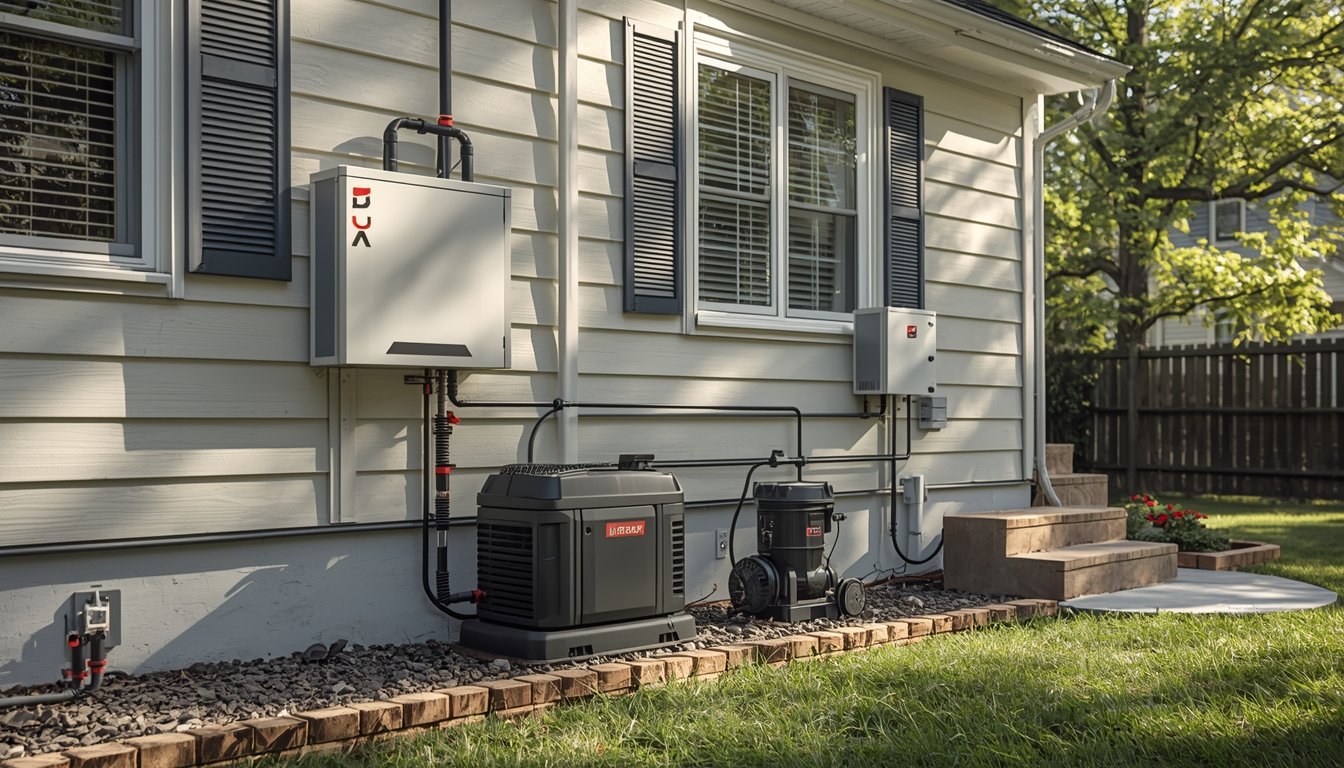
If you are considering a home battery storage system, it is important to know that federal tax credits and state rebates may significantly reduce your upfront costs. The main federal incentive—the Investment Tax Credit (ITC)—currently covers a percentage of the total installed cost of battery systems when paired with solar. Standalone home batteries may also qualify if they meet certain requirements. Understanding how these incentives work can help you plan your investment and avoid costly mistakes.
Why It Matters
Battery storage systems represent a substantial investment, but financial incentives can improve their payback value and affordability. Federal tax credits directly reduce your tax liability, making them more powerful than simple rebates or discounts. With energy prices and grid reliability top of mind for many households, finding ways to access these incentives is crucial for an informed buying decision.
The landscape of tax credits and rebates is also time-sensitive. Incentive levels can change or phase out, and specific requirements may shift from year to year. Staying up to date helps ensure you don’t miss out on valuable opportunities that could impact your return on investment.
Most Important Features to Prioritise
Not all home battery storage systems are eligible for federal tax credits or state rebates. Before committing to a purchase, focus on features and characteristics that most affect eligibility and long-term value:
- Eligibility for the ITC: Systems must generally be charged most of the time by solar to qualify for the federal Investment Tax Credit. As of 2023, some standalone batteries may also qualify.
- System capacity and size: Larger batteries yield higher tax credits, but the system must fit your actual backup power needs for optimal savings.
- Compliance with local codes: Your installation should meet building and electrical codes to qualify for most incentives.
- Installer certification: Reputable, certified installers increase the odds of seamless rebate and credit processing.
- Warranty coverage: Many state and utility rebates require a minimum warranty period for approval.
Making sure your planned system checks these boxes will help you maximise both up-front incentives and long-term performance. Factor in how these features relate to your unique household needs, not just the headline incentive amount. Balancing regulatory requirements with real-world function is key for a successful investment.
Features That Matter Less for Most People
Some features might look appealing on paper, but they have little or no effect on your eligibility for tax credits or on your real-world savings. It’s important not to over-prioritise these when considering incentives:
- Brand or model: Unless a rebate program specifies an approved list, the brand makes little difference for federal tax credits.
- App connectivity: Monitoring and smart features are handy, but do not impact incentive eligibility.
- Color or design aesthetics: Appearance rarely influences rebates or tax credits.
While these elements may influence your day-to-day experience, focusing on them too early can distract from more urgent decisions about compliance, sizing, and cost. Ensure that your financial and functional needs are met first—then use additional features as tie-breakers or personal preferences when comparing similar eligible systems.
How to Match Features to Your Situation
Choosing a battery storage system that aligns with your specific circumstances is crucial for making the most of federal and local incentives. Begin by evaluating your priorities: is your main goal backup power, reducing peak utility rates, or maximising financial incentives?
If backup reliability during outages is your top concern, select a battery with sufficient capacity and proven compatibility with your essential circuits. For those aiming to lower energy bills or participate in utility programs, ensure your system supports time-of-use rate management and qualifies for local incentives. Always check the latest federal ITC eligibility rules—especially for standalone battery systems, which are now sometimes included even without solar, as recent policy changes have expanded qualifying criteria.
Installation costs are another critical factor, and you’ll want a clear understanding of the total outlay before incentives are applied. The Solar Battery Backup System Cost and Payback Guide can help you estimate total costs and typical payback periods. By mapping features to your needs and checking current incentives in your state, you’ll avoid costly missteps and ensure a system that delivers long-term value.
Final Thoughts
Understanding how federal tax credits and state rebates work is essential to making an informed decision on home battery storage. Focusing on eligibility, installation quality, and system sizing ensures you can take full advantage of incentives while meeting your backup power goals.
Remember that incentive programs can evolve over time, so review requirements before purchasing. Planning ahead—by confirming eligibility, warranty, and compliance—will help you avoid disappointment and maximise your savings. If you use rebates as an added bonus rather than the sole motivator, your investment in backup power will be resilient no matter what the regulatory landscape brings in the years ahead.