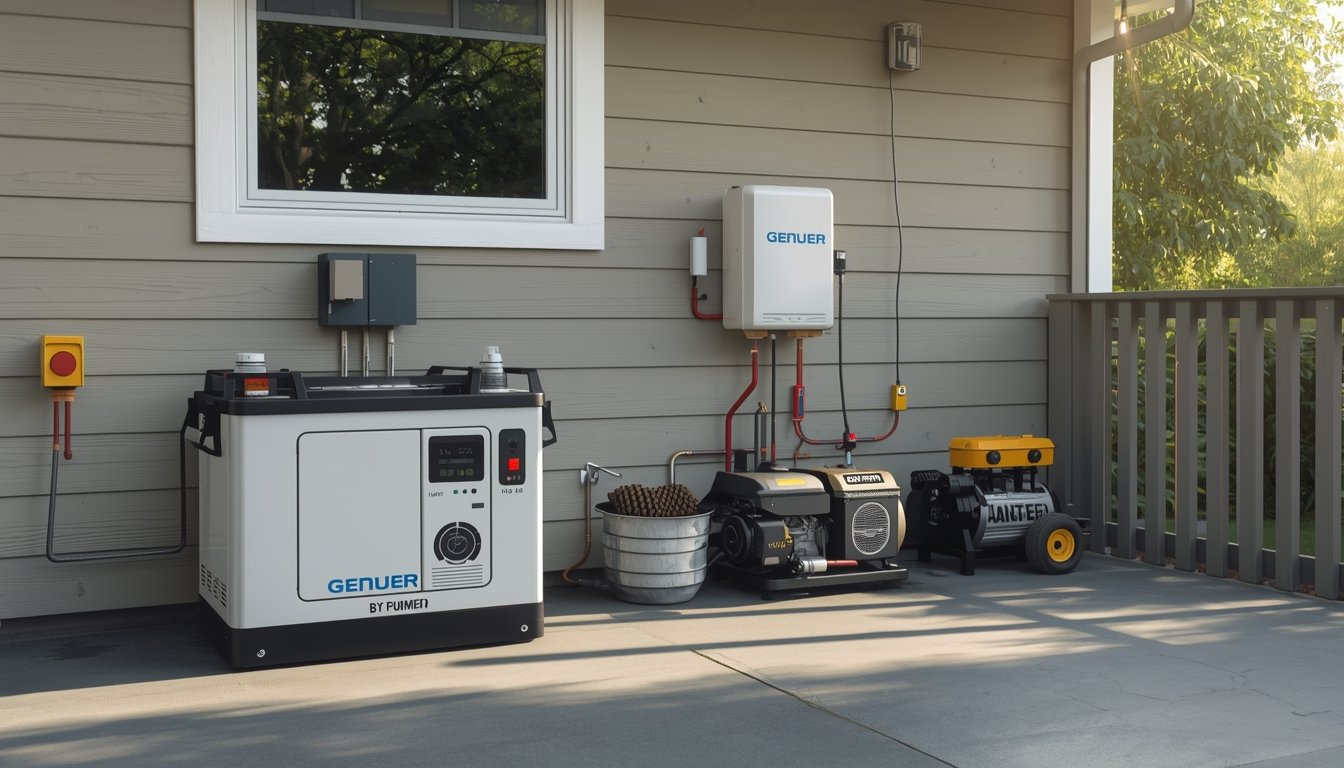
Choosing backup power for a small home comes down to knowing your needs and matching them to the right system. Most small homes can benefit from a solution that covers essentials like lighting, refrigeration, and basic electronics. Your goal is to balance reliability, affordability, and the amount of backup time you’ll actually use.
Why It Matters
Backup power protects your home from blackouts, but not every system is suitable for every living situation. Selecting the right one ensures you won’t overspend or end up without enough capacity when you need it most. If you choose poorly, you could be left with limited functionality or wasted investment during an outage.
In small homes, needs and constraints are often different compared to larger properties. Less square footage usually means lower power requirements, but limited space for storage and installation. Choosing wisely helps you get peace of mind without complications or unnecessary expense.
Most Important Features to Prioritise
While there are many options, focusing on core features helps narrow down what matters. Assessing your daily life and routines can guide your decision beyond just looking at technical specifications. Consider the following points before you buy:
- Capacity: The total wattage the backup system can supply and for how long.
- Compatibility: Whether the system can safely power your critical appliances and devices.
- Fuel or Source: Whether it uses batteries, solar, natural gas, propane, or gasoline.
- Ease of Use: Simplicity in setup, operation, and maintenance, especially when time is tight.
- Noise and Emissions: Particularly important for indoor use or close neighbors.
Knowing which features matter for your home helps cut through marketing claims. For instance, in a small dwelling, you probably don’t need large standby generators designed for multi-family houses, but you do want something that kicks in quickly and won’t be a hassle. Think about your most common outage scenarios—short disruptions, long-term storms, or frequent flickers—and pick features that align with that reality. Ease of storage and portability may also matter if you’re tight on space or anticipate moving the system.
Features That Matter Less for Most People
Not all features have a big impact for the average small home. Spending extra for advanced capabilities can end up as wasted budget if you don’t truly benefit from them. It’s useful to know which aspects are less of a priority so you can focus on value and practicality.
Extras like Wi-Fi connectivity or smart-home compatibility tend to be less critical for simple backup needs. Many people also overestimate the importance of ultra-long run times, when outages in their area rarely exceed a few hours. Premium exterior finishes, or units designed for commercial applications, usually aren’t necessary for basic residential backup either.
Focusing on needs rather than wants helps you avoid overbuying. Most everyday users will not rely on detailed analytics or remote control features during an outage, nor will they want to pay extra for features optimized for business continuity or luxury homes. Keep the focus on what will actually help you during the events you’re likely to face.
How to Match Features to Your Situation
The choice of backup power should always begin with your specific needs. Begin by listing which devices you absolutely need running when the power goes out. This exercise clarifies both the load requirements and runtime expectations, which informs the system size and type you should consider.
If you primarily want to keep your refrigerator, a few lights, and communication devices powered for several hours at a time, a smaller, portable backup system may suffice. On the other hand, if you work from home or rely on medical equipment, you may need a more robust solution despite your home’s size. It’s important to think beyond square footage and focus instead on usage patterns, the likelihood of extended outages, and your tolerance for inconvenience.
Budget also plays a role, but it’s best to prioritise reliability and suitability over simply picking the cheapest option. For more detailed criteria on narrowing your choices, see the Best Home Backup Power Systems guide for comparisons based on real-world use cases. This approach helps you avoid mismatches and ensures you won’t be left in the dark when it matters.
Final Thoughts
When choosing backup power for a small home, focus on essential loads, reliable operation, and simple installation. Avoid being swayed by extra features that don’t serve your core needs. Utilise your understanding of your home’s size, your living habits, and the common causes of outages in your area to guide your selection.
An informed decision not only saves money but helps avoid the frustration of being unprepared. You’ll gain confidence knowing your chosen backup system fits your space, covers your essentials, and won’t introduce new hassles. Revisiting your needs periodically also helps keep your solution effective as your household changes over time.