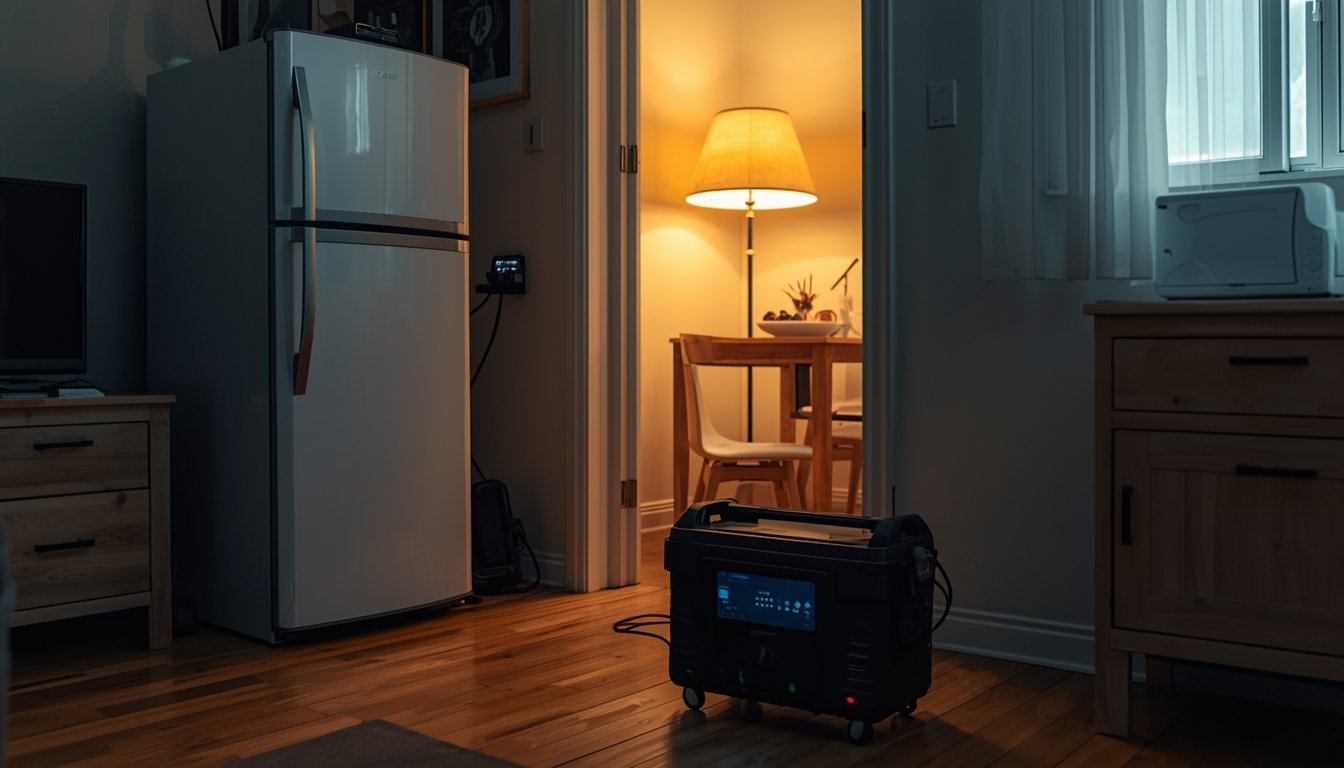
Apartment and condo dwellers do have viable backup power options, even with space and safety restrictions. The best solutions are compact, portable battery systems that are safe for indoor use during outages. These units supply enough power to keep essentials like phones, laptops, and some small appliances running, and modern models are quiet and emission-free. If you’re looking for apartment-safe recommendations, see our guide to the Best Indoor-Safe Backup Batteries for Renters.
Understanding Multi-Unit Power Limitations
Living in an apartment or condo introduces unique challenges when it comes to backup power. Residents usually face restrictions imposed by building management, such as prohibiting gas generators or modifying electrical infrastructure. Safety codes and fire regulations often mean you can’t keep flammable fuels indoors or place generators on balconies or shared walkways.
Additionally, most units have limited space. You rarely have a dedicated garage or utility room for large generators or battery modules. Plug-and-play solutions are crucial—any system that involves complex wiring, external venting, or fuel storage is generally not allowed. Building layouts can also mean shared circuits, further complicating permanent installations.
Noise is another concern. Traditional generators are loud and would quickly disturb neighbors in a dense building. Fines and complaints are likely if you break quiet hours or building policies. This makes battery-based solutions ideal, as they operate silently and don’t require venting exhaust gases. Renewable options like balcony solar offer promise but are still dependent on building and association rules. Understanding these limits is the first step in selecting the right backup solution for your living situation.
Types of Backup Power Systems Suitable for Apartments
Portable power stations and compact battery backup units are the top choices for apartment dwellers. These devices use lithium-ion batteries to provide power, and they are specifically designed for indoor use, making them both practical and safe. Most units feature standard AC outlets and USB ports, so you can easily recharge smartphones, tablets, laptops, and even small appliances like fans or CPAP machines.
Some models can supply enough energy to run a Wi-Fi router and a mini fridge for several hours. Their compact size means there’s no need for dedicated storage space. Recharging options include wall outlets, car chargers, and sometimes solar panels—which can be deployed on a balcony window for supplemental power.
Unlike fuel-based generators, these systems produce zero emissions and are virtually noiseless. This eliminates the risk of carbon monoxide poisoning and complaints from nearby tenants. Because most are plug-and-play, there’s no need for permanent installation or approvals from your landlord or HOA. For those needing extra capacity, modular battery banks that can be stacked or daisy-chained provide expanded options. Selecting the right type depends on your top priorities: weight, portability, or maximum runtime.
Key Features to Look for in Apartment Backup Batteries
- Indoor-safe design and emission-free operation
- Enough capacity to power essential devices
- Multiple charging and output options
When picking a backup power solution for your apartment, safety has to come first. Ensure the battery is certified for indoor use and produces no harmful gases. Capacity is also crucial. Look for units that can keep your key electronics—such as your phone, laptop, and router—running for several hours or more. Aim for a minimum of 300 to 500 watt-hours if you want to cover basic needs.
Versatility matters as well. Opt for batteries with a mix of AC outlets, USB-A, and USB-C ports, along with support for recharging from the wall, your car, or solar panels. This makes the system more adaptable during longer outages. Extra features like displays for battery percentage, easy-to-carry handles, and quick recharge options can make a big difference during emergencies. Evaluating these critical features will ensure you’re prepared for an outage—without compromising safety or convenience.
Noise, Safety, and Building Code Concerns
Backup power systems for apartments must meet strict safety and noise criteria. Gas generators are almost always off the table due to emissions and sound. In fact, running a fuel-powered generator inside or on a balcony can create serious health hazards and violate local laws. Even portable models labeled “quiet” are usually too loud for multi-unit buildings and may disturb neighbors.
Today’s portable battery stations solve almost all these issues. They operate silently, so you can use them at any time without drawing attention. Certified indoor-safe batteries are engineered with overheat and overcharge protections, reducing fire risks. Make sure you check for UL or equivalent safety certifications.
Building codes may restrict even certain battery types in high-rise complexes, so confirm allowed products with your property manager before buying. Never try to wire battery systems directly into your apartment’s electrical panel—this is a safety and liability issue. Instead, use plug-in connections only. Taking these small precautions ensures your solution complies with regulations and maintains peace with your neighbors.
What You Can (and Can’t) Power in an Apartment
- Phones, tablets, and laptops
- Wi-Fi routers, modem, and small fans
- Some mini-fridges and lights for short periods
Apartment backup batteries are designed for basic needs during an outage, not for powering the entire unit. You can easily keep your essential electronics running—charging your phone, working on a laptop, or maintaining internet access. Many battery stations can support devices like desk lamps or fans for several hours, making it easier to stay comfortable.
Larger appliances, such as kitchen refrigerators, microwaves, or air conditioners, require much more energy than most portable backup batteries can supply. Some higher-capacity power stations can run a mini-fridge for limited periods, but don’t expect apartment-safe batteries to meet full household demands. Always check the peak and continuous wattage before plugging in any device. Prioritizing small, low-draw electronics ensures you get the most runtime from your battery and avoid tripping built-in safety cutoffs. Planning your usage helps maximize your backup solution’s effectiveness during an outage.
Cost, Maintenance, and Getting the Most From Your Investment
Entry-level indoor-safe backup batteries start at around $200, with advanced models ranging from $500 to well over $1000 depending on capacity and features. Think about what you truly need to power. The right balance ensures you’re not overpaying for capacity you won’t use, nor underprepared during an emergency. Frequent short outages may only require a mid-sized unit, while those in areas with longer outages might want extra battery modules.
Maintenance is minimal for portable battery units. Just recharge every 3–6 months and store the system in a cool, dry place. If your model supports solar recharging, test your setup periodically. Read the owner’s manual and follow recommended care to extend battery life for years. Investing in the right system brings peace of mind without adding clutter or safety risk to your apartment. When comparing options, prioritize reliability and user reviews in addition to cost. A thoughtful purchase lets you stay connected and comfortable, even in unexpected power cuts.