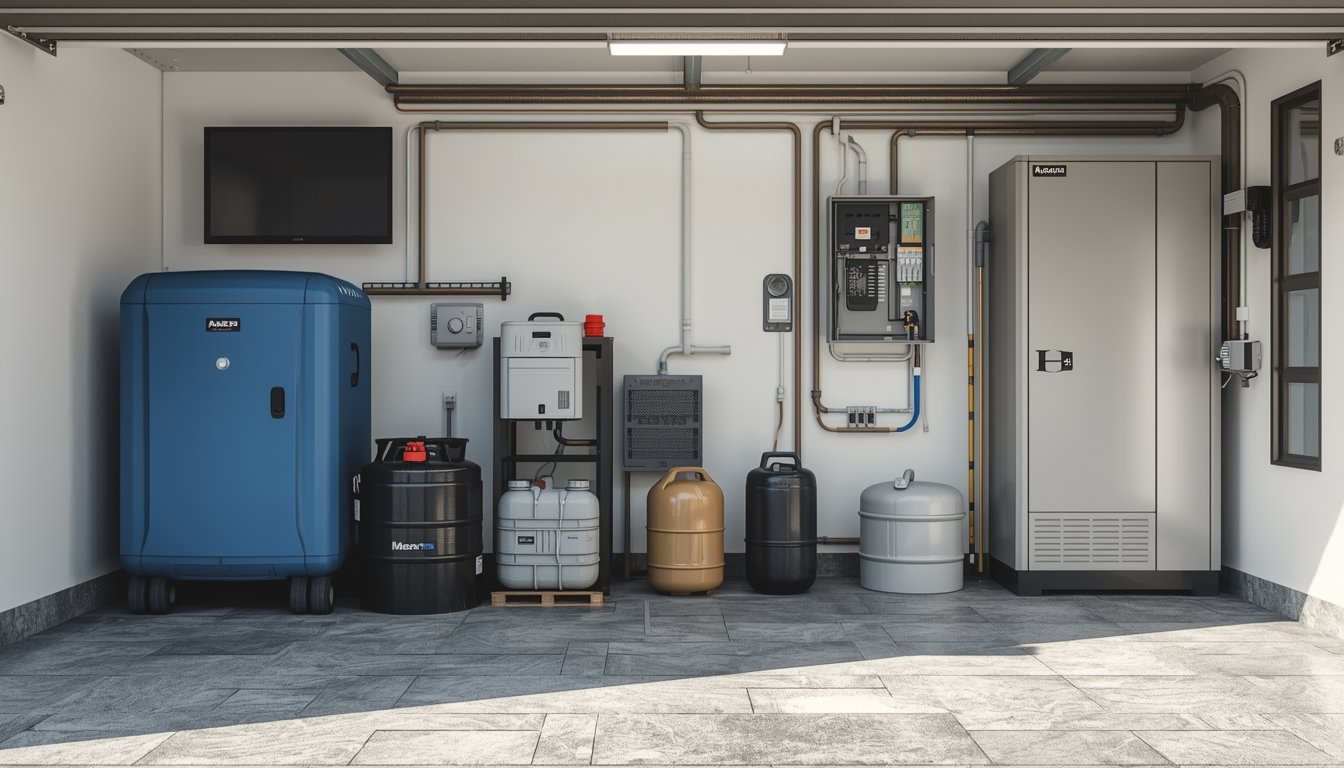
Yes, indoor backup batteries are generally safe when installed and used correctly. Most modern units are built with multiple safety mechanisms and are specifically designed for indoor operation. However, safety depends heavily on battery type, installation, and proper use, so it’s important to understand key factors before bringing one into your home.
Main Safety Features of Indoor Backup Batteries
Manufacturers equip indoor backup batteries with several features to prevent hazards. Most reputable systems use lithium iron phosphate (LiFePO4) or advanced lithium-ion cells, which are less prone to overheating than older chemistries. Built-in battery management systems (BMS) constantly monitor temperature, voltage, and current to stop unsafe operation. Automatic shutoffs activate if conditions go outside safe ranges, and robust cases shield batteries from impacts or punctures.
Ventilation is another consideration. Many high-quality indoor systems are sealed and produce minimal or no fumes, so you don’t need special venting like with gasoline generators. Advanced units also meet strict certifications, such as UL or IEC standards, indicating third-party safety verification. However, attention to placement matters—batteries should be kept dry, off the floor, and away from flammable materials for optimal safety. Following the manufacturer’s guidelines is essential to maximize these built-in protections.
Common Risks and How to Prevent Them
While rare, certain risks exist with any energy storage system. Overheating is a primary concern, especially if a battery is damaged or exposed to high temperatures. Risk increases if incompatible chargers or accessories are used. Incorrect installation—such as blocking air vents or stacking items on top—can also cause problems. The risk of electrical fires is very low in certified batteries with modern BMS, but cannot be completely eliminated.
To stay safe, only choose systems approved for indoor use and follow placement recommendations. Never overload the battery, and check for damage periodically. It’s also important to use proper outlets and avoid extension cords that can overheat. Familiarize yourself with the battery’s indicators, so you’re aware of any warnings. Lastly, ensure you have smoke detectors in your home and keep a basic fire extinguisher nearby just in case. These precautions greatly reduce any potential hazards.
- Always follow manufacturer instructions for setup, charging, and placement
- Keep batteries away from heat sources and water exposure
- Inspect batteries regularly for damage or swelling
- Do not attempt repairs on your own—contact the manufacturer if issues arise
- Use batteries only with approved accessories and chargers
By sticking to these simple habits, you make indoor battery backup safer and more reliable. Professional installation isn’t always required, but consulting a licensed electrician is wise if you’re unsure. Remember, fires and failures are extremely rare with quality equipment and proper care. For renters, portable options with built-in safeguards are a great choice—see this list of Best Indoor-Safe Backup Batteries for Renters for reputable options with solid safety records. Being proactive keeps your household protected while enjoying all the benefits of backup power indoors.
How to Choose the Safest Battery System for Your Home
When selecting an indoor backup battery, look for trusted brands that provide clear safety certification. Systems with UL Listed marks or IEC certifications have passed strict tests. Lithium iron phosphate (LiFePO4) models are a smart choice for homes due to their stability and low fire risk. Avoid no-name batteries that might cut corners on quality controls or safety features.
Check that the unit offers real-time monitoring: display panels or mobile apps let you spot unusual activity quickly. Choose solutions with robust warranties, indicating manufacturer confidence. If your battery is sizeable or will be used often, consider professional installation and regular inspections. Assess your backup needs, but never compromise on location or overtax the system beyond its limits.
Finally, read independent reviews to see how units perform in homes like yours. As technology matures, indoor backup batteries become safer each year—provided they’re used as intended and backed by the right certifications. With these steps, you can confidently bring reliable power protection into your living space.