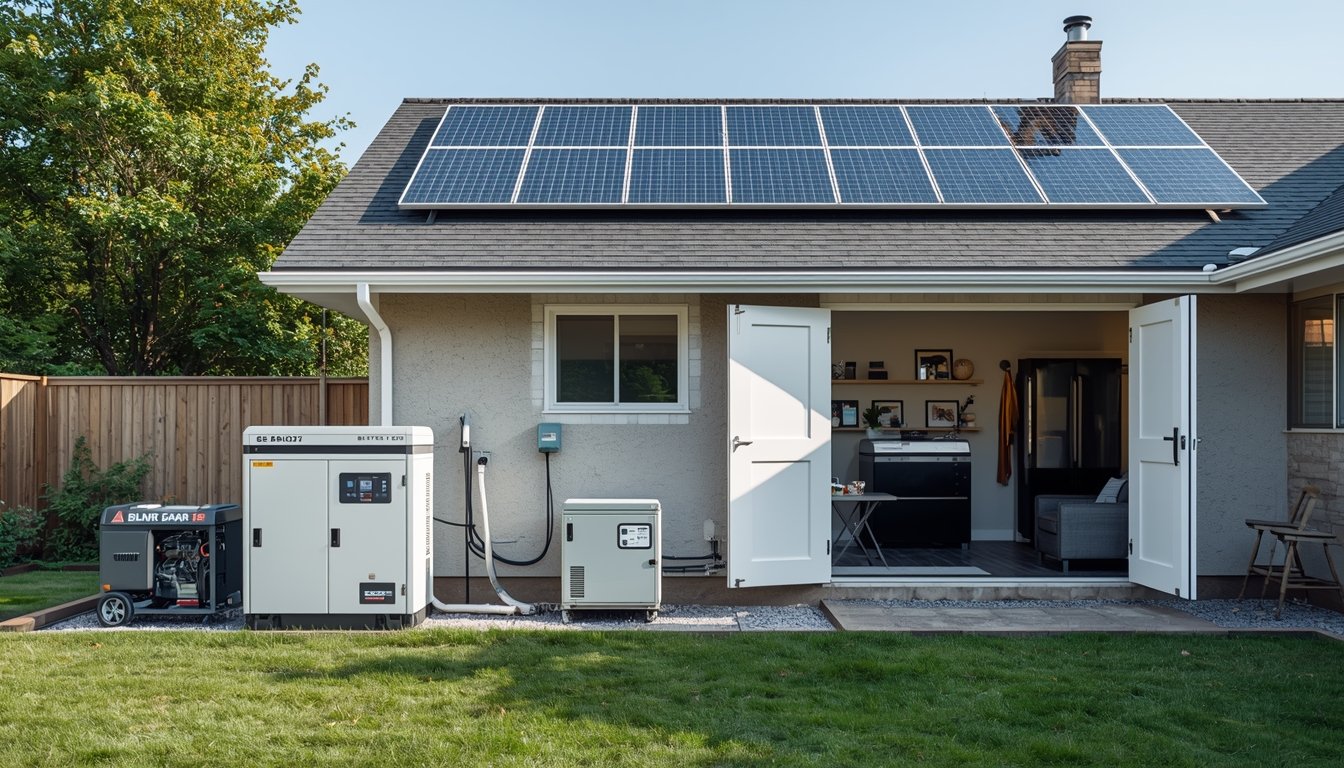
Home backup batteries can run a range of appliances and devices, but their limitations depend primarily on their size and capacity. Most backup battery systems can easily power essential items such as lights, refrigerators, medical devices, routers, plugs, and even small fans during a power outage. However, they aren’t meant to handle large appliances like central air conditioners, electric ovens, or whole-house heating systems for extended periods. In most cases, backup batteries are best used for basic necessities to keep your life running smoothly until grid power is restored.
Appliances Commonly Powered by Backup Batteries
Most home backup batteries are designed to keep your essentials running, not your entire home. Typical items supported include refrigerators, internet modems and routers, phones, laptops, lights, and some medical equipment. These essential loads allow your household to maintain safety, communication, and food preservation during an outage. Small appliances like microwaves, fans, and TVs can also be powered, but you should avoid running them simultaneously with other high-wattage devices.
Backup batteries often come with a specified output wattage. For example, a 5 kW system could support a refrigerator (around 150–300 W), a few lights, and device chargers with room to spare. However, if you try to run portable heaters, clothes dryers, or central AC, you’ll likely overload the battery. To maximize runtime, always calculate what you actually need versus what would be nice to have.
How to Prioritize What to Power During an Outage
Deciding what to keep running during an outage requires knowing your battery’s capacity and your household’s most critical needs. Focus first on essentials: refrigeration to prevent food spoilage, medical equipment if anyone relies on it, and communication devices to stay informed. Most systems are designed with a few circuits dedicated to the most important appliances. If your battery uses a transfer switch, this helps isolate and supply power only where it’s truly required.
Some backup batteries support smart load management, letting you customize which outlets or devices receive power during a blackout. This flexibility allows you to rotate usage between items—running the refrigerator during the day, then switching to lights and electronics at night. Tracking power consumption helps stretch your reserve, ensuring you don’t lose critical services mid-outage. Consult your system’s app or interface for real-time usage stats if available.
- Refrigerators and freezers (to prevent food spoilage)
- Wi-Fi routers and cell phone chargers (for communication)
- LED lights and lamps (for safety and comfort)
- Medical devices (like CPAP machines or oxygen concentrators)
- Small appliances (fans, laptops, or televisions)
These essential items typically fall within the power limits of a modern home backup battery system. By focusing on them, you get the greatest benefit from your limited stored energy. Avoid running several high-wattage items at the same time, and always plan for your family’s unique needs when configuring your battery system. For an overview of top choices, see Best Home Backup Power Systems.
Limitations and Battery Performance Tips
Many backup batteries cannot reliably run high-demand appliances such as central AC units, water heaters, or well pumps for long. Exceeding capacity not only shortens runtime but can trigger automatic shutdowns. Heat-producing devices like space heaters or hairdryers rapidly drain battery reserves, so avoid them unless absolutely necessary. To extend use, unplug non-essentials and turn off appliances when not actively needed.
Climate and installation location also influence performance. Batteries in hot or cold environments can see diminished storage and output, so store units in temperate indoor spaces whenever possible. When sizing a system, add up your must-have loads and check your battery’s rated wattage and amp-hours. If possible, stagger usage or invest in expandable modular batteries for extra capacity. Careful planning ensures your backup supply lasts through longer outages and supports the items that matter most.