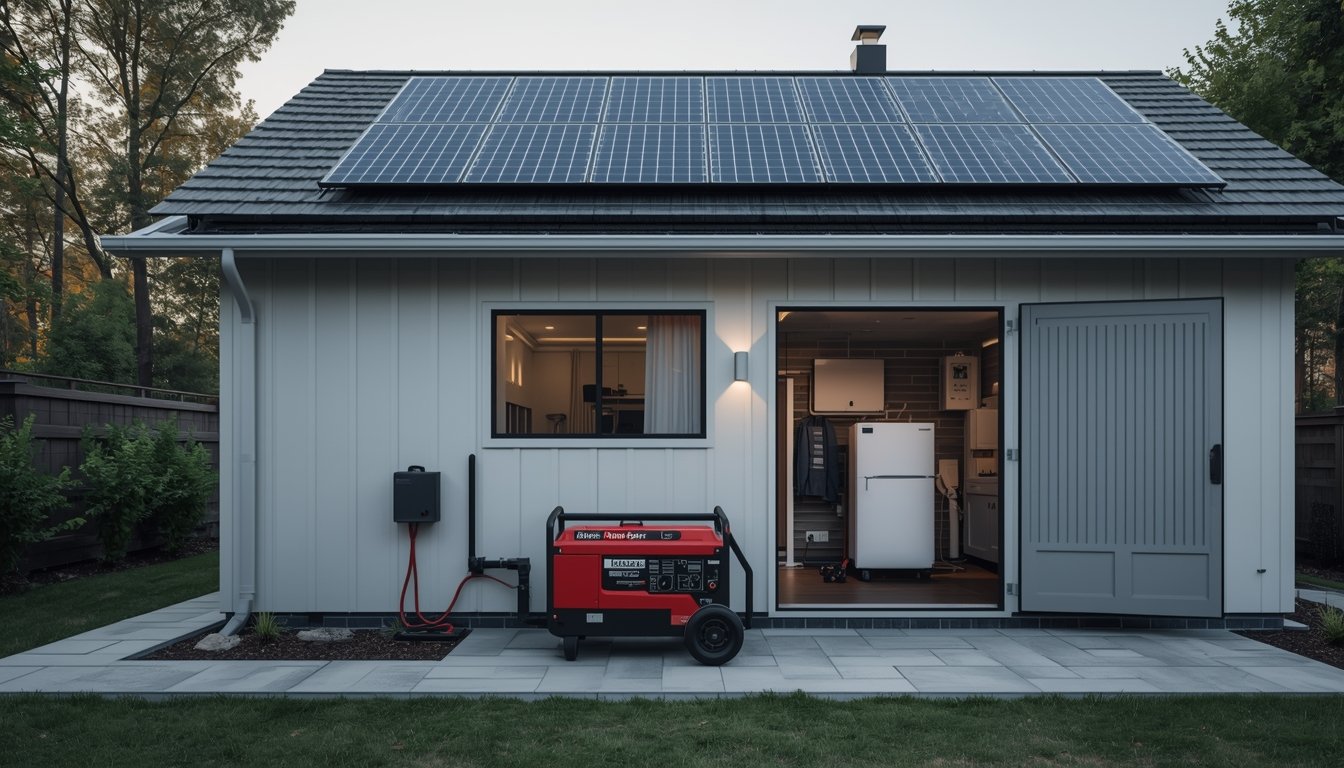
Most home backup batteries need to be replaced every 7 to 15 years, depending on their type and how heavily they’re used. On average, lithium-ion batteries last between 10 and 12 years before replacement is needed. If you want a shorter answer: expect to replace your home backup battery system roughly once a decade, though factors like battery chemistry, usage cycles, and climate can shorten or lengthen this timeline.
Factors That Affect Battery Lifespan
The two key factors that determine how long your backup battery lasts are battery chemistry and cycle count. Lithium Iron Phosphate (LiFePO4) batteries tend to last longer than lithium nickel manganese cobalt oxide (NMC) batteries. Lead-acid batteries have the shortest typical lifespan, often needing replacement after 5–7 years.
Usage patterns also matter. Batteries that are routinely discharged and recharged daily (high cycling) wear out faster than those serving only occasional backup. Environmental conditions have a significant role too. High heat, freezing, or high humidity can reduce battery lifespan considerably.
Manufacturers specify how many charge/discharge cycles a battery can handle before its capacity drops to around 60–80% of original. Reading warranties is crucial, as some are tied to cycle count instead of just years. For more detail on this, Battery Cycle Life and Warranty Explained breaks down these crucial details.
Warning Signs a Battery Needs Replacement
- Noticeably shorter backup times after a full charge
- Unusual battery swelling, leaks, or visible damage
- Frequent error codes or alerts from your battery monitor
- Capacity drops below 70–80% of the original rating
- Excessive time to recharge fully
If you observe one or more of these symptoms, your battery is likely approaching the end of its usable life. Reduced runtime and capacity loss are the most common and easily noticed warning signs. While modern battery management systems provide digital alerts, physical changes (like swelling or leaking) should never be ignored. Being proactive about replacement can prevent sudden, unexpected power loss during an outage. Regularly checking system data helps spot gradual performance drops before they become critical.
Maximizing Your Battery’s Service Life
How you use and care for your battery system makes a significant difference in its longevity. Keeping your battery within recommended temperature ranges and avoiding deep discharges (using more than 80% of stored energy) helps minimize wear. Most modern systems include integrated controls to optimize charging and discharging, but it’s still wise to set up backup routines that use only the energy needed during outages.
Routine battery health checks—either through a monitoring app or with scheduled service—can catch early issues before they get worse. Cleaning terminals and ensuring proper ventilation also help. If you live in an area with temperature extremes, consider climate-controlled placement for your backup system.
Following the manufacturer’s maintenance guidelines is crucial for warranty compliance and extending lifespan. Upgrading firmware when recommended and avoiding DIY repairs can also maximize your battery’s useful years, ensuring reliable performance for as long as possible.