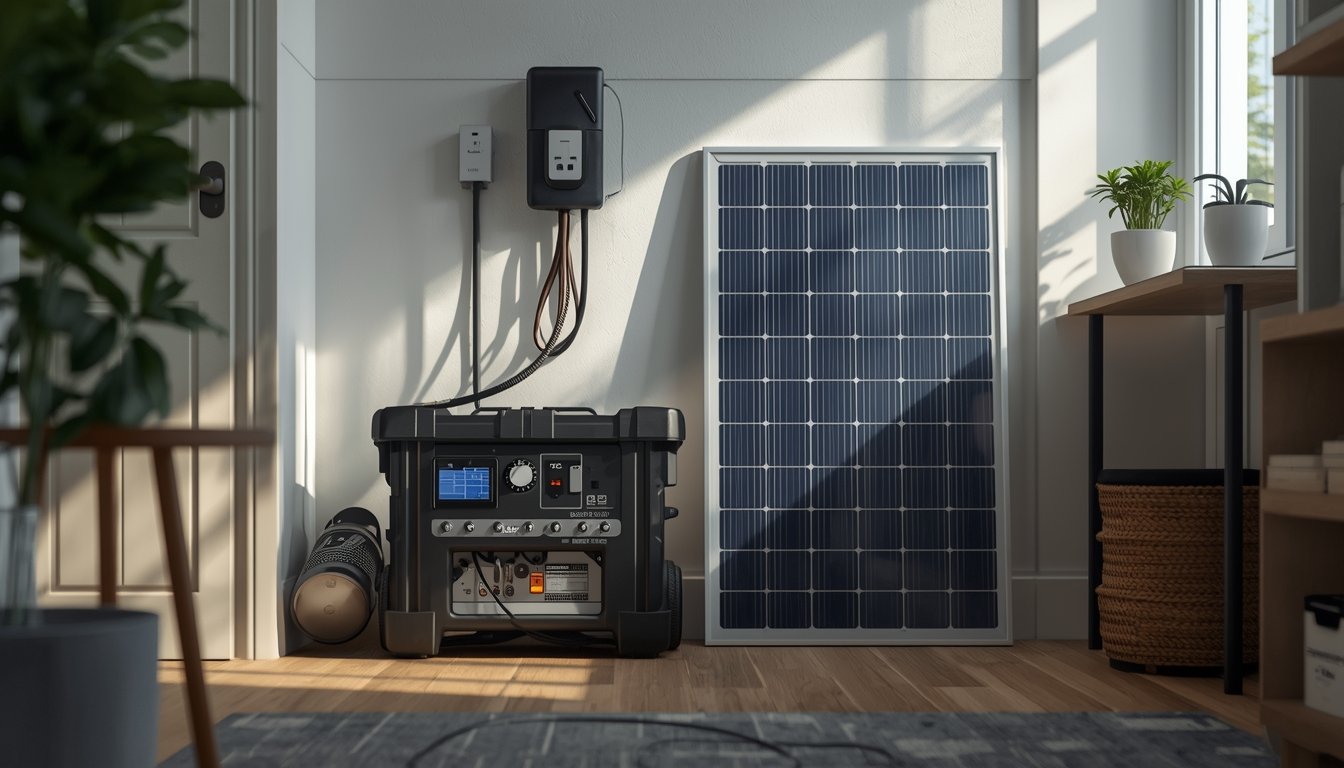
Yes, balcony solar panels can provide limited backup power, but they aren’t a one-size-fits-all solution. For small devices and basic needs during outages, these systems can help. However, due to space constraints and modest panel output, balcony solar generally can’t power large appliances or an entire apartment during a blackout. The practical limits depend on your energy needs, battery storage, and how much sun your balcony receives.
How Balcony Solar Panels Deliver Backup Power
Balcony solar kits are compact photovoltaic systems designed for small spaces. Installed on railings or small walls, they harness sunlight and convert it into usable power. Typically, these systems include one or two panels, a microinverter, and sometimes a plug-in battery.
Unlike full rooftop setups, balcony solar capacity is limited—usually between 300 and 800 watts. This limits the amount of energy you can generate and store on-site. During a blackout, only systems equipped with appropriate batteries and off-grid capability can provide backup power. Most plug-in balcony kits are designed to feed energy directly into the grid, which means they shut down for safety during an outage unless you have an “island mode” or backup-ready inverter and battery.
For renters or condo residents, balcony solar is appealing because it’s easy to set up and requires no roof access. Still, its usefulness during grid failures comes down to whether you’ve paired it with a battery system and how much critical load you need to cover.
What You Can and Can’t Power During an Outage
- Most balcony solar setups can only run small devices (phones, routers, LED lights) from stored battery energy.
- Refrigerators, microwaves, and heating/cooling appliances usually demand too much wattage for these systems.
- The backup duration depends on battery size—expect just a few hours for device charging or low-power uses.
- If sunlight is poor or the battery isn’t fully charged, available backup time and power decrease further.
Balcony solar is best for keeping essential electronics running briefly, not whole-house loads. For longer outages or bigger appliances, you’ll need larger battery banks or alternative solutions. Check your device wattage and your system’s rated output to set realistic expectations. For more robust options suitable for apartments, see Backup Power Solutions for Apartments and Condos. Understanding these limits helps you avoid disappointment and plan effectively for emergencies.
Who Should Consider Balcony Solar for Backup Power?
Balcony solar is ideal for people with low backup needs, such as city dwellers who want basic emergency power. If your goal is to keep communications going, maintain light, or charge portable devices during short outages, this solution can be practical and cost-effective. Renters—who can’t alter building wiring—also benefit from the easy installation and removability of balcony systems.
Those living in buildings with lots of sun exposure on their balconies will see better charging performance. However, anyone expecting to run large appliances or survive long-term blackouts should consider more comprehensive backup setups, like larger battery systems or generators. Neighborhood blackout frequency and local regulations around solar installations also affect suitability.
Evaluate your layout, sun hours, and actual power needs before investing. Balcony solar is an entry-level way to gain some energy security, but be clear on its limitations and whether it fits your backup power strategy.