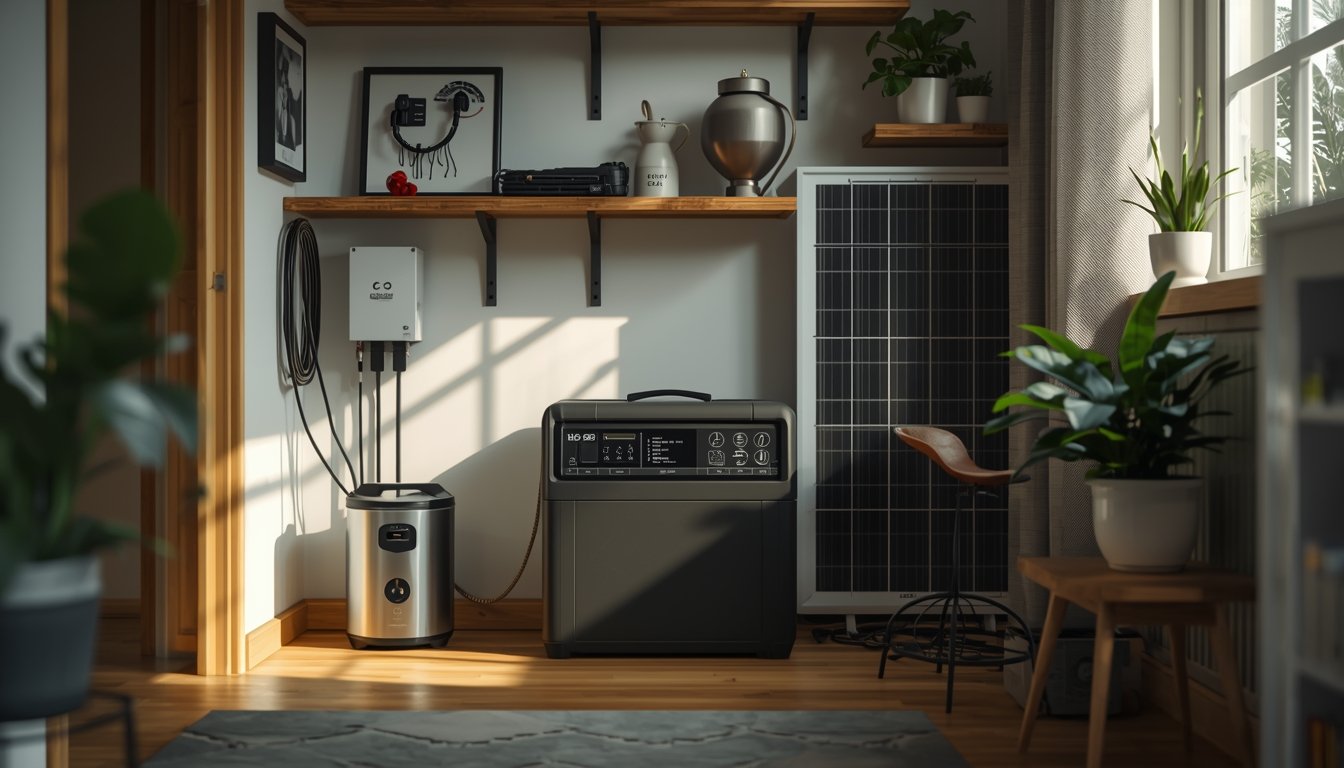
Yes, a portable power station can run a refrigerator, but the outcome depends on the capacity of the power station and the wattage of the fridge. Most modern refrigerators need between 100 to 800 watts to operate, including their initial surge when starting up. To safely run a refrigerator, your portable power station must be able to deliver both the required running and starting watts for the fridge model you own.
Understanding Fridge Power Needs and Power Station Specs
All refrigerators have two key power figures: the continuous running wattage and the surge or starting wattage. The latter is usually two to three times higher than running watts due to the compressor kicking in. For example, a typical 120-watt fridge may require up to 350 watts at startup. Always check the label inside your fridge or your manual for precise values.
Similarly, portable power stations are rated by battery capacity (watt-hours) and output wattage. To estimate runtime, divide the battery capacity by the running watts of your refrigerator. For instance, a 1000Wh battery running a 120-watt fridge should last about 8 hours, accounting for efficiency losses. However, if your fridge cycles on and off, actual runtime can be longer.
Pick a power station with higher output than your fridge’s surge requirement. Undersized models may shut down or fail to start appliances with motors or compressors.
Choosing the Right Portable Power Station
- Make sure the power station’s inverter supports your refrigerator’s peak surge wattage, not just its rated wattage.
- Choose a station with at least 1000Wh battery if you want overnight coverage for a small or mid-sized fridge.
- Look for stations that offer pure sine wave output, as refrigerators run more efficiently and safely on clean power.
- Check the number and type of AC outlets—this gives flexibility for running other small devices with the fridge.
Considering these points will help you select a suitable portable backup power system, minimizing risk of overload or short runtime. If your refrigerator is especially large or old, double-check both surge and rated power, as these appliances often require more robust solutions. For a curated list of top-rated options and practical comparisons, visit the Best Portable Power Stations for Home Backup guide.
Practical Tips, Limitations, and Best Practices
While portable power stations offer flexibility, be aware of runtime limits. Battery capacity drains rapidly if your fridge runs continuously or if you add other devices. If possible, reduce fridge temperature before a power outage and keep the door closed to preserve cold air.
Remember that frequent compressor cycles increase power draw. Avoid plugging multiple high-wattage devices into the same power station as this can cause overloads. For off-grid or extended outages, consider a solar-compatible power station paired with panels for recharging.
Always follow the power station manufacturer’s safety guidelines. Regularly test your system with the actual fridge you plan to use, so you’re prepared in an emergency. Proper planning ensures your food and medicines stay safe during outages, and your backup solution performs reliably when it truly counts.