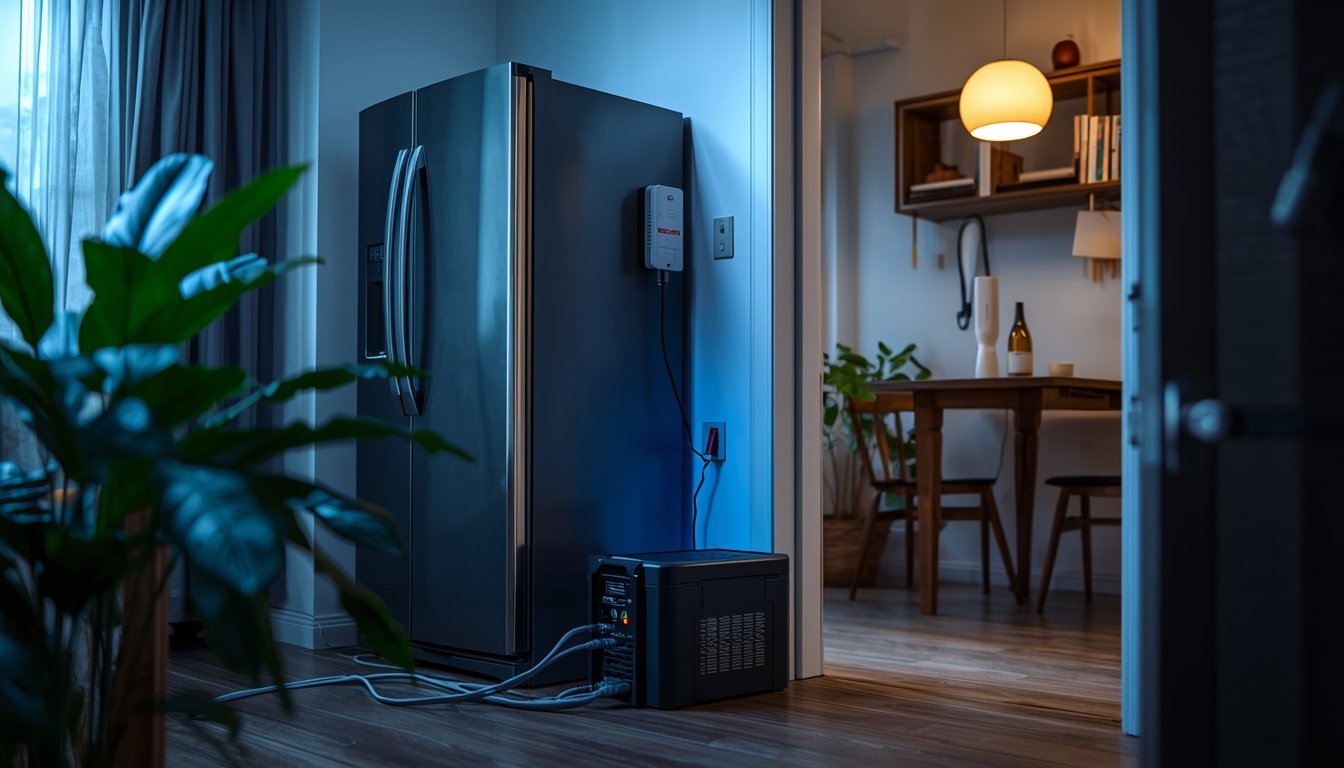
To keep refrigerators, freezers, and medical devices running during a power outage, you need a backup power system that provides enough wattage and the correct type of electrical output. The most reliable options are portable generators, standby generators, and large-capacity battery backup systems. Securing continuous operation is critical—not just for food safety, but also for health and safety when important medical equipment must remain powered. Having a plan for clean, stable backup power is just as crucial as the backup device itself. For more about power quality, see What Is Clean Power for Home Backup Systems?.
Understanding Power Needs for Key Appliances
Every backup solution starts with clarifying your minimum wattage requirements. Most refrigerators and freezers require between 100–800 running watts, but their starting (surge) wattage can be significantly higher, sometimes doubling the running number.
Medical devices, such as CPAP machines or oxygen concentrators, may seem less demanding; however, even small devices can be sensitive to power fluctuations or surges. Check each device’s label for exact wattage and note whether clean, stable power (pure sine wave) is recommended.
When calculating total requirements, factor in all essential appliances you want to power simultaneously. Usually, you must account for device startup surges. For example, powering a refrigerator (start-up 1200W, run 200W) and a CPAP (60W) means your system should handle a 1260W surge and sustain 260W afterward.
It’s better to slightly oversize your backup system to allow for unexpected needs or future additions. Accuracy here minimizes risk during outages—if your backup falls short, critical devices could shut off, endangering food safety or personal health.
Types of Backup Power Solutions
Three main systems stand out: portable generators, standby generators, and home battery backup units. Each offers unique benefits and drawbacks.
Portable generators are affordable and easy to deploy. They can run refrigerators, freezers, and many medical devices but require manual setup and safe fuel handling. Portable models often use gasoline, propane, or dual-fuel options to improve flexibility.
Standby generators connect directly to your home’s power panel and start automatically during outages. They support higher wattage loads and offer longer runtimes—as long as fuel is present. Maintenance is usually low, but installation costs more upfront.
Home battery backups (also called portable power stations or solar generators) store electricity for quiet, emission-free operation. They are ideal for indoor use, especially with medical devices sensitive to fumes or power “noise.” Energy capacity varies widely, so always match the battery’s output to your combined appliance loads and surge ratings.
Your circumstances dictate the best fit. For uninterrupted use of medical equipment, choose options with pure sine wave output to prevent device problems or data corruption.
Essential Preparation Steps
- List every appliance and device you want to power
- Determine starting and running wattages for each device
- Check if devices need pure sine wave or inverter-type compatibility
Comprehensive preparation is the cornerstone of successful backup planning. Begin by making a detailed list of each refrigerator, freezer, and medical device you need to keep running. Don’t forget smaller or less obvious items, such as medication coolers or nebulizers.
Next, look up or measure both the running and surge wattages for each. Surge requirements, especially for compressors in refrigeration units, can surprise people who only consider steady-state usage. Always check documentation—some medical gear has strict requirements for “clean” electricity, so pure sine wave output may be non-negotiable.
It’s wise to prepare for slightly higher loads than strictly necessary. Building in a margin accounts for device age (older fridges work harder), environment changes, or the need to charge several smaller items. Once you know your requirements, use them to select the correct backup power size and type. This careful approach boosts safety, reliability, and convenience during extended outages.
Safe Operation and Maintenance Practices
Ensuring your backup power performs reliably includes routine checks and safe usage habits. Any generator, whether fuel-based or battery backup, needs periodic maintenance. For gas or propane units, always check oil levels, inspect fuel lines, and run your device monthly to confirm it starts easily.
If your system uses batteries, keep them fully charged and store them according to maker guidelines. Always test them under load—plug in key devices and verify run times. This validates true readiness, not just “theoretical” operation.
Safety comes first. NEVER run fuel-based generators indoors or in partially enclosed spaces. Carbon monoxide can accumulate quickly, even with open garage doors. Keep cables tidy and avoid overloading your backup circuits. If extension cords are necessary, use heavy-duty, grounded options rated for appliance loads.
Finally, always read the user manual before operating backup systems—especially for medical devices. This ensures safe use and that you won’t void warranties with improper connections.
Common Power Pitfalls (And How to Avoid Them)
- Underestimating total power needs and surge wattage
- Using dirty or incompatible power for sensitive equipment
- Forgetting to run and test backup systems regularly
Many homeowners guess at their backup loads and end up underpowered. Always confirm both surge and continuous draw for each appliance. Missing surge requirements can cause system overloads or frequent shutdowns, especially when compressors cycle in refrigerators or freezers.
Clean, compatible power is essential, especially for sensitive medical equipment. Cheaper generators can sometimes deliver “noisy” output, which may damage certain electronics or lead to inaccurate functioning in CPAPs or oxygen concentrators. As discussed in What Is Clean Power for Home Backup Systems?, investing in a pure sine wave inverter or generator is a must for these cases.
Finally, neglecting regular testing is one of the most common—and avoidable—errors. Waiting until the next emergency to discover problems can be disastrous. Routine checks and test runs give you peace of mind and reveal any issues long before you actually need the system.