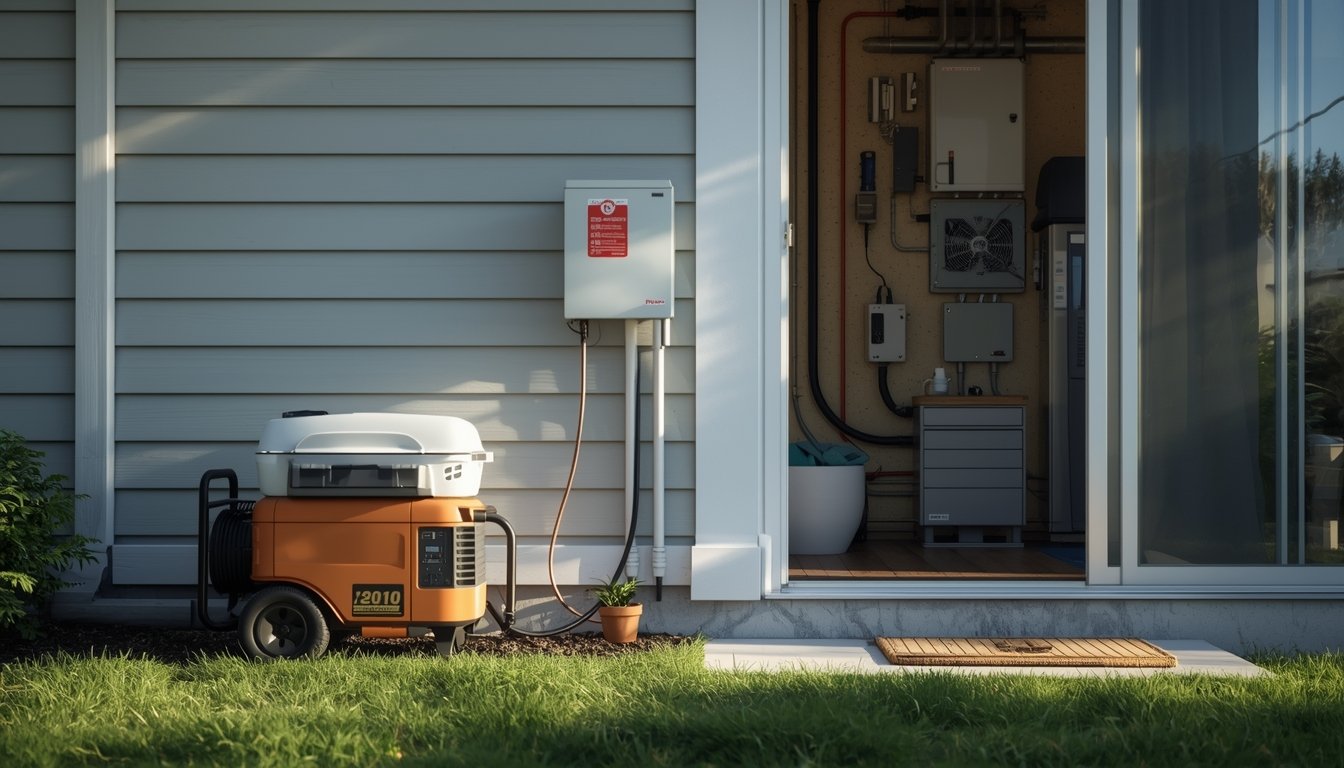
Clean power in the context of home backup systems refers to electricity that is stable, consistent, and free of electrical noise or distortions. This type of power is particularly important for sensitive electronics and appliances. Clean power ensures that the electricity supplied during outages closely matches the utility grid’s quality, reducing risks to modern home devices.
How It Works
Clean power is typically produced by backup systems using technologies like pure sine wave inverters. These inverters convert stored energy, such as that from batteries or generators, into a smooth and consistent electrical waveform. This waveform matches what household devices are designed to use when plugged into the grid. Some systems, such as battery backups and inverter generators, are specifically engineered to deliver clean power by filtering out voltage spikes, electrical noise, and frequency variations.
What It Can Do
With clean power, backup systems can safely support even the most sensitive household electronics during a power outage. This means equipment such as computers, smart televisions, and medical devices can operate normally without increased risk of malfunction or damage.
- Allows operation of sensitive electronic devices without causing harm.
- Reduces audio and video interference in home entertainment systems.
- Prevents data loss or corruption in computers and network hardware.
- Supports appliances that require consistent voltage and frequency, such as refrigerators or some home automation systems.
Because clean power closely matches utility-grade electricity, it is also less likely to trigger errors or protective shutdowns in devices. This level of reliability is particularly important for households with critical medical equipment or workplaces operating from home. Users can be reasonably assured that their high-value electronics will encounter minimal risk when powered by a backup system that produces clean power.
Limitations and What It Cannot Do
Although clean power offers many advantages, it is not a complete solution for every need. Not all backup systems are capable of producing clean power; many older or budget generators provide only modified waveforms, which can still be harmful to some electronics. Additionally, clean power cannot increase the total output or capacity of a backup system, nor can it compensate for insufficient battery reserves or generator fuel.
Furthermore, supplying clean power does not mean unlimited energy. The total runtime and available power are still restricted by the system’s design and capacity. It’s also important to note that clean power can only protect devices while the backup system itself is functioning properly and is not overloaded.
In situations where multiple large appliances are running simultaneously, or if the backup system is poorly maintained, even clean power may not prevent momentary sags or outages. Understanding the technical differences between various power outputs is also important; for more details, see Pure Sine Wave vs Modified Sine Wave Backup Power for a clear comparison of their effects on home devices.
When It Works Best
Clean power is most effective in homes where there is a need for backup electricity for devices that are highly sensitive to power quality. This often includes homes that have medical devices, modern electronics, computers, or advanced appliances. Clean power backup systems also function well in environments with frequent outages or where the electricity supply can be unstable, such as rural or remote locations. For users who are concerned about protecting their investment in expensive household equipment, these systems provide added assurance by delivering reliable and safe electricity during outages or emergencies.
Common Misconceptions
One common misconception is that any backup power source provides clean power—this is not always the case. Many portable generators and simple inverters produce electricity that may not be suitable for sensitive electronics. Another misunderstanding is that clean power can extend the runtime of backup systems; in reality, it only improves the quality of the power, not the amount or duration. Some also believe that all electronics are immune to poor power quality, but devices with digital controls, motors, or delicate circuitry are especially susceptible.
Final Answer Summary
Clean power in home backup systems means providing stable, reliable electricity that mimics the quality of utility grid power. It is essential for safely running modern electronics and sensitive household equipment during outages. However, clean power does not increase overall backup capacity, and users must choose the right system to match their specific device needs.