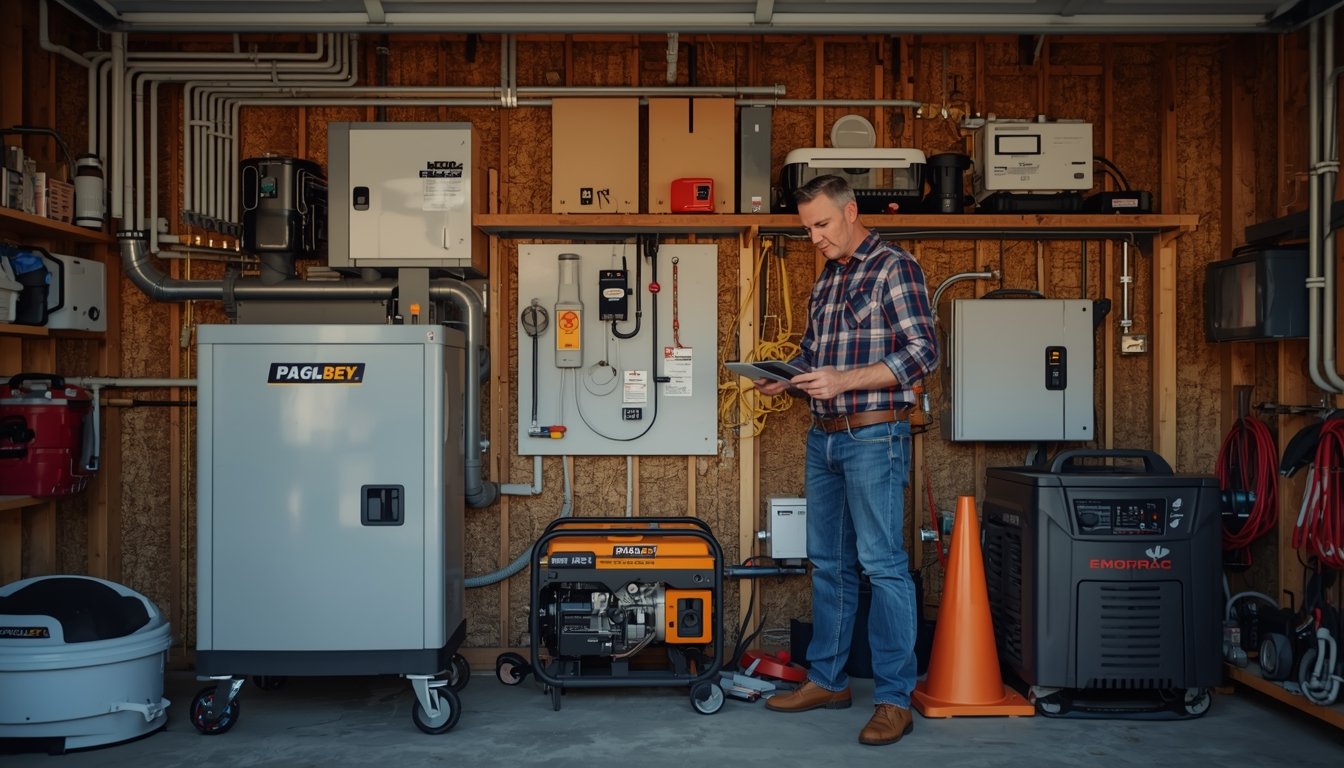
Choosing a home backup power system comes down to the features that actually impact your experience during an outage. Not all specifications are equally important for every household. Understanding which features matter most helps you avoid overpaying for extras you may never use and ensures your setup is reliable when you need it most.
Why It Matters
Not all backup power needs are the same. Powering a few essentials is very different from keeping your entire home running for days. By focusing on meaningful features, you can ensure a backup system serves your priorities—whether that means affordability, maximum uptime, or powering sensitive electronics.
Overlooking key features can put you at risk during blackouts. It can also lead to frustration if your system is hard to use or doesn’t actually support the appliances you need. With the right information, you can make confident choices and get lasting value from your investment.
Most Important Features to Prioritise
Some features have a direct impact on the reliability and effectiveness of your backup power system. Knowing what to look for will help you quickly narrow your options and avoid regret after installation.
- Capacity (Wattage and Runtime): Your system must power your chosen essentials for the duration of typical outages. Look at both peak output and how long you can run devices on a single charge or fuel tank.
- Fuel Type or Energy Source: Considerations include gasoline, diesel, propane, natural gas, or batteries (solar or grid-charged). Each has trade-offs in storage, maintenance, and runtime.
- Transfer Switch Compatibility: A transfer switch allows quick, safe changeover when the grid is down. Hardwiring can be crucial for keeping circuits running smoothly and safely.
- Start-Up Method: Systems with automatic or remote start reduce effort and let the system respond immediately to outages.
- Safety and Emissions: Modern systems offer advanced safety features like CO monitoring and low emissions, protecting both health and property.
Prioritising these core features ensures your backup power system will perform when you need it and fit seamlessly into your existing home setup. The right match means fewer worries about keeping appliances, devices, and safety systems going during outages. Considering your household’s power habits before you buy can help you balance upfront cost against peace of mind during storms or grid failures.
Features That Matter Less for Most People
With many backup systems on the market, it’s easy to pay more for extras that add little practical value. While some households may appreciate advanced options, most people won’t use or benefit from every feature available.
Display screens with detailed analytics, app-based monitoring, or decorative finishes often drive up the price without boosting core performance. Likewise, ultra-low-noise operation or solar recharging may only be relevant if you have unique needs—such as using the system at night near bedrooms or living entirely off-grid.
For most families, these secondary features don’t make a noticeable difference in backup situations. By focusing on essential functionality, you can choose a system that’s both reliable and budget-friendly. When prioritising, it helps to reflect on what’s truly beneficial in a blackout, rather than letting marketing influence your decision.
How to Match Features to Your Situation
Identifying your priorities takes a little planning, but it’s worth the effort. Review what you most want to power during outages. Make a list of essential appliances, devices, and circuits. Estimate total wattage and think about how long you need them powered.
If you only need to keep a fridge, some lights, and a phone charger running, smaller-capacity options with manual start may suffice. For homes with medical equipment, sump pumps, or requiring central air, automation and higher runtime become more important. Fuel availability in your area can also drive your choice—battery systems may be preferable where fuel storage is impractical.
Your local climate, length of typical outages, and home layout will all shape your decision. Reading detailed reviews and comparisons, like those in our Best Home Backup Power Systems guide, can make it easier to translate these needs into specific features and system types.
Final Thoughts
Ultimately, finding the right backup power system is about focusing on the features that impact your comfort and safety. Capacity, fuel type, and seamless operation matter most for getting you through extended blackouts, while many add-ons have little effect for the average homeowner.
By considering how you’ll actually use the system and what your home requires, you can confidently choose a setup that fits your needs—whether your priority is simplicity or uninterrupted whole-home power. Take the time to match features with your situation, and you’ll be better prepared whenever outages strike.