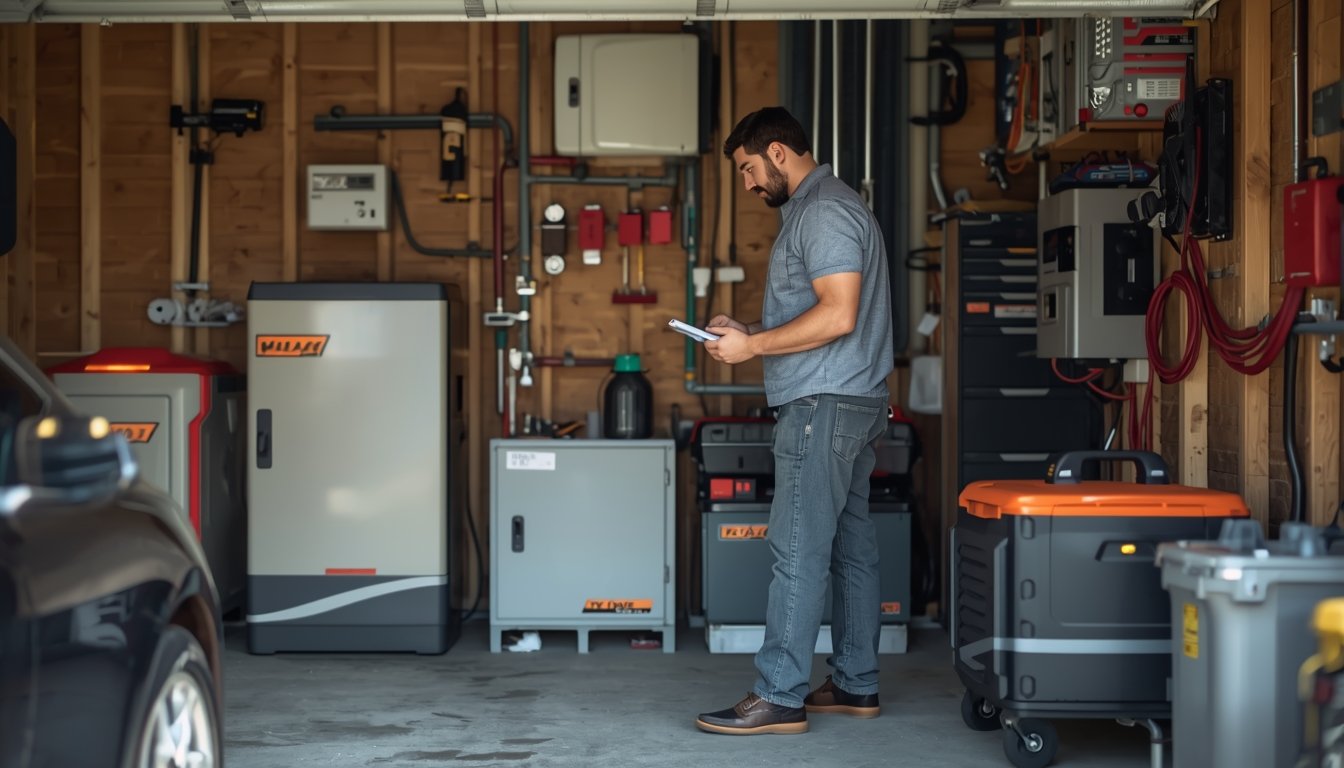
For most people, investing in a home backup power system can be worth it—mainly if reliable electricity is essential for your comfort, work, or safety. The value comes down to how much you need to avoid power outages, and whether the cost aligns with your priorities. Knowing what features and drawbacks matter most will help you decide if this kind of system fits your needs, budget, and lifestyle.
Why It Matters
Most communities experience occasional power outages, but their impact isn’t the same for everyone. If you work from home, live in an area prone to storms, or depend on medical devices, even a short outage can cause real problems. Beyond daily inconvenience, a backup power supply can shield you from spoiled food, loss of heating or cooling, and disruptions to work or communication.
Backup power systems also matter for peace of mind. They can make your home more resilient and less dependent on the local grid. When frequent blackouts or extreme weather events are possible, these systems can help protect your household and prevent unexpected costs from spoiled supplies or property damage.
Most Important Features to Prioritise
When looking at backup power system options, it’s easy to get distracted by technical specs. However, certain features are far more likely to influence your satisfaction in daily use and emergency situations. Understanding which criteria matter most will make your decision process less overwhelming.
- Capacity and Output: The system must support your essential appliances and devices during an outage. Check both total storage capacity (how much energy) and peak output (how many devices at once).
- Automatic Transfer: Systems with automatic switchover activate without you needing to intervene, so you don’t have to be home when a blackout happens.
- Type of Backup: Decide between traditional generators, battery storage, or hybrid systems depending on your fuel access, noise tolerance, and maintenance preference.
- Installation Requirements: Some backup systems are plug-and-play, while others require professional installation and electrical panel integration.
Paying close attention to these practical features sets you up for fewer surprises later. If a system meets your core needs for power, convenience, and compatibility, you’re much more likely to be happy with your investment over the long term. Carefully matching these features to your home ensures you don’t overpay for unnecessary capacity, or settle for something that leaves critical gaps.
Features That Matter Less for Most People
Manufacturers often emphasize features that sound impressive but make little difference for everyday users. It’s important to recognize which specs are genuinely valuable versus those that add cost or complexity without real benefits.
For example, advanced wireless monitoring, app-enabled controls, or modular expandability can be appealing on paper. However, for most households, these features are rarely used—or may even complicate basic operation. Unless you enjoy tinkering with technology or plan to scale up your backup system substantially in the future, it’s often better to focus on core performance rather than bells and whistles.
Likewise, standby self-test modes or redundant safety features can drive up costs without providing meaningful protection beyond required standards. Prioritize proven reliability and essential alert functions over added complexity, unless your situation demands higher performance or you have unique risk factors at home.
How to Match Features to Your Situation
Choosing the right backup power solution starts with understanding your unique needs and potential outage scenarios. Not all homes face the same risks, and the right system for you depends on your home’s size, energy priorities, and how much inconvenience you’re prepared to tolerate during a blackout.
Start by making a list of critical devices—such as medical equipment, communications, refrigeration, and heating or cooling systems. Estimate how long you want to run these during an outage. Also, factor in your local climate and average outage duration.
It’s also valuable to think about your neighborhood’s infrastructure. If outages are rare but catastrophic when they do occur, you may justify investing more for immediate, hands-off coverage. Conversely, if outages are frequent but short, a simpler, portable solution could suffice. For a deeper examination of system types and their pros and cons, the Best Home Backup Power Systems guide compares leading categories and helps you focus on what matches best with your home’s risks and your personal comfort level.
As you narrow your selection, consider the balance between up-front cost and long-term maintenance. Every household’s threshold for convenience, risk, and spending will be different, so be sure to measure your technology comfort along with practical needs. The right fit is the one that protects your priorities without overcomplicating your daily routine.
Final Thoughts
A home backup power system is a practical safeguard for many households, but its value is highly individual. For those who face frequent, disruptive outages—or can’t afford to lose critical home functions—the investment brings worthwhile peace of mind and everyday security. On the other hand, if outages are rare and your tolerance for brief inconvenience is high, you might find these systems less essential.
Ultimately, the decision hinges on clear-eyed assessment of risk, comfort, and cost. By focusing on the features most vital to your daily life, and ignoring superficial extras, you can confidently weigh whether a backup power system fits your needs. Taking a systematic approach ensures you won’t overspend or end up with a system that doesn’t deliver when you need it most.