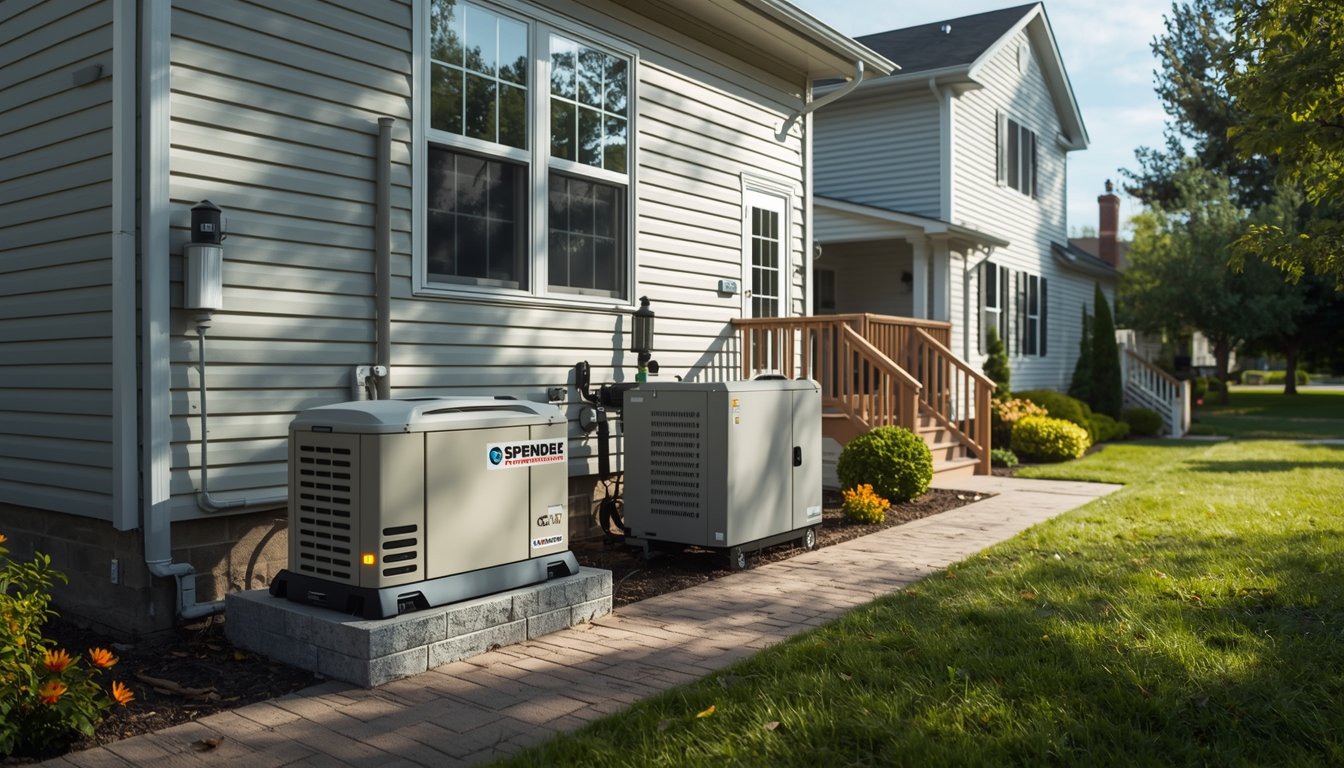
If you want instant, maintenance-free backup with silent running, a battery backup is usually the better choice. For longer outages or whole-house coverage, a generator can still be more effective. The core differences come down to power needs, convenience, and what you value: clean and quiet operation, or maximum power for extended times.
When Batteries Are the Better Option
Batteries offer clean, silent backup power. They’re ideal for homes in quieter neighborhoods, or where using a noisy generator isn’t practical. Batteries provide instant-on power with no warm-up, often switching over so fast you may not notice an outage. This can protect sensitive electronics and keep security or smart home systems running smoothly.
For short power outages or daily backup, battery systems shine. Some setups integrate with solar panels, letting you store and use solar energy anytime. Maintenance requirements are low—there’s no fuel to check, no oil to change, and no mechanical parts to service.
However, most batteries have limits. You need to size the system carefully or risk running out of power in a multi-day blackout. Batteries are best if you want a hands-off solution and are willing to invest upfront for reliability and low ongoing effort.
Benefits and Limitations of Generators
- Can power a whole house or heavy-use appliances
- Often run longer than home battery backups during extended outages
- Require regular maintenance (fuel, oil, engine service)
- Noisier and produce emissions
- Usually need manual startup or transfer, unless fully automatic
Generators remain a reliable choice, especially where outages last many hours or days. They handle major loads like well pumps or HVAC systems that batteries may not support. However, generators aren’t always ideal in dense neighborhoods due to noise and fumes. You’ll need to plan for fuel storage, refueling, and periodic testing. They’re often less convenient than batteries but with the advantage of almost unlimited runtime if you can supply fuel. For applications where maximum power and duration matter, generators still set the standard.
Choosing What’s Right for Your Home
Your choice depends on outage frequency, how much power you need, and your tolerance for noise and maintenance. Battery systems cater to those who want seamless, silent operation for short outages or partial-home backup. They’re perfect for remote monitoring, alarm systems, medical devices, and keeping essentials running.
If your area faces long or frequent outages, or if you need to run large appliances, a generator could be more practical. Think about your total power needs and whether you want to manage fuel and maintenance tasks. Many homeowners now use both: a battery for most blackouts, with a generator as a backup to the backup.
To better compare available technologies, check the Best Home Backup Power Systems guide. Your budget, priorities, and local restrictions can shape your best solution for reliable backup power.