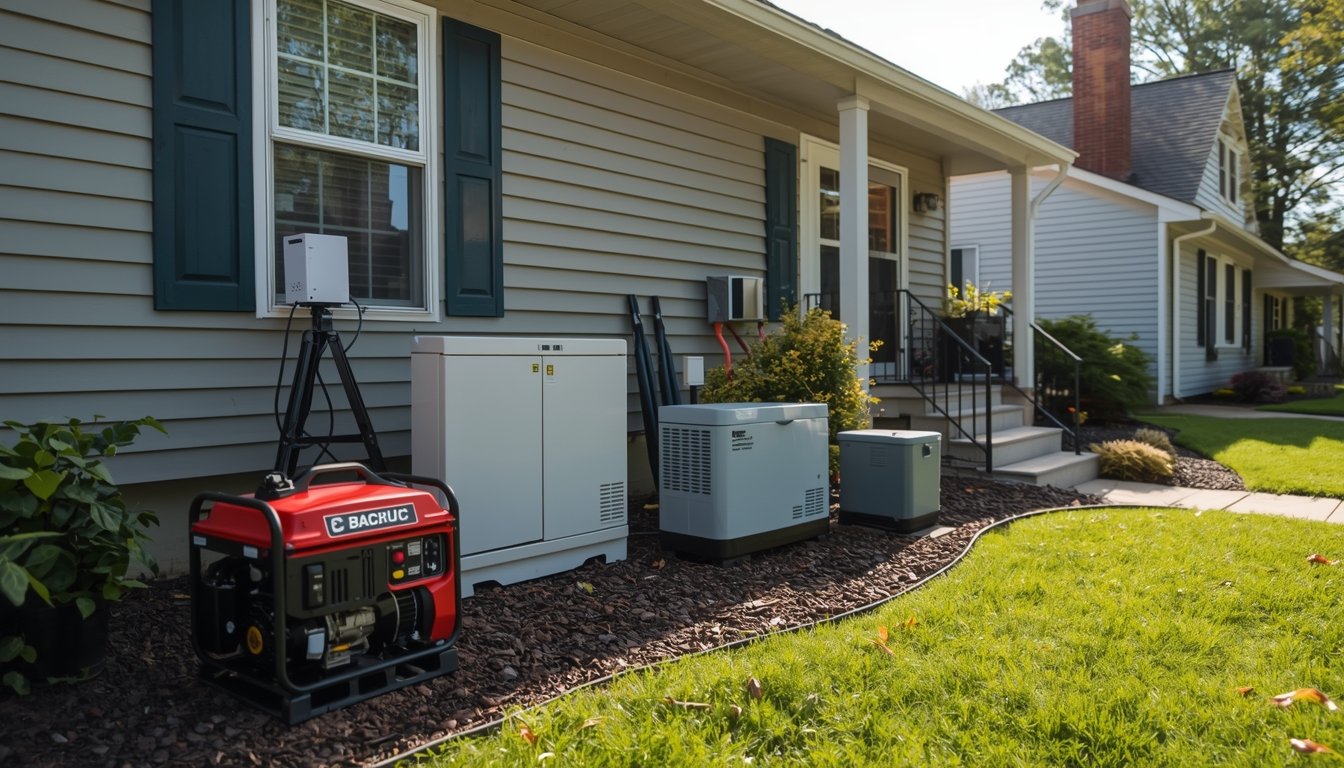
Portable power stations and standby generators both provide backup electricity, but they serve different needs. Portable power stations are ideal for short-term, low-to-medium power requirements and can easily be moved around, whereas standby generators are permanent installations designed to support your home’s major appliances during prolonged outages. Selecting between the two depends on your desired level of convenience, budget, and how much backup power you need. For a deeper dive into home backup solutions, Best Home Backup Power Systems offers a useful comparison for homeowners seeking all-around options.
How Portable Power Stations Work
Portable power stations, sometimes called battery generators, are rechargeable battery packs that supply electricity through built-in outlets and USB ports. These units are powered by lithium-ion or LiFePO4 batteries and can be recharged via wall outlets, car adapters, or even solar panels. They’re lightweight and designed for mobility, allowing users to move them anywhere backup power is needed, both indoors and outdoors.
Most portable power stations range from about 150Wh to 2000Wh in capacity. This makes them best for running smaller devices: charging phones and laptops, powering lights, running Wi-Fi routers, or briefly supporting a refrigerator. Their silent operation and emission-free use are well suited for homes, apartments, and sensitive indoor environments. Some advanced models can even be chained together for additional capacity.
However, their limited storage capacity and power output mean they can’t run high-draw appliances for long periods. They may struggle with central air conditioners or large electric stoves. Portable power stations are perfect for temporary outages, outdoor work, or camping, but might not suffice for extended home backup needs or whole-house coverage.
Standby Generators: Always Ready
Standby generators are permanent fixtures wired directly into your home’s electrical system. They run on natural gas, propane, or diesel and automatically start within seconds of a power outage. Unlike portable solutions, standby generators can power an entire home—including HVAC systems, kitchen appliances, medical devices, and critical loads—without manual setup each time.
These systems are sized by kilowatt capacity, with residential options typically starting at 7kW and scaling up to 30kW or higher. Standby generators are professionally installed and usually require a transfer switch. This guarantees safe, automatic switchover from the grid to generator power whenever there’s an outage.
One of the key advantages is reliability. Standby generators routinely self-test and are designed to run for days or weeks using an ongoing fuel supply. The major tradeoff is higher upfront installation cost and routine maintenance, plus ongoing fuel expenses. However, for homeowners prioritizing seamless, whole-house coverage, especially in regions prone to severe weather or frequent outages, standby generators offer unmatched security and convenience.
Pros and Cons: Portable Power Stations
- Lightweight, quiet, and emission-free for indoor use
- Easy to deploy, transport, and recharge from multiple sources
- Limited by lower power capacity and shorter runtime
Portable power stations shine where flexibility, portability, and simplicity are essential. Their silent operation and lack of fumes make them safe for apartments, condos, and situations where an internal combustion engine isn’t practical. Because they can be charged from grid power, car outlets, or solar, there’s versatility in keeping them ready, even during longer emergencies. Transporting them from room to room or even offsite is a major plus for frequent travelers or remote workers.
However, the main tradeoffs are capacity and runtime. A portable power station can typically run devices like laptops, modems, phone chargers, or small medical equipment for several hours—but won’t handle large loads or prolonged blackouts. They’re best suited to those needing short-term backup for essential electronics and personal devices. Households expecting sustained outages or looking to keep appliances running for days at a time will need something more powerful and robust.
Evaluating Standby Generator Benefits and Limitations
- Automatically protects your entire home during blackouts
- Long runtime backed by natural gas or propane lines
- Requires professional installation, regular maintenance, and higher cost
Standby generators offer what portable options cannot: peace of mind that your household will keep functioning seamlessly, no matter how long the grid is down. With enough capacity to run HVAC, refrigeration, medical equipment, and most appliances, they are ideal for those dependent on home comfort, remote work, or continuous care equipment. Automatic transfer switches remove the hassle of setting up or refueling during a storm or late at night.
Despite their advantages, these generators involve a significant upfront investment, with installation sometimes costing as much as the unit itself. Regular servicing is also needed to ensure reliability, and there are continuing fuel costs for gas or propane models. Homeowners should weigh their household’s reliance on uninterrupted power and their willingness to invest in infrastructure when considering standby systems.
Choosing the Right Option for Your Home
The right backup power solution depends on your priorities: what needs to stay powered, your budget, and where you live. If your main concern is keeping phones charged and a few lights or a fridge running for several hours, a portable power station is inexpensive, easy to use, and readily deployable. It’s also an excellent choice for renters or those needing backup power in multiple locations.
For complete home protection and effortless operation, especially in storm-prone areas or for families with medical or work-from-home needs, a standby generator provides comprehensive coverage. Remember to consider installation space, local fuel availability, and your willingness to schedule maintenance. Both options can also be combined: a standby system for the whole house and a portable station for personal devices or in areas where generator noise or emissions are not allowed. Carefully assessing your specific needs ensures you get the coverage and convenience you require when the grid goes down.