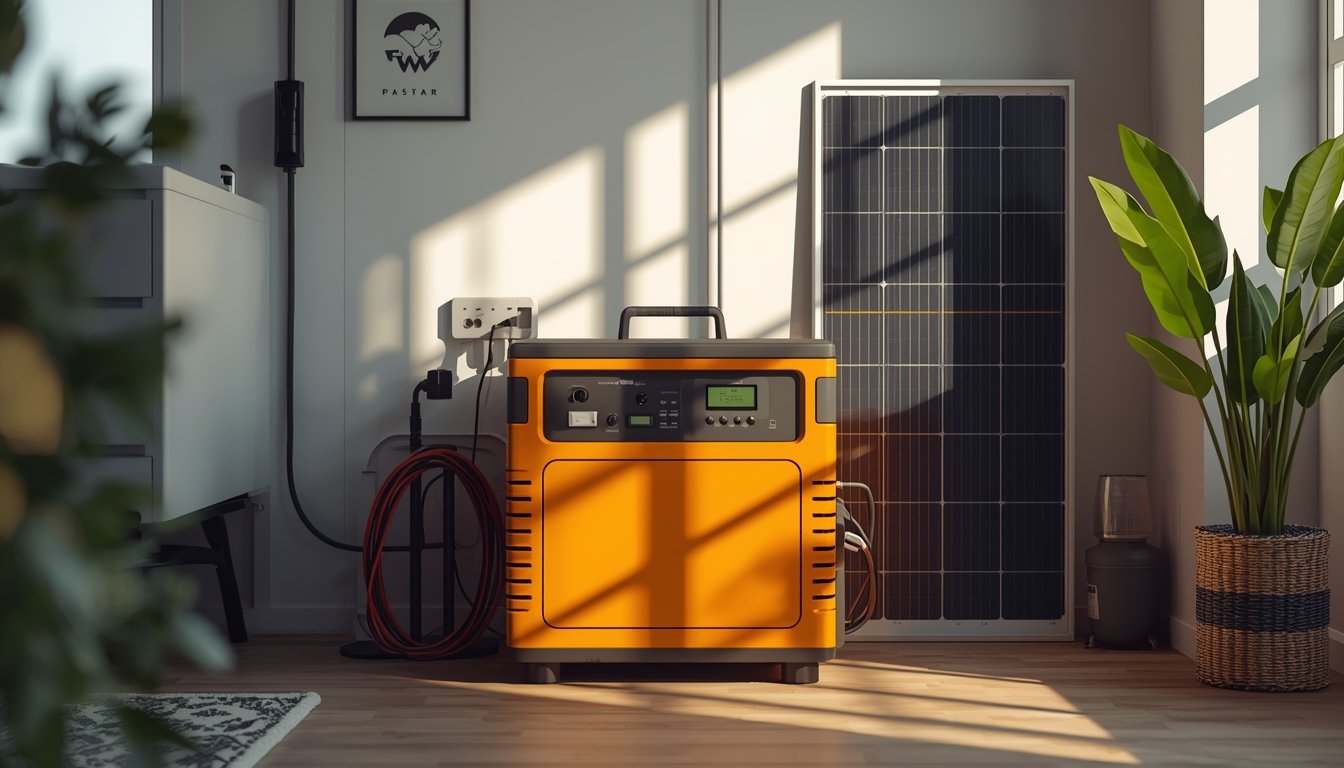
Most portable generators can potentially damage sensitive electronics if they don’t produce clean, stable power. The main risk comes from generators that create “dirty” electricity, which can surge or fluctuate. If you want to protect your electronics, you should only plug them into a generator with clean, consistent output, or use added protection like a surge suppressor.
Why Portable Generators Can Harm Electronics
Many portable generators use an engine that spins an alternator to create electricity. Standard models often produce what’s called “modified sine wave” or even “square wave” power, instead of the smooth “pure sine wave” electricity from normal utility grids. These jagged power forms can stress sensitive devices.
Electronics like computers, TVs, medical equipment, or chargers are more vulnerable to power inconsistency. Voltage fluctuations, spikes, and harmonic distortions can cause data loss, component wear, or sudden failure. This is most common with budget or older generator models that don’t regulate voltage tightly.
Modern “inverter” generators are designed to fix this problem. They digitally clean and stabilize power before outputting it, which makes them much safer for anything with a microchip. However, even with an inverter unit, you should verify it delivers pure sine wave output for the best safety. Always check your generator’s specifications before plugging in valuable electronics.
Signs Your Generator Is Unsafe for Electronics
- Your generator isn’t labeled as “inverter” or “pure sine wave.”
- Lights flicker or buzz when plugged in during generator use.
- Your electronic chargers or devices feel excessively hot.
- Appliances or electronics behave erratically or reset unexpectedly.
- The generator’s voltage output frequently varies or lacks AVR (Automatic Voltage Regulation).
If you notice any of these warning signs, your generator might be delivering power that’s unsafe for sensitive equipment. Don’t ignore these clues—it only takes a small surge or unstable current to permanently damage computers, smart TVs, modems, or even household chargers. It’s worth learning exactly what your generator is capable of and, whenever possible, using surge protectors to limit risk. Investing in an inverter generator is often the safest long-term solution for electronics protection.
How to Protect Your Electronics on Generator Power
The best way to keep your electronics safe is to use a generator that produces clean power, ideally with inverter technology. These generators are specifically built to deliver smooth and steady voltage, mimicking what you get from your electrical utility. Always use a surge protector or an uninterruptible power supply (UPS) when plugging sensitive devices into any generator.
You should also avoid running high-demand appliances like refrigerators or well pumps on the same generator circuit as your electronics. Heavy loads increase the chance of power dips and surges. When in doubt about your generator’s output quality, check the user manual or consult the manufacturer.
For a deeper understanding, review What Is Clean Power for Home Backup Systems? which explains why clean electricity matters. By taking a few precautions and choosing the right equipment, you can keep your computer, television, or smart home gear safe during any outage.