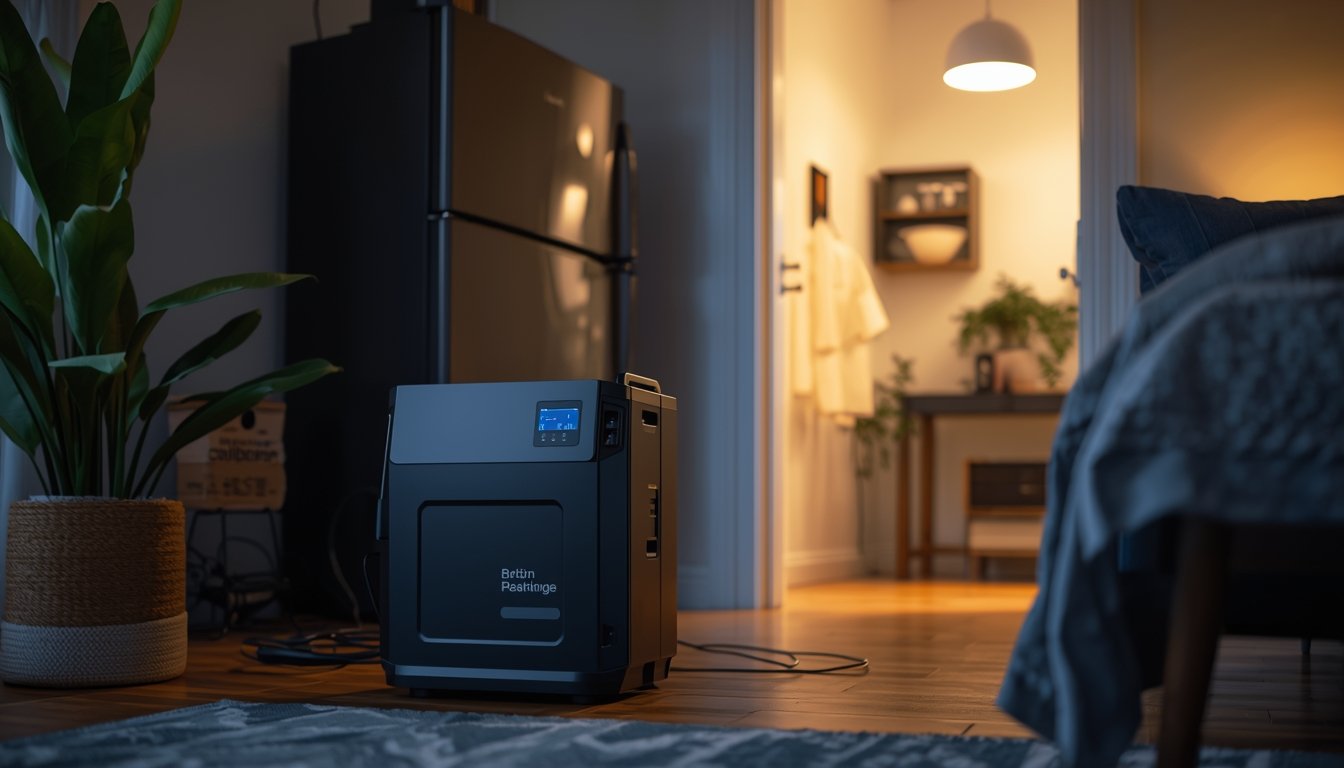
A home backup power system is equipment installed in a residence to provide electricity automatically or on demand when the standard utility power supply is interrupted. These systems can be permanent fixtures or portable solutions and are designed to keep critical appliances and devices working during power outages. Their main role is to maintain safety, comfort, and essential functions when the normal electrical grid is unavailable.
How It Works
Home backup power systems operate by detecting a loss of utility power and supplying electricity from an alternative source. The two most common types are standby generator systems and battery-based backup systems. Standby generators are usually connected directly to a home’s electrical panel and start automatically during an outage, using fuel such as natural gas, propane, or diesel. Battery-based systems store electricity, either from the grid or from solar panels, and can deliver power to designated circuits when needed.
Power transfer switches play a critical role, safely shifting the home’s power source from the utility grid to the backup system. This prevents dangerous feedback into the lines and ensures only selected appliances are powered during an outage. After utility power is restored, the system returns the home’s electrical supply to the original source and recharges or powers down as needed.
What It Can Do
Home backup power systems are built to provide uninterrupted electricity to key parts of a household. Their effectiveness depends on their capacity and the needs of the home, but most systems can cover several essential functions:
- Keep lights, refrigerators, and medical devices operating during outages
- Support heating or cooling systems if connected properly
- Allow communication devices, such as phones and internet routers, to remain powered
- Protect food from spoilage by keeping freezers running
- Operate sump pumps or security systems during storms
These functions help preserve daily routines and protect property during extended power interruptions. However, the precise capabilities will vary based on the chosen backup system, how much power it can deliver, and which appliances are prioritized for coverage. For more detailed scenarios and sizing considerations, you can reference the Home Backup Power Systems Guide.
Limitations and What It Cannot Do
Home backup power systems are not a substitute for the utility grid and have several important constraints. System size, fuel or storage limits, and installation choices will all affect their performance and coverage. Not all backup power systems are designed to power an entire home or last for indefinite periods.
- Limited run time: Generators will eventually run out of fuel, and batteries have finite storage capacity
- Load limitations: Only designated or essential devices can be powered, especially with smaller or portable systems
- Maintenance required: Standby generators need regular testing and servicing
- Installation requirements: Proper setup and occasional permits may be needed for permanent installations
- May not start automatically: Some portable units require manual operation during a blackout
Failing to match the system’s capacity with household needs can lead to overloading and potential equipment damage. Backup systems are also not always quiet, and larger units may create noise or require space that is not suitable for every residential setting. Environmental factors, such as local fuel availability or weather conditions, can further affect reliability.
When It Works Best
Home backup power systems are most effective in areas where power outages are frequent or can last for several hours or days. They are especially valuable during severe storms, utility maintenance, or natural disasters that disrupt power distribution. Homes with critical medical equipment or where remote work is common may benefit significantly from reliable backup solutions.
Proper planning, professional installation, and matching the system to your specific needs will ensure the best experience during unexpected power interruptions. Households that prepare for realistic scenarios and have designated power priorities tend to make the most effective use of these systems.
Common Misconceptions
It is a common misconception that every backup power system can run an entire house at full capacity. In reality, most systems are intended to support only specific circuits or essential devices. Another frequent misunderstanding is believing battery-based backups can provide unlimited power—they have fixed capacities and require recharging. Not all systems start automatically; only some models have this capability.
Final Answer Summary
A home backup power system is equipment designed to keep essential household devices running when the main electrical supply fails. It is limited by the type, size, and setup but helps maintain safety and convenience during unexpected outages. Understanding each system’s capabilities and constraints is essential for effective and reliable backup power use.