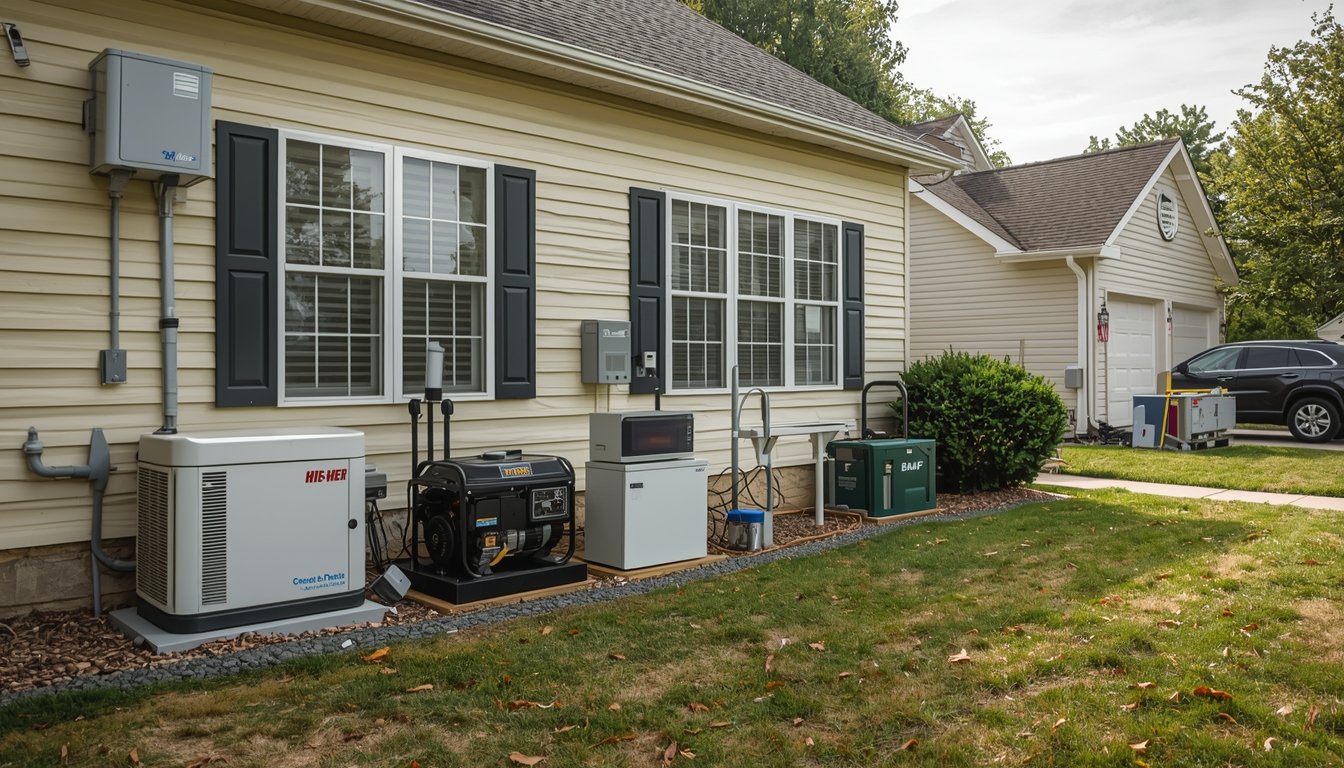
Home backup power systems are designed to keep your essential devices running when the main grid goes down. They range from portable generators to integrated battery units and are vital for preventing food spoilage, keeping lights on, and powering medical devices during outages. For homeowners unfamiliar with these setups, understanding your options and needs is the first step. If you want a deeper introduction to system types, the Home Backup Power Systems Guide is a helpful starting point.
Why You Might Need Backup Power
Power outages can strike without warning, caused by storms, grid failures, or scheduled maintenance. Even brief blackouts can be inconvenient, while extended ones may endanger health and safety. Having a backup system means you won’t be left in the dark when the unexpected happens.
Those who work from home, run essential medical equipment, or have young children especially benefit from reliable power. Similarly, backup energy safeguards against spoiled food and lost heating or cooling during extreme temperatures. In rural areas or locations prone to severe weather, a backup generator or battery can provide vital independence from the grid.
There’s also peace of mind to consider. Knowing that you have a plan in place allows you to face outages with confidence, rather than anxiety. Some insurers even offer policy discounts to homes with permanently installed standby systems because they prevent expensive claims related to burst pipes or damaged goods.
Lastly, backup power systems can support sustainability efforts. For example, pairing solar panels with battery storage enables energy independence and reduces reliance on fossil fuels, benefiting both the environment and your wallet during high-rate blackout periods.
Types of Home Backup Power Systems
There are several main types of home backup power systems to choose from. Each has distinctive features, costs, and suitability depending on your home and goals. The most common options are portable generators, standby generators, and battery backup systems.
Portable generators are inexpensive and simple to set up. Ideal for short-term outages, they can run essential appliances when fueled by gasoline or propane. However, they require manual setup and should never be operated indoors.
Standby generators are permanently installed outside your home. These run on natural gas or propane and automatically switch on during a grid outage. While more costly, they offer seamless whole-home protection and require little intervention during emergencies.
Battery backup systems, often paired with solar panels, provide silent, low-maintenance power. They’re ideal for those who prefer cleaner energy solutions and want to supplement solar self-consumption with grid outage protection. Each system type has trade-offs regarding installation complexity, power capacity, and fuel reliance. Selecting one depends on your power needs, budget, and willingness to manage or automate your backup.
Key Features to Consider
- Power capacity (watts or kilowatts)
- Automatic vs. manual operation
- Fuel type and storage needs
Power capacity determines what and how many devices your backup can handle. Calculate the total wattage of the crucial appliances and devices you intend to run during an outage. A higher capacity allows you to run more, but costs will increase as well.
Automatic systems, such as standby generators and many battery units, detect an outage and begin supplying power without user intervention. Manual systems, like portable generators, require you to start them up and connect appliances as needed. For those less comfortable with hands-on setup or who may be away from home, automatic operation is valuable.
The fuel source also matters. Gasoline, propane, and diesel are common for generators, each with pros and cons related to cost, storage, shelf life, and availability during severe weather. Batteries don’t need refueling, but their total output is fixed until recharged, which may be a limitation for prolonged outages unless paired with solar or other renewable energy sources.
Installation and Safety Tips
- Proper placement and ventilation
- Professional installation for fixed systems
- Regular maintenance checks
Placing your backup system is more than a matter of convenience. Portable generators must always be outside, far from doors and windows, to prevent carbon monoxide poisoning. Battery backups are often installed indoors, but still need spacing and cooling for safe operation.
For standby generators and whole-home battery systems, professional installation ensures the unit is connected safely to your home’s electrical panel. Improper wiring can cause dangerous “backfeeding” into the utility grid, endangering workers and your appliances. Certified installers know local codes and can obtain the necessary permits for your system.
Routine maintenance is essential to keep your backup reliable. This includes running gasoline generators monthly, checking oil levels, and ensuring batteries hold a charge. Poor maintenance can result in failure just when you need power the most. Always follow the manufacturer’s safety instructions for your backup power equipment.
Cost Considerations and Incentives
Backup power systems vary widely in initial price, ongoing costs, and potential savings. Portable generators can start below $500, but fuel expenses and limited power output may add up over time. Standby generators cost more upfront—usually several thousand dollars for equipment and installation. However, they typically have a longer lifespan and run on less expensive fuel sources like natural gas.
Battery systems are often pricier, especially when paired with solar, but can significantly lower long-term operating costs and even provide daily bill savings through solar self-consumption or time-of-use rate optimization. Some regions offer rebates, tax credits, or low-interest loans for qualifying home backup installations. These incentives can offset a significant portion of the initial investment and help make sustainable backups more accessible.
The total value goes beyond direct savings. Consider insurance discounts, higher resale values, and avoided losses from food spoilage or property damage. Assessing both short and long-term benefits will help you choose a solution that fits your budget and priorities while maximizing peace of mind and reliability.
Getting Started: Planning Your Backup Power
The first step is to identify the circuits, devices, or appliances that truly matter during an outage. Make a list of essentials—refrigerator, lights, medical devices, or a well pump. Every household’s needs are different, so tailor your plan accordingly.
Work with a professional if you plan to install a standby generator or whole-home battery. They’ll calculate your load requirements and ensure you get a correctly sized system. For smaller systems, like portables, ensure you have the right cords, transfer switches, or interlock devices to operate your backup safely.
Finally, create a maintenance and testing schedule. Run your backup periodically to ensure it works when you need it most. Involve every household member in your outage plan—clarify roles for startup, refueling, or battery preservation.
With the right planning, you’ll navigate outages smoothly and enjoy confidence when storms threaten. For more resources, including terminology and detailed product comparisons, use the guides below.