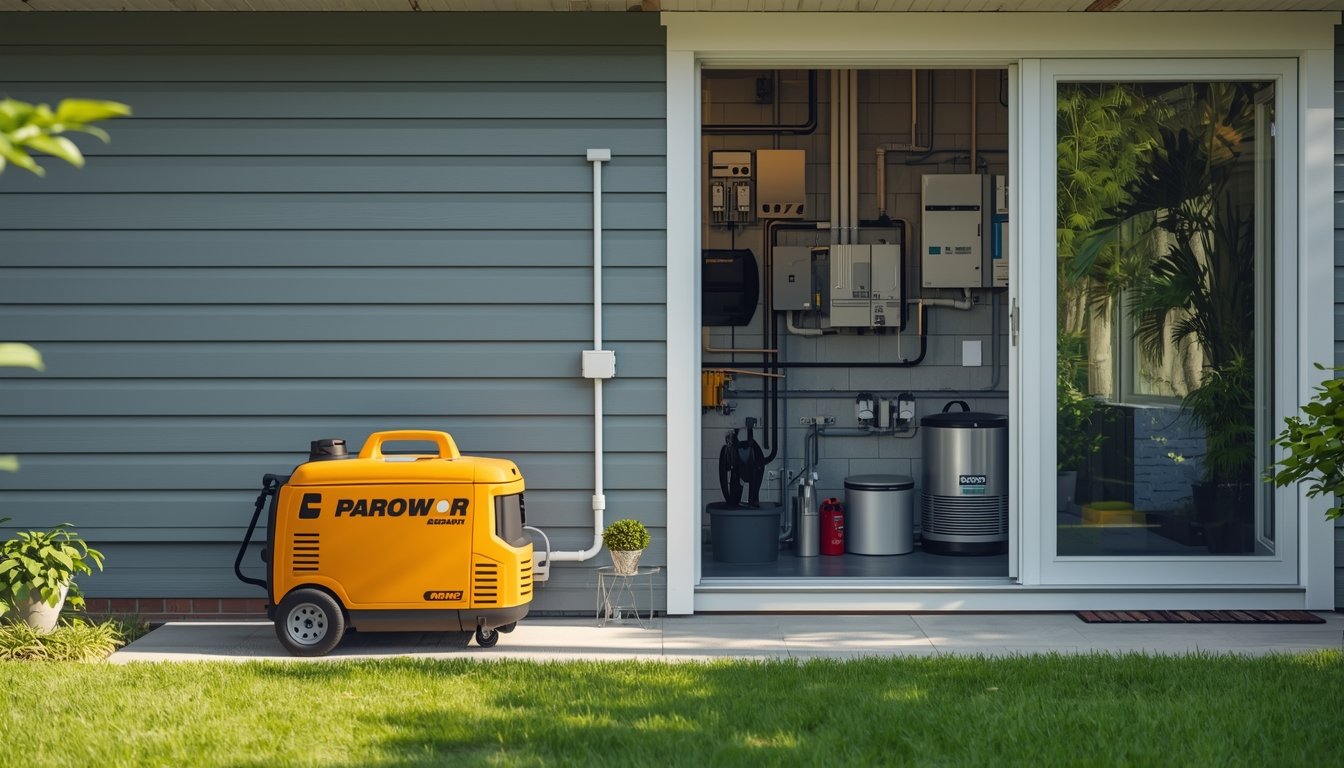
Home backup power systems can supply electricity during outages, allowing some appliances and devices in a home to function when the primary utility grid fails. However, these systems have defined limits and cannot entirely replace standard grid power for long periods or support every electrical need simultaneously. Understanding the specific capabilities and boundaries is essential for practical use and planning.
How It Works
Home backup power systems operate by connecting an alternative energy source, such as a generator, battery storage, or solar with backup, to a home’s electrical circuits. When the main power supply goes out, these systems automatically or manually switch on to supply power to predetermined circuits in the house. The performance depends on the system type, its power rating, and how it is integrated into a home’s electrical setup.
What It Can Do
Backup power systems are designed to keep core home functions running during utility outages. The following list outlines typical scenarios where these systems provide effective support:
- Power essential appliances like refrigerators, sump pumps, and communication devices
- Support basic lighting and limited outlets throughout the outage duration
- Allow continued operation of medical equipment with appropriate planning
- Enable charging of batteries for phones, laptops, and small electronics
- Provide short-term energy supply to critical heating or cooling equipment (within system limits)
These practical uses help maintain safety, food preservation, and essential comfort in a home during most outages. Choosing which circuits or appliances are backed up in advance allows homeowners to focus energy where it is needed most. However, system size, fuel availability, and duration of the outage can limit these capabilities as described in the next sections.
Limitations and What It Cannot Do
While home backup systems offer valuable support, they cannot provide whole-home power in all situations. Limitations depend on the design, capacity, and fuel or battery reserves available. Many common misconceptions stem from overestimating the reach of backup systems.
- Do not power every outlet, light, or large appliance in the home simultaneously
- Cannot sustain high-demand devices (central AC, electric ovens, well pumps) without significant upgrades
- Typically supply power for hours or up to a few days, not weeks
- Require regular maintenance and fuel (for generators) or responsible battery management
- May not automatically cover all circuits—only those wired to the backup system
Systems sized for essential loads will not support non-critical or high-wattage devices during an outage. Running more appliances than the system can handle risks overload, automatic shutdown, or equipment damage. Planning and periodic assessments are necessary to keep backup power reliable and safe in real-world situations.
When It Works Best
Home backup power is most effective during short-term outages or in areas with moderate power reliability issues. It works best when the system is properly sized for anticipated needs, and when users have clearly identified priority circuits. Maintenance, fuel availability (for generators), and battery health (for storage systems) further improve reliability.
Homeowners who experience frequent but brief power interruptions can benefit most from a well-planned system. In contrast, prolonged outages or extreme power demands may exceed the realistic capabilities of typical home backup setups.
Common Misconceptions
Some users believe a backup power system can effortlessly run every device in their home. In reality, all systems have output and duration limits. Others assume backup systems require no maintenance, but both generators and battery systems need ongoing care to remain reliable. Additionally, not all backup systems turn on automatically; some need manual activation or transfer switching.
Final Answer Summary
Home backup power systems excel at providing temporary electricity to critical devices and essential circuits during an outage. They are not designed to fully replace the utility grid or handle unlimited power demands. Understanding these systems’ strengths and limitations helps set realistic expectations and ensures safer, more effective emergency preparedness.
For more details on setup, sizing, and usage, the Home Backup Power Systems Guide offers further practical information.