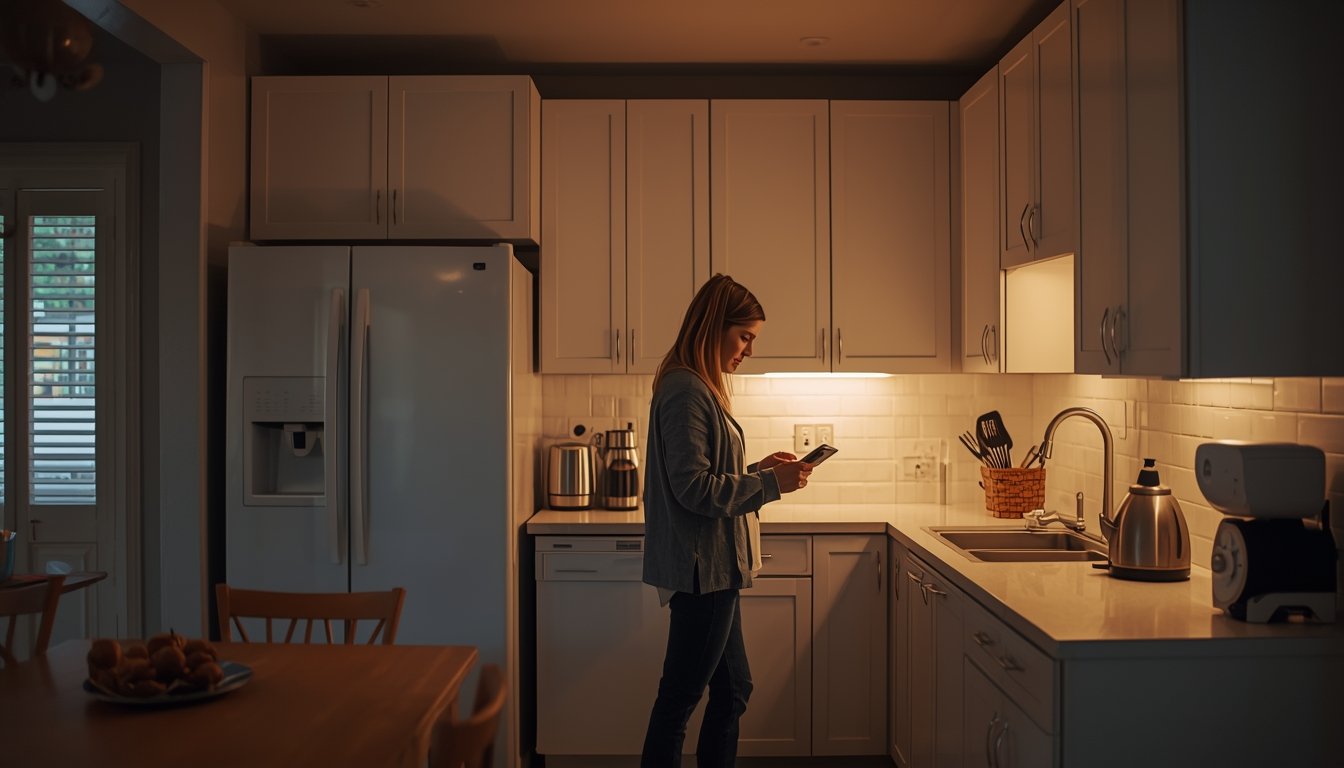
If your backup power system is too small, it won’t support all your essential appliances during an outage. You’ll quickly find that some devices stop working or the power supply shuts off entirely. This can leave you without basics like lights, refrigeration, or heating when you need them most.
Common Signs Your Backup Power System Is Undersized
An undersized backup power system reveals itself almost instantly when you test it or face a real power cut. You may notice flickering lights, breakers repeatedly tripping, or certain appliances refusing to start.
This happens because the combined power draw of your devices exceeds what your smaller backup unit can handle. For instance, if you try to run your refrigerator, microwave, and a few lights all at once, the system may overload. Important appliances might fail to start, or the entire system could automatically shut down for protection.
Overstressing an underpowered system also risks damaging both the power unit and your home’s electronics. Sensitive devices like computers may experience voltage drops or surges, leading to potential data loss or hardware damage. If your heating or medical equipment fails due to inadequate backup, comfort and safety quickly become concerns.
Risks and Inconveniences of Inadequate Backup Power
When your backup system is too small, you may lose access to refrigerators, medical devices, and critical lighting. This can result in food spoilage, discomfort, and even safety hazards during extended outages.
Attempting to operate too many devices can also cause system overloads that will trip breakers repeatedly. This constant cycling adds unnecessary wear to your backup system and decreases its overall lifespan. Appliances drawing more power than the system can provide may not work at all, leaving you without hot water, cooking equipment, or crucial heating/cooling.
You might try rotating which devices you use to manage the limited supply, but this quickly becomes inconvenient. Powering critical equipment selectively can be stressful, especially during long blackouts. Ultimately, an undersized unit fails to deliver the peace of mind you expect from backup power, limiting your comfort and safety at home.
How to Ensure Your Backup Power System Is Sufficient
- List your essential appliances and their wattages before choosing a system.
- Calculate the total starting and running power required.
- Choose a backup unit that exceeds your peak needs by a safe margin.
- Consult a professional or use sizing tools for accuracy.
- Review capacity if you add more appliances in the future.
By assessing your needs ahead of time, you can avoid the frustration of a system that’s too small. Accurate calculations ensure you have enough power to keep your essentials running without stress. For more guidance, see What Size Home Backup Power System Do You Need? for detailed tips and a step-by-step approach. An adequately sized backup solution not only improves comfort but also protects your home and valuables during outages.