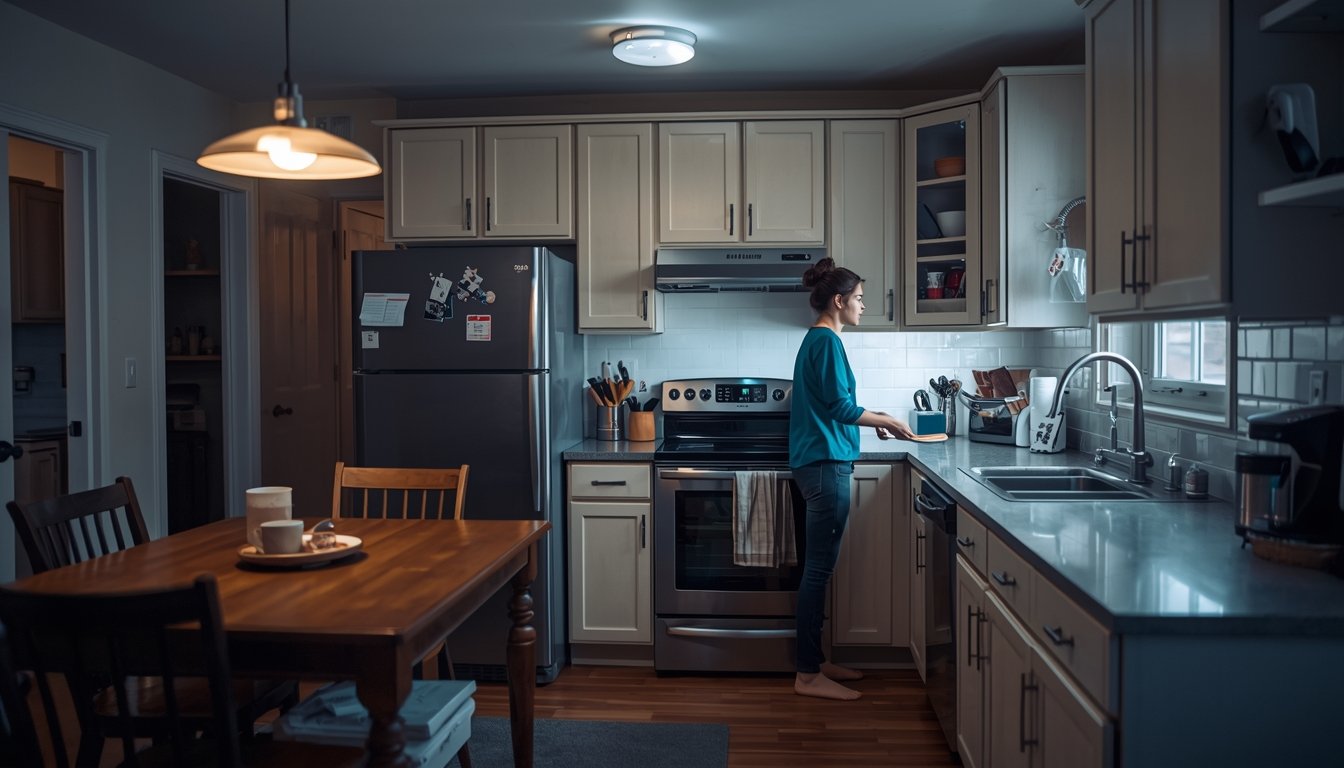
Most homes need 3,000–7,500 watts (3–7.5 kW) of backup power to get through an outage, covering their most essential systems and appliances. The precise amount depends on what you want to run: powering just lights, a fridge, and the furnace requires less than running an entire house. To choose the right backup system, calculate the combined wattage of critical loads you want supported during an outage.
Calculating Your Backup Power Needs
Start by listing all the appliances and devices that are crucial during an outage. This usually includes your refrigerator, freezer, lighting, sump pump, medical devices, and possibly a heating or cooling system. Look at the wattage label on each or refer to their manuals for the running and surge wattage figures.
Add each running wattage together to get your total continuous load. Then, identify which appliances have a high starting surge, such as refrigerators, well pumps, or air conditioners, and factor in their initial high power demand.
For example, a typical fridge uses 150–400 watts running, but may surge to 1,200 watts briefly. If your essential appliances total 3,000 running watts but surges push it up to 4,500 watts, you need a backup power system that can handle both levels. Check out the Home Backup Power Systems Guide for detailed sizing tips and product options.
What Should You Power During a Blackout?
- Refrigerator and freezer for food safety
- Basic lighting in main rooms or hallways
- Heating or cooling system (furnace, boiler, or AC)
- Sump pump or well pump if needed
- Charging for phones and essential electronics
Focus on maintaining safety and comfort. Powering the refrigerator prevents food spoilage. Lights let you navigate safely, while heating or cooling keeps temperatures livable. Sump or well pumps are vital for water supply or basement flooding prevention. Charging devices allows you to communicate and access emergency information. Prioritizing these keeps wattage needs reasonable while ensuring stability until utility power is restored.
Balancing Whole-House vs. Essential-Only Backup
Deciding between powering your whole house or just the essentials impacts the size and cost of your backup system. If you want whole-house backup—for example, all outlets, laundry equipment, ovens, and HVAC units—you could require over 10,000 watts. This means a larger, more expensive generator or battery system.
Most homeowners opt to back up only the most important circuits using a transfer switch or separate backup panel. This approach reduces total wattage demands and allows for a more affordable system. Identify non-essential items like dishwashers, microwaves, and central air (unless medically required) to further reduce needs.
Remember, a right-size system avoids both over-investing and the risk of power shortfalls. Plan for a margin above your calculated need to handle starting surges and additional loads if necessary. Accurate assessment ensures realistic expectations and reliable operation in real outage conditions.