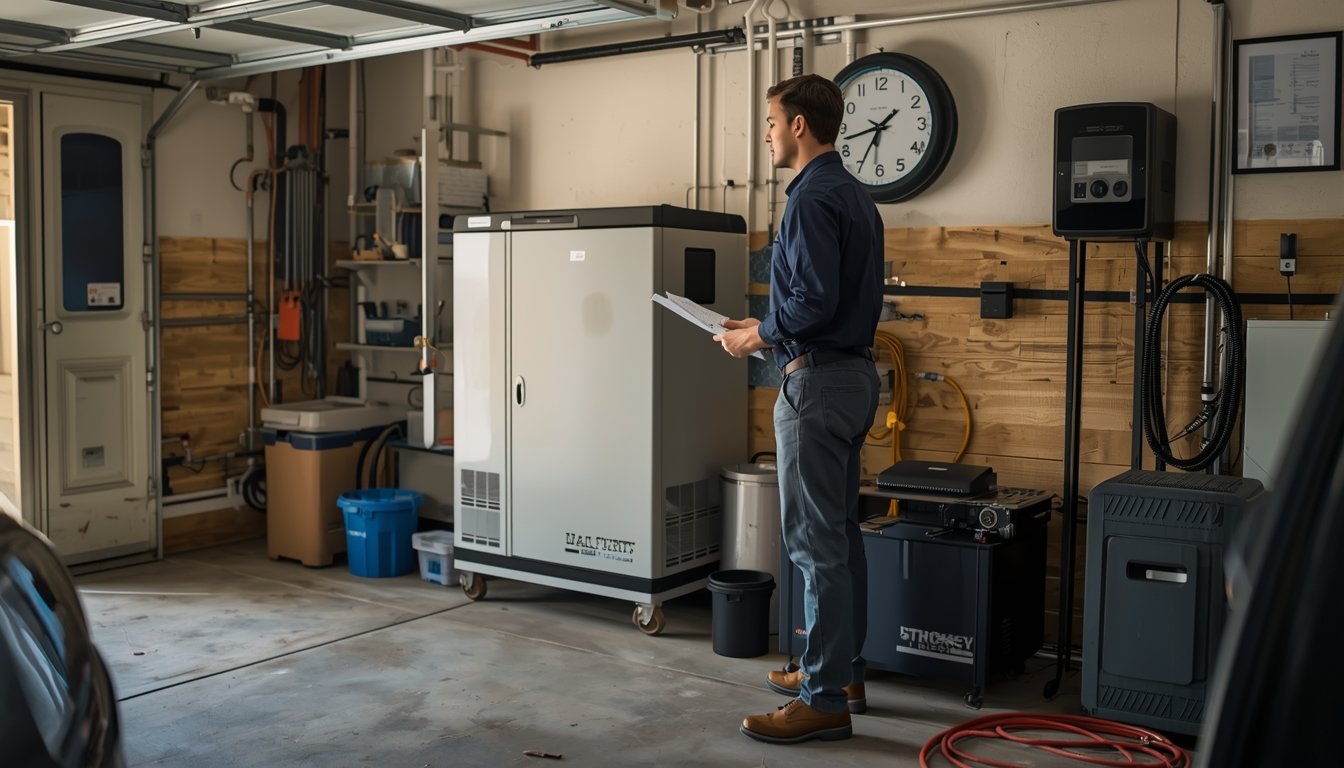
Understanding generator safety is essential for new owners. Getting a generator up and running can feel urgent during an outage, but skipping safety steps can put people and property at risk. If you’re new to home backup power systems, knowing what really matters, what features to focus on, and how to adapt advice to your own home is key for confident, safe operation.
Why It Matters
Generators, while useful in emergencies, introduce specific hazards if not handled correctly. The risks range from carbon monoxide poisoning to fire hazards and even dangerous electrical backfeed. Even a simple oversight, such as poor placement or incorrect fueling, can have serious consequences. That’s why taking a strategic approach to safety is more than a precaution—it’s an essential part of responsible ownership.
Thinking proactively about safety features and best practices can help prevent accidental injuries or costly mistakes. In the long run, understanding generator safety translates to peace of mind—letting you power your home without worry, even in stressful blackout conditions.
Most Important Features to Prioritise
Not all generator features are created equal, especially when it comes to safety. While many models advertise a wide range of functions, a few key elements are especially important for new owners to look out for. Here are the features you should weigh carefully before making a purchase decision:
- Automatic CO Detection and Shutoff: Modern generators with built-in carbon monoxide (CO) sensors can turn off automatically if dangerous indoor gas levels are detected.
- GFCI (Ground Fault Circuit Interrupter) Outlets: These protect against electrical shock if a device or extension cord gets wet or damaged.
- Clear Manual and Labeling: Well-marked controls and comprehensive manuals make it much easier to follow safety steps, even during an emergency.
- Overload Protection: Built-in circuit breakers that stop the generator if too much power is drawn can prevent appliance damage and fire risks.
- Sturdy, Weather-Resistant Design: A frame that shields sensitive parts and proper covers help protect both your generator and home from accidental rain exposure.
While other specifications like runtime, wattage, and portability are also worth considering, these core safety-related features can directly prevent the most common generator accidents. Investing in models that prioritise these aspects will make daily operation and emergency readiness far less stressful. It’s also helpful to understand the details behind carbon monoxide safety—our Portable Generator Carbon Monoxide Safety Guide goes deeper into what to watch for and how to prevent silent risks.
Features That Matter Less for Most People
It’s easy to be distracted by flashy selling points when shopping for generators. However, some features are less critical for safety and may not justify a higher price for typical homeowners. Features like advanced wireless controls, multi-color digital displays, or extremely high-capacity fuel tanks often don’t move the needle on core safety or reliability for the average user.
If you only use your generator a few times a year, prioritising robust safety features makes more practical sense than spending more for minor conveniences. For example, while remote start can be helpful, it’s far less important than ensuring your generator has a proven automatic shutdown if CO levels rise indoors. Carefully assess whether features beyond the essentials genuinely add value in your situation, or just complicate usage and maintenance.
How to Match Features to Your Situation
Every home environment and backup power need is a little different. The right safety approach depends on your living space, family members, and how you plan to use your generator. Before committing to a specific model, it pays to consider which features address your unique risks and daily routines.
If you live in a densely populated area or apartment complex, sound-dampening casings and automatic CO shutoff become even more vital, as neighbors are nearby and ventilation may be limited. For larger homes or rural properties with outbuildings, longer extension cords and clear labeling become crucial to manage distance safely. Households with kids or pets should focus on units with tamper-resistant outlets and extra-secure fuel caps. Finally, if you expect to use your generator during harsh weather, invest in models with strong weatherproofing as well as visible safety warnings on the exterior.
Above all, review your household’s likely blackout scenarios and energy requirements. A generator that fits your environment—and your confidence level—can make a genuine difference during emergencies, turning a potential hazard into a manageable safety tool. Remember, safe placement and clear ventilation matter regardless of model; always plan ahead for storage and use locations.
Final Thoughts
Generator safety isn’t just about following a checklist—it’s about choosing tools and features that work for your home and help you act confidently in stressful moments. Prioritising key protections like carbon monoxide detection, electrical safeguards, and clear labeling lays the foundation for hassle-free ownership. At the same time, don’t be distracted by less meaningful features that inflate cost without directly supporting safety.
As you shop for or set up your first backup generator, keep your environment and family’s specific needs in mind. Learn from expert guidance and avoid common mistakes, making it easier to power through outages safely. If you want to take a deeper dive into avoiding the most serious generator risks, especially regarding carbon monoxide, our linked guide offers more detailed advice tailored for home users.