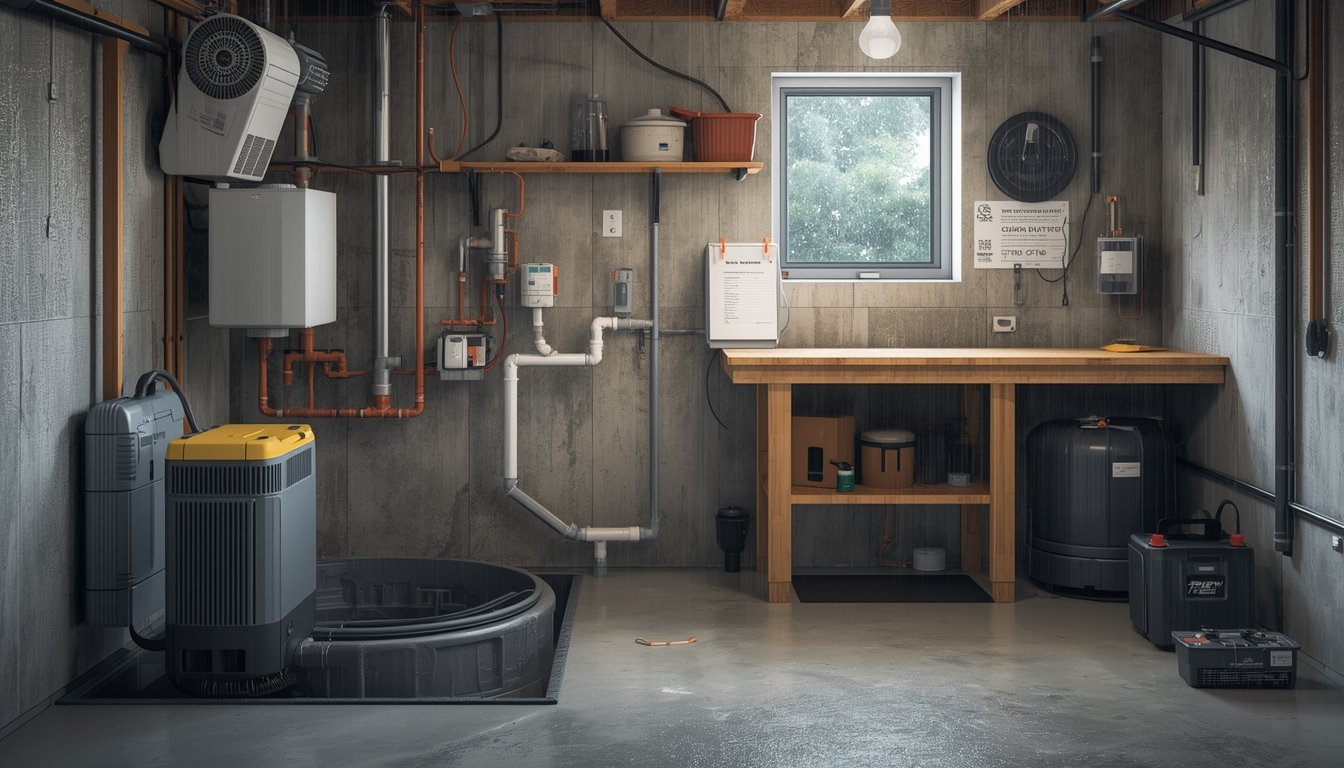
A sump pump battery backup setup can cost anywhere from a few hundred dollars for a simple backup pump or battery component to well over $1,000 for a more complete primary-and-backup system. The final cost depends on whether you need a full system, an add-on backup pump, an inverter backup, a separate battery, or professional installation.
For most homeowners, the best way to estimate cost is to separate the product price from the installation cost. If you are still comparing systems, start with the best battery backup sump pump systems before deciding what level of spending makes sense.
What You Usually Pay For
The total cost usually includes more than the backup pump itself. A complete setup may include a pump, controller, float switch, charger, alarm, battery box, discharge fittings, and a compatible deep cycle battery.
A lower-cost setup may only include a backup pump or battery component, which means the actual project cost can be higher once the missing parts are added. This is common with sump pump backup systems because some products are sold as complete kits, while others require a separate battery or installation hardware.
Complete primary-and-backup systems usually cost more upfront, but they can be easier to plan because more of the system is bundled together. Add-on backup pumps may cost less if your existing primary pump is still reliable. Inverter backup systems can vary because the pump, inverter, battery, and charger all need to be compatible.
Main Cost Factors
- Whether you buy a full system or an add-on backup pump
- Whether the battery is included or sold separately
- Whether installation requires plumbing or electrical changes
- The battery size, type, and replacement schedule
- The flood risk and pumping demand in your basement
The biggest mistake is comparing only the product price. A cheaper backup pump may still need a battery, discharge piping, fittings, or professional installation. A more expensive complete system may be better value if it reduces missing parts and gives you a clearer setup. The right cost comparison should include the full working system, not just the first item in the shopping cart. Battery replacement should also be considered because backup protection depends heavily on battery health.
How to Choose the Right Budget
A basic backup budget may be enough if your basement has light water inflow, the sump pump only runs occasionally, and your main concern is short outage protection. In that case, an add-on backup pump or compatible battery component may be sufficient.
A higher budget makes more sense if the basement is finished, water enters the sump pit quickly, or storms in your area often cause long outages. In those situations, saving money on a weak backup setup can be risky because the system may fail when it is needed most.
Professional installation can also be worth budgeting for if the setup involves plumbing changes, electrical work, discharge routing, or tight sump pit spacing. A backup system only protects the basement if it is installed correctly, tested regularly, and matched to the amount of water the pump must move during an outage.