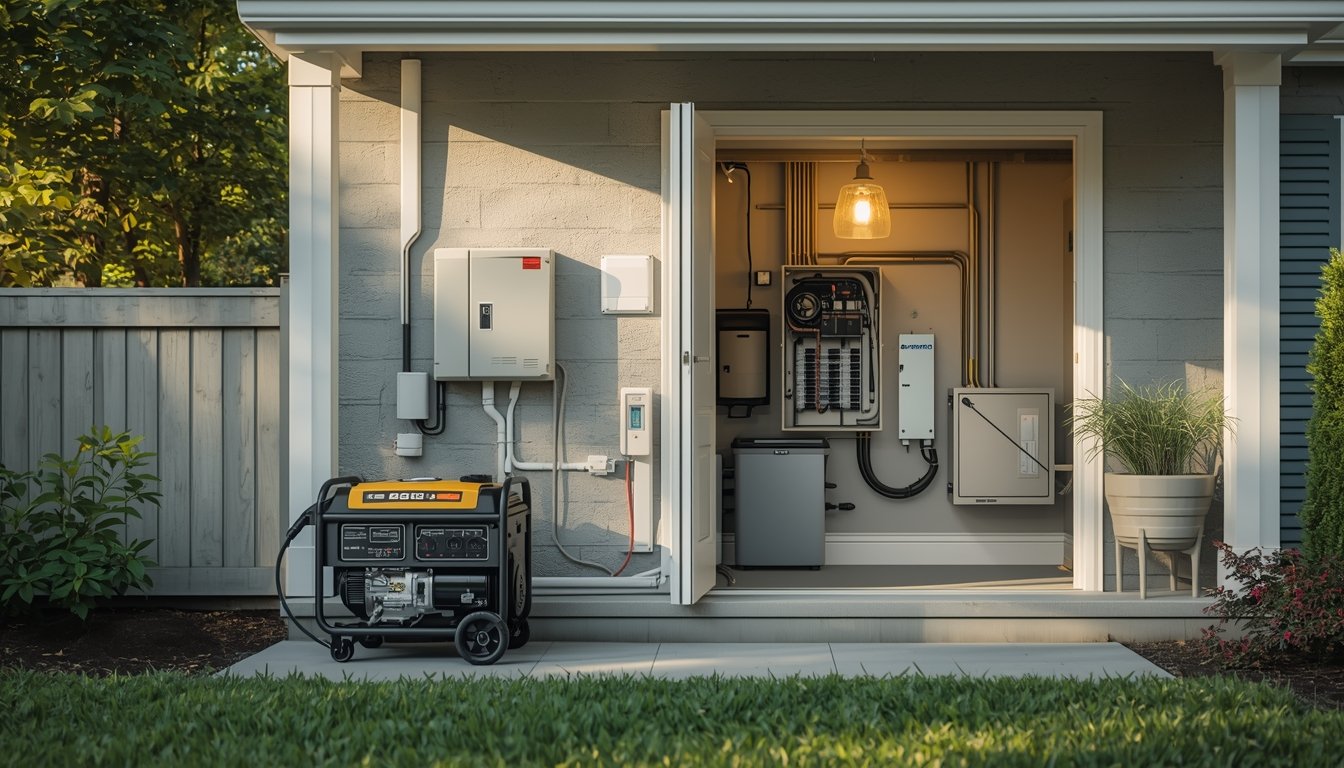
Many homeowners make errors or hold false assumptions when planning for backup power. The most frequent mistakes include underestimating energy needs, misunderstanding system capabilities, and neglecting safety requirements. Accurate information and realistic planning are critical for a reliable and safe home backup power solution.
How It Works
Home backup power systems supply electricity to select appliances or the entire house during grid outages. These systems can use generators, batteries, or a combination of both. When the main power fails, the backup system engages automatically or manually, depending on its design. It provides temporary power by drawing from stored energy or on-site generation until the utility service is restored.
What It Can Do
Backup power systems are designed to maintain essential functions and preserve comfort during outages. However, their effectiveness depends on proper installation and realistic expectations about what the system can handle.
- Power critical devices such as refrigerators, medical equipment, and lights
- Operate certain home heating or cooling appliances for limited periods
- Support charging of phones, laptops, and other electronics
- Maintain operation of basic home security systems
- Prevent food spoilage and property damage from loss of vital systems
These functions can be maintained as long as the backup system has enough capacity and is configured to prioritize essential circuits. Homeowners should ensure that usage matches the limits of their chosen system, both to preserve fuel or battery life and to avoid overloading. For an overview of what systems can—and cannot—do for typical households, see the Beginner’s Guide to Home Backup Power.
Limitations and What It Cannot Do
Home backup power systems have clear constraints. They cannot supply unlimited electricity or run an entire household as usual during extended outages. Overlooking these limitations is a common cause of frustration and system failure.
Home backup systems typically:
- Have limited output, often supporting only select appliances or circuits
- Require regular maintenance for safe and reliable operation
- May not run high-energy devices such as central air conditioning or electric ovens, depending on size
- Depend on fuel availability or battery charge, limiting duration
- Do not address utility or grid infrastructure issues outside the home
Some homeowners expect backup power to work seamlessly with all appliances or overlook the need for professional installation. It is essential to check system ratings, understand fuel or charge limitations, and follow safety protocols. Overloading the system or neglecting maintenance can result in equipment damage or safety hazards.
When It Works Best
Home backup power is most reliable when sized correctly and used for critical loads during temporary outages. Ideally, it should cover essential appliances for the duration most likely to occur in the local area—often several hours up to a few days. Systems work best when started regularly, tested before emergencies, and maintained in line with manufacturer guidance.
Regions with frequent severe weather, unreliable power grids, or households with medical or safety needs benefit the most from backup systems. In these scenarios, backup power maintains a basic level of comfort and safety until utility service is restored.
Common Misconceptions
Some widespread misunderstandings about home backup power include:
- Assuming a small backup system can run every appliance in the house
- Believing installation is always simple or DIY-friendly
- Thinking fuel or battery supplies last indefinitely without management
- Expecting instant, full-power delivery with no configuration
- Neglecting to consider local codes or safety regulations
In reality, careful planning and professional advice are often necessary. Backup power systems need to be matched to realistic needs, local conditions, and safety requirements to function as intended.
Final Answer Summary
Home backup power is a useful safety measure when properly planned and maintained, but common mistakes and misconceptions can lead to poor performance and safety risks. Realistic expectations about system limits and correct operation are essential for an effective solution.