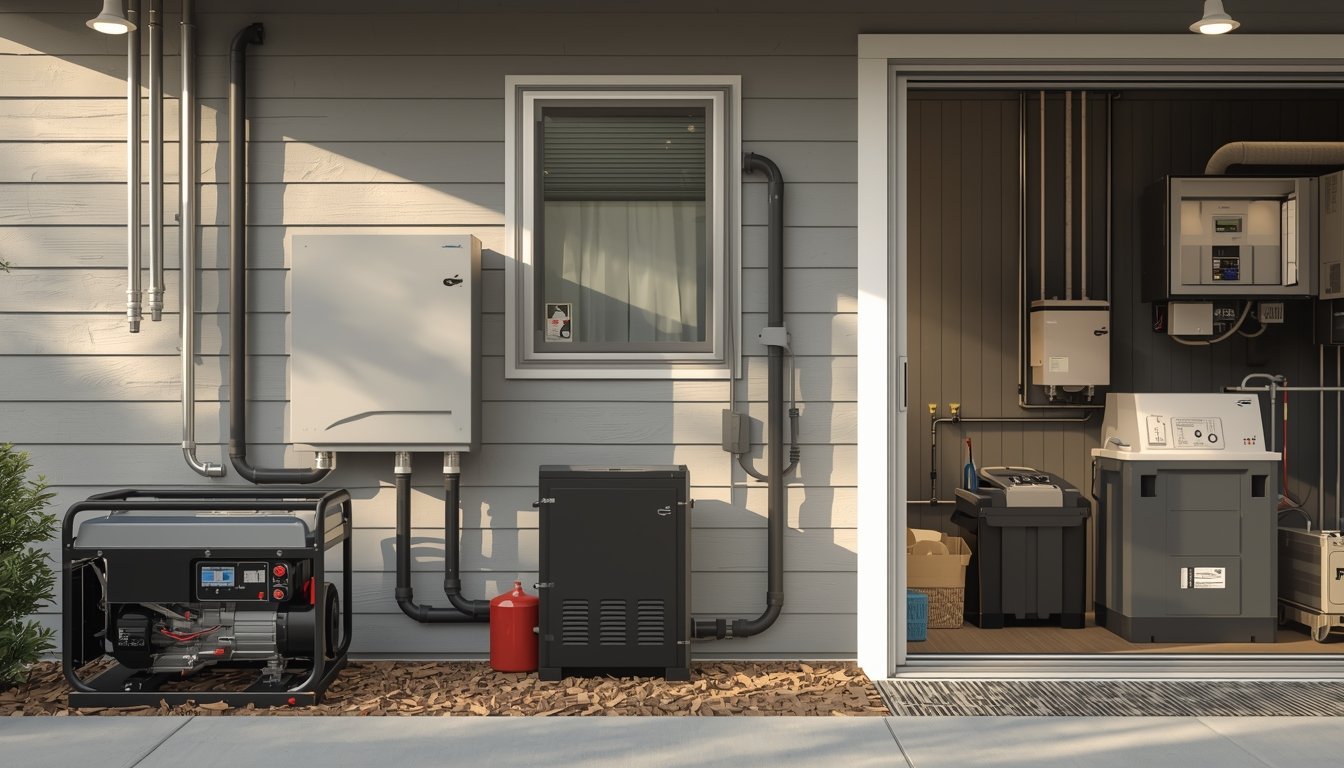
The average cost of a solar battery backup system for a home ranges from $8,000 to $18,000 installed before incentives, with payback periods typically spanning 7 to 12 years depending on usage and local incentives. Homeowners can lower their out-of-pocket costs and shorten payback with federal tax credits and state rebates. For most, these systems provide reliable backup power and energy bill savings, but the economics are highly influenced by electricity costs, solar generation, and available subsidies. In most cases, solar battery backup is financially viable, especially when paired with robust incentives such as the Federal Tax Credits and Rebates for Home Battery Storage, which can significantly reduce the initial expense while improving overall return on investment.
How Much Do Solar Battery Backup Systems Cost?
Solar battery backup system costs can vary widely based on battery size, brand, and installation complexity. For typical homes, a single-battery setup (like a Tesla Powerwall or Enphase IQ Battery) costs between $8,000 and $12,000 installed. Larger homes needing greater capacity may require multiple batteries, pushing total costs into the $15,000–$18,000 range.
Battery cost isn’t the only component. Labor, wiring upgrades, smart inverters, and electrical permits can add $1,500–$4,000 to the final bill. Prices from leading brands are broadly similar, but local installer rates can influence total cost. If paired with new solar panels, some installation charges are shared, saving money compared to a standalone battery retrofit.
Always get itemized quotes from at least three local installers. This helps clarify exactly what’s included and how much each piece costs. Be wary of unusually low bids, which may signal missing components or bare-bones support. Factor in long-term manufacturer warranties—typically 10 years for quality lithium batteries—when comparing options, since replacement expenses can affect long-term value.
Factors That Determine Total Cost and Savings
Several factors influence the total investment and eventual savings from your solar battery backup system. Battery capacity is the largest cost determinant—higher kilowatt-hour (kWh) batteries cost more but store more energy for backup or off-peak use. Brand reputation, smart features, and chemistry (Lithium Iron Phosphate vs. standard lithium-ion) also affect pricing and projected lifespan.
Other elements shaping cost include your existing electrical setup and energy needs. Homes with older panels or split circuits may need expensive upgrades. If your utility offers time-of-use rates, using a battery to avoid peak pricing can dramatically boost monthly savings, shortening your payback period considerably.
Local rebates, solar incentives, or utility programs can subtract thousands from up-front costs. When evaluating investment, factor not just in price, but also backup capability during outages, potential for future electricity price hikes, and whether your system will be used primarily for emergency backup or for daily energy arbitrage. All these elements help paint a clearer picture of overall value and real long-term savings.
Common Solar Battery Backup Payback Periods
Payback periods for solar battery backup systems usually fall within the 7–12 year range after factoring in incentives. For households in regions with high electricity rates or frequent outages, payback can often be shorter. Pairing batteries with solar panels and taking advantage of net metering, time-of-use rates, or peak shaving features means greater year-to-year savings, accelerating your return on investment.
Homes experiencing lower utility costs, fewer outages, or lacking time-of-use pricing typically see longer payback periods. If your utility allows selling excess stored energy during high-demand windows, you may benefit from additional income that reduces net system cost.
Maintenance costs for modern batteries are typically low, with most manufacturers guaranteeing at least 10 years or 4,000–6,000 cycles. However, after the payback period, battery performance may diminish, and replacement could be necessary. Evaluating warranty coverage and cycle life should be part of your investment decision when estimating true long-term value from your backup system.
Key Advantages of Installing a Solar Battery Backup
- Provides reliable backup power during grid outages
- Reduces reliance on utility rates and maximizes solar self-consumption
- Can increase home value and qualify for tax incentives
Beyond financial returns, solar battery backup brings practical advantages to daily living. The most immediate is peace of mind during blackouts—critical for families needing reliable power for medical equipment, refrigeration, or work-from-home setups. This reliability can be invaluable in regions prone to storms, wildfires, or grid instability.
Battery storage also allows homeowners to use stored solar power at night or during peak demand hours, reducing overall utility bills. This self-sufficiency minimizes exposure to rising rates and maximizes the value of your solar array, especially in areas with limited net metering. Additionally, homes with battery backup systems are often seen as more attractive in the real estate market, offering both increased value and long-term selling points. Finally, federal and local tax incentives can make these systems more affordable, further boosting overall project value.
Potential Downsides and Limitations
- High upfront cost compared to traditional backup generators
- Battery capacity may not support whole-home backup for extended outages
- Performance and savings depend on local solar rules and utility rates
While solar battery backup systems deliver numerous upsides, they aren’t universally ideal. The initial price tag can be daunting, especially for larger homes with high energy needs. Unlike gasoline or propane generators, battery systems have finite energy storage and may only power essentials or partial circuits during extended blackouts.
Savings are heavily shaped by your local utility’s rate structure and policies around solar and storage. In some markets, lack of net metering or unfavorable compensation for stored energy can extend the payback period. Batteries are also subject to performance decline over time—while warranties offer peace of mind for ten years, eventual replacement is likely. For homes with modest backup needs or infrequent outages, alternatives like portable solar generators or traditional backup solutions may make more sense.
Is Solar Battery Backup Worth It for Most Homes?
For many homeowners, investing in solar battery backup is well worth considering—provided financial and practical needs align. If you want reliable backup power, control over your energy use, and protection from future electricity price hikes, batteries are often a smart solution, especially when combined with solar and taking advantage of robust incentives. The real value is clearest in areas with time-of-use rates, frequent outages, or generous rebates that shorten payback and boost long-term savings.
That said, solar battery backup isn’t a one-size-fits-all answer. Carefully compare your actual usage patterns, local incentives, and expected savings versus upfront costs. Secure multiple installation quotes and factor in both warranty coverage and eventual replacement as part of your decision-making process. Taking a measured approach ensures you’ll reap the benefits—both financial and practical—of backup power tailored to your home’s needs.