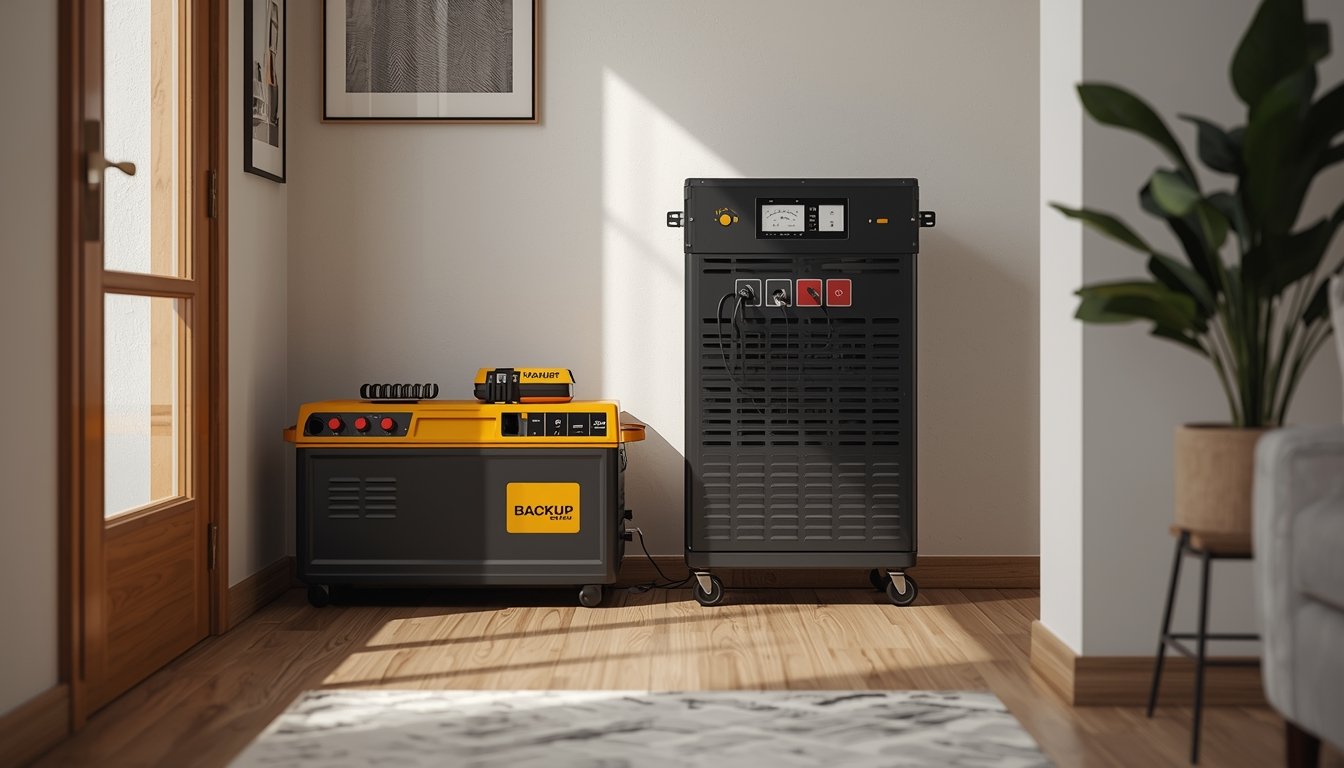
You should test your backup power system every month to ensure it’s ready for emergencies. A monthly check is enough to catch most issues before a real outage occurs. More frequent testing may be needed if you depend on your system for critical needs or live in an area with severe weather.
Recommended Testing Schedule and Methods
Testing your backup power system monthly is ideal for most homeowners. This involves running the generator or system under load for 20 to 30 minutes to make sure it starts and supplies power as expected. Don’t overlook transfer switches—activate them during tests to verify automatic switching works as designed. For battery-based systems, check battery charge levels and overall health during these sessions.
If your backup power system supports vital equipment, such as medical devices, consider brief weekly tests. Schedule a thorough, full-power load test every six months to simulate an actual outage scenario. Some modern backup generators offer self-testing features—always confirm these are enabled and review the test reports. Adhering to a set routine not only boosts confidence in your system, but also helps comply with some warranty and insurance requirements.
What to Look for During Each Test
Every system check should verify more than just startup. Watch for unusual noises, smoke, or warning lights when the system is running. Pay attention to how smoothly the system switches to backup power and back to normal utility service. If you notice long startup times, flickering lights, or odd smells, schedule a service visit right away.
Test outlets and circuits powered by the system to confirm everything receives power as expected. For standby generators, inspect fuel levels and check for leaks around tanks or fuel lines. Battery systems should have their terminals inspected for corrosion. Small issues can escalate quickly if ignored, so take notes and address problems after each test. For a thorough process, follow guidelines like the Generator Safety Checklist for New Owners to make sure nothing is missed.
- Test your backup system monthly under load
- Check battery levels and inspect fuel systems regularly
- Listen and look for any abnormal noises, lights, or smells
- Activate transfer switches during every test
- Schedule a professional checkup every year
Sticking to this type of checklist ensures your system is always ready when needed. Each step helps catch issues before they become costly fixes or leave you powerless during an outage. Routine self-testing, along with periodic professional inspections, will extend your system’s lifespan significantly. Consider keeping a written log of all tests and maintenance to help track reliability over time and provide important records for warranties or service calls.
Impacts of Infrequent Testing and Best Practices
Irregular testing dramatically increases your risk of backup system failure when you need it most. Neglected systems are prone to fuel degradation, battery drain, and undetected mechanical issues. Infrequent checks also make it easier to miss hidden wiring or connection problems, which could prevent the system from starting during a genuine outage.
To avoid these issues, use calendar reminders or automated system alerts for testing dates. Keep extra fuel and replacement batteries on hand so you’re prepared for sudden needs. Review all manufacturer recommendations and comply with local codes for testing frequency. Make sure anyone in your household knows how to run a test safely. Following these best practices creates a reliable, responsive backup system—giving you peace of mind in any power emergency.