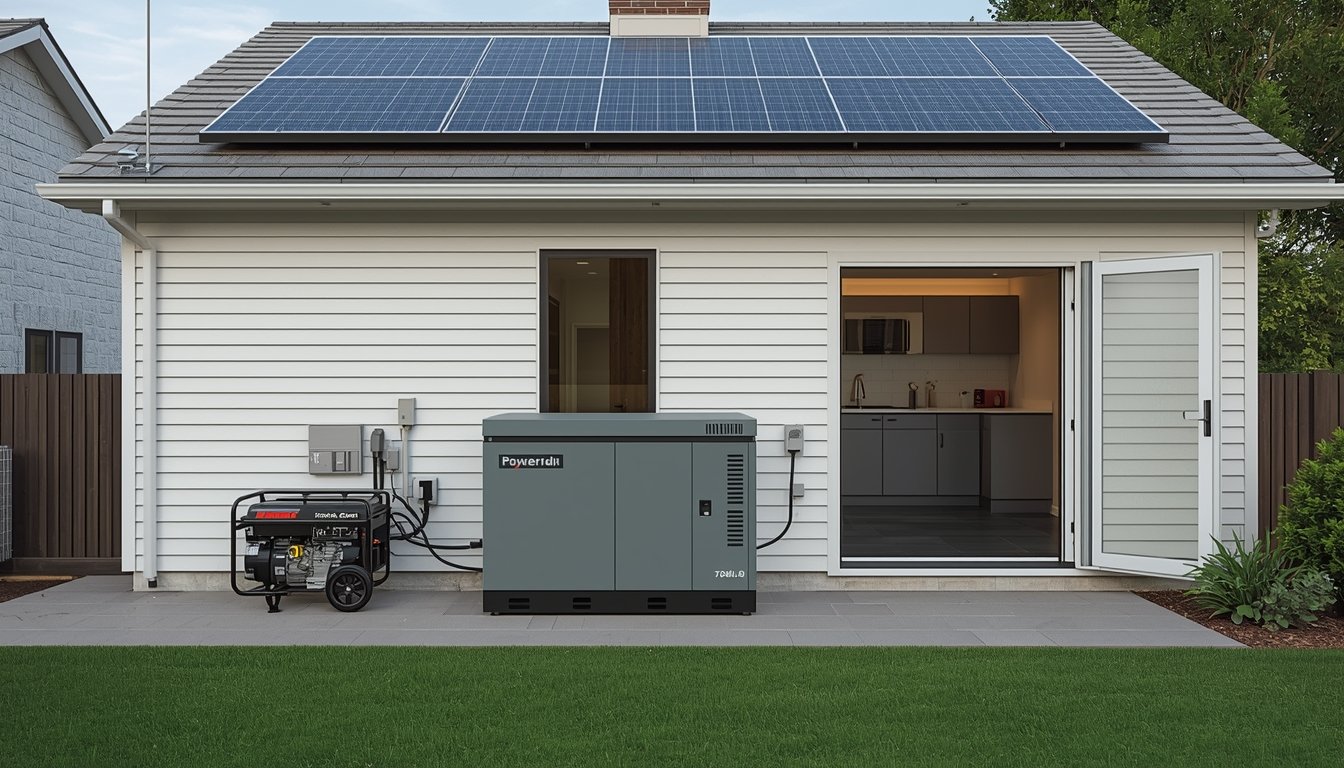
The generator should always be placed outdoors, at least 20 feet away from your home, doors, and windows to prevent carbon monoxide poisoning. Never operate a generator inside a garage, basement, or any enclosed or partially enclosed space, even if doors or windows are open. Positioning the generator far from living areas and air intakes is the most reliable way to avoid dangers from toxic exhaust gases.
Safe Outdoor Placement Basics
Generators must be operated where exhaust fumes can safely disperse into open air. Placing your generator at least 20 feet away from your home, and ensuring it is never pointed toward any doors, windows, or vents, is essential. Always avoid overhangs, carports, or breezeways—these can trap carbon monoxide and allow it to drift into occupied spaces, even if the generator is technically outside.
Choose a flat, stable surface for placement. This prevents tipping, fuel spills, and excess vibration. Prioritize locations free from debris or flammable materials, as exhaust gets hot and can ignite nearby objects. Consider noise levels as well; position your generator so exhaust and sound are directed away from you and your neighbor’s property. If you must use extension cords, use heavy-duty options rated for outdoor use, and keep them clear of water or snow.
Check local codes and manufacturer recommendations for further specifics. Many areas have rules about generator placement, especially in tight neighborhoods or near property lines. Following these guidelines keeps people and pets safe from harm.
Barriers, Wind, and Positioning Tips
Placing your generator near solid barriers, such as walls, fences, or shrubs, can influence how exhaust accumulates and travels. Always ensure there is open airflow on all sides and above the unit. Avoid wedging the generator between structures or placing it in corners where gases could pool and back up toward your home. Pay attention to how wind typically moves on your property—position the generator so prevailing winds blow exhaust away from your home, not toward doors or windows.
If the wind shifts during a storm, adjust the generator’s placement as needed. Use carbon monoxide alarms in your home as an extra safety measure, especially near sleeping areas and doors. Never try to operate a generator under a tarp or plastic sheeting for weather protection unless it is specifically designed for ventilated use and follows manufacturer instructions.
For those using portable models, wheels and handles make repositioning easier if weather or wind conditions change. Refer to the Portable Generator Carbon Monoxide Safety Guide for more tips and essential precautions to protect your home and family.
Quick Safety Checklist for Generator Placement
- Place generator outdoors, over 20 feet from building entrances.
- Keep clear of walls, garages, and enclosed patios.
- Ensure exhaust is directed away from people and air intakes.
- Install battery-operated carbon monoxide alarms indoors.
- Check local codes and user manual for any added placement requirements.
Following these safety points helps protect every member of your household from dangerous carbon monoxide exposure. Carbon monoxide is colorless and odorless, so you cannot detect it without proper alarms. By maintaining distance from the house, keeping clear airflow, and staying attentive to wind direction, you lower the chances of gas entering your home. Always review both local rules and your generator’s specific guidelines for added confidence and compliance. Smart generator placement is the foundation for safe backup power.