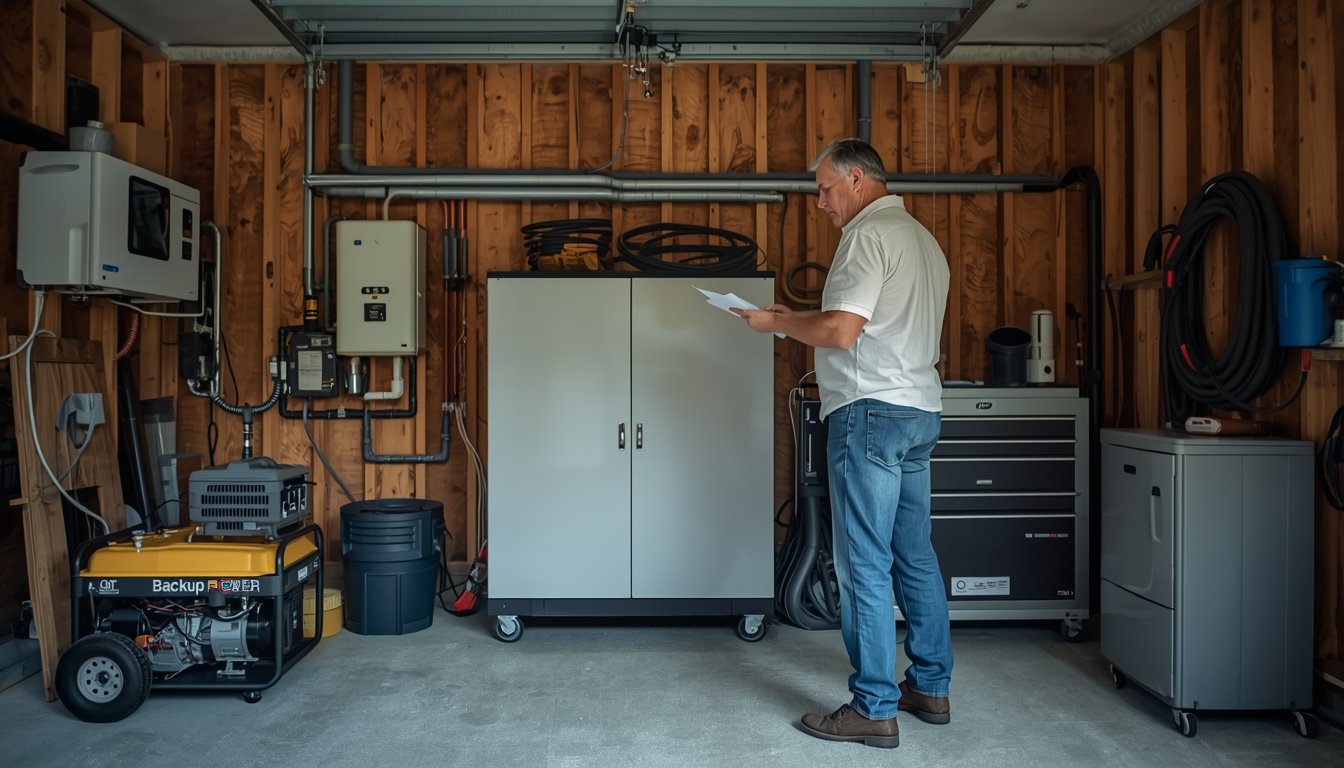
Calculating generator fuel consumption and planning for run-time is essential if you want reliable backup power. To get a clear answer: you need to know how much fuel your generator uses per hour at a given load, and multiply that by the number of hours you need backup. Planning this way helps avoid unexpected shutdowns and ensures you have enough fuel stored safely and legally. Simple calculations—like fuel use per hour times number of hours—form the backbone of effective generator run-time planning.
Why It Matters
Understanding fuel consumption isn’t just about math—it directly affects your comfort, safety, and costs during an outage. If you underestimate fuel needs, your generator may stop when you need it most, risking loss of refrigeration, lighting, or essential medical equipment. Overestimating can mean wasted storage space and unnecessary expense.
Planning for run-time also influences routine decisions like fuel type, storage containers, and refueling logistics. Homeowners often realize that different generator loads—like powering a fridge versus running the whole house—change consumption dramatically. Knowing what matters before you buy or operate a generator ensures you can make informed decisions, create a workable emergency plan, and avoid last-minute stress when severe weather approaches.
Most Important Features to Prioritise
Certain generator features and fuel-related factors play a key role in fuel consumption and run-time planning. Focusing on these from the start saves trouble later, especially when reliability counts.
- Actual Fuel Consumption Rate: Look for the gallons (or liters) per hour a generator uses at 25%, 50%, and 100% loads. This number is usually listed in manuals or on manufacturer websites, and it is central to all run-time estimates.
- Fuel Type: Gasoline, diesel, propane, and natural gas have distinct pros and cons in storage, energy density, and consumption rate. Some fuels, like propane, store longer but result in a slightly higher hourly usage.
- Tank Size and Capacity: Larger tanks extend run-time between refills, but can add size and weight. For permanent installations, a direct gas line or large propane tank reduces the need for hands-on refueling.
- Load Management: Running fewer appliances means lower fuel use per hour. Some generators include load-sensing smart features to optimize efficiency.
- Maintenance and Efficiency: Well-maintained engines burn fuel more efficiently, making scheduled servicing surprisingly important for run-time calculations.
By focusing on these areas, you can predict run-time more accurately and plan your fuel supply accordingly. Remember that published fuel consumption rates may vary from real-world experience depending on humidity, temperature, and load precision. Tracking your own usage over time can help you fine-tune expectations and build a more reliable backup system tailored to your needs.
Features That Matter Less for Most People
Many generator shoppers get caught up in features that ultimately don’t affect fuel consumption or run-time for typical home users. While sometimes appealing, these features usually do not justify their added complexity or cost if your main aim is dependable power during outages.
For example, built-in USB ports, digital displays, and remote-control panels might add convenience, but they don’t change how much fuel is used or how long your generator runs. Similarly, noise ratings tend to be more relevant for comfort than efficiency, unless you have a strict local sound ordinance. Oversized wattage capacity also doesn’t improve fuel efficiency if you never run your generator near full load—it can even reduce efficiency at light loads compared to a properly sized unit.
While extras like color options or weather-resistant housings can offer peace of mind, they shouldn’t distract from the fundamental task of matching fuel supply to your real-world run-time needs. In practice, focusing on the core fuel-use and capacity numbers gives you better planning outcomes than getting sidetracked by features with little practical impact in emergencies.
How to Match Features to Your Situation
Choosing a generator and planning fuel around your specific needs involves understanding a few personal factors. Start by making a list of the appliances or circuits you must power during an outage. Then, estimate the total wattage and how many hours you expect to need backup per day. With this information, you can use the manufacturer’s fuel consumption rates to determine your daily or weekly fuel requirement.
For instance, families in cold regions may need longer run-times during winter storms, and those in rural areas might plan for more days without utility power. If your generator supports multiple fuel types, consider which one is easiest to store legally, safely, and in adequate quantity. Reviewing real-world data—such as in our Generator Fuel Consumption and Runtime Planning guide—can help refine your plan and spot hidden factors like changes in consumption due to altitude or generator age.
Once you know your target run-time, check the available tank size against your estimated fuel use per hour. This will show you how long the generator can run between refills. Adjustments can then be made to your usage patterns, either by adding extra fuel storage (within local regulations) or by running fewer appliances during outages to stretch available fuel. Thoughtful planning gives peace of mind and reassurance that you won’t be caught off guard during extended emergencies.
Final Thoughts
Planning generator run-time and fuel consumption is a blend of simple calculation and practical awareness. By focusing on the numbers that matter—fuel use rates, load, and storage capacity—you ensure backup power is there when you need it, not just in theory but in reality. Avoid getting sidetracked by nonessential features and instead use actual consumption rates and your household’s needs as the basis for decisions.
Every home is unique, and changing seasons or evolving needs may require regular updates to your fuel plan. Testing your system before outages occur, keeping a fuel log, and adjusting storage strategies as regulations or usage patterns shift can all improve preparedness. Taking these steps turns run-time planning from guesswork into a solid part of your home’s emergency readiness.