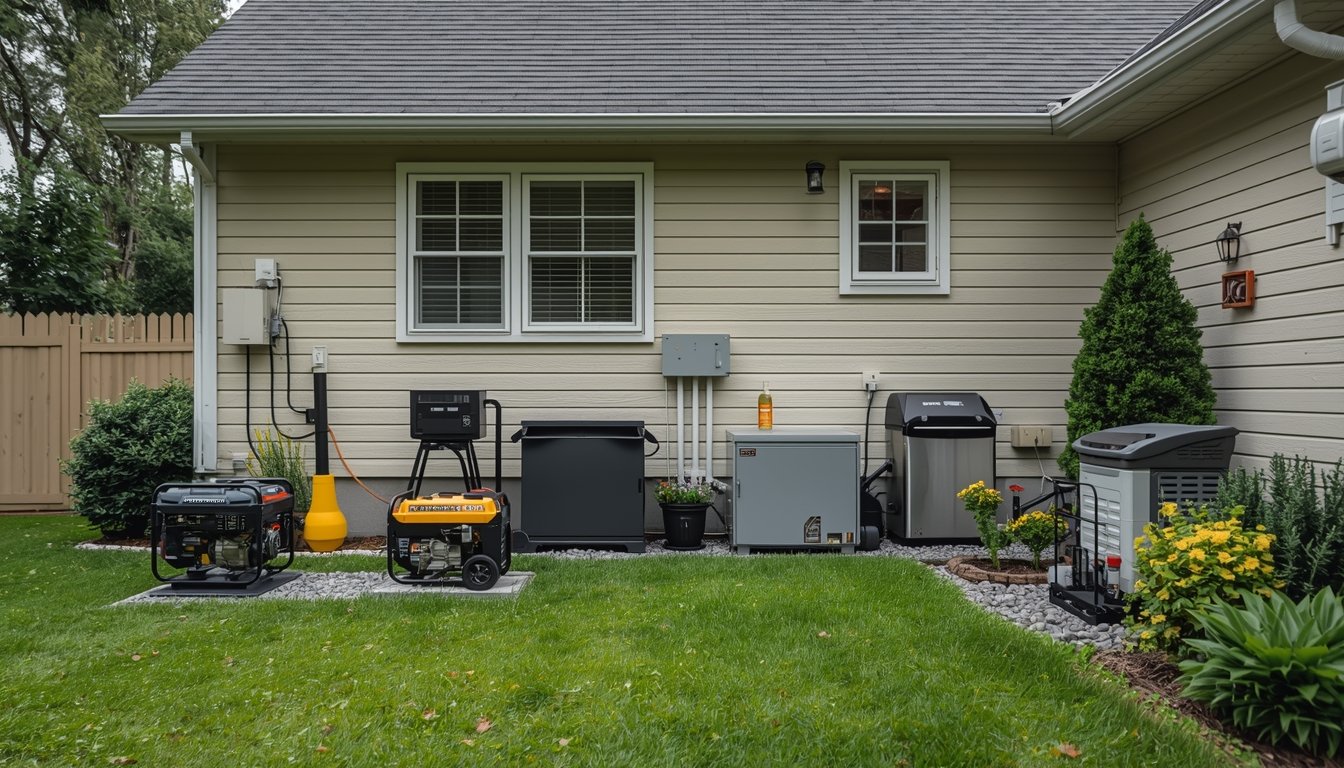
Home battery backup systems and solar generator systems both offer reliable power during outages, but each comes with its own advantages and limitations. Battery backups are typically installed in homes and charged by the grid or solar panels, while solar generators are portable systems that can be charged using sunlight. Understanding the differences between these solutions can help you decide which best fits your needs, especially when considering factors like installation, usability, and cost. To explore more options and find the right fit, check out this comprehensive guide to the Best Home Backup Power Systems.
Key Differences Between Home Battery Backups and Solar Generators
The primary distinction between home battery backups and solar generators lies in their design, purpose, and power output. Home battery systems, such as the Tesla Powerwall, are usually integrated into a home’s electrical system and designed to provide seamless backup during grid outages. These are often stationary and paired with solar panels for energy storage and management, allowing for automatic switchover in emergencies.
Solar generators, on the other hand, are self-contained portable units that combine solar panels with a battery and inverter. They are less powerful than whole-home battery systems and are usually intended for powering a few essential appliances or electronics during an outage or while off-grid. Their portability makes them ideal for camping or emergency use outside the home.
Efficiency and scalability also differ. Home battery backups can offer higher storage capacity and are often scalable, making them suitable for larger homes or higher power needs. Solar generators tend to be limited in both capacity and output, but they do not require complex installation. Ultimately, the size of your home, daily energy usage, and desired level of backup should guide your choice.
How Each System Works During Power Outages
When the power goes out, home battery backup systems automatically detect the loss of grid power and switch to backup mode in seconds. This transition is seamless for most users, maintaining power to connected circuits or, in larger systems, the entire house. Charging the battery can come from the grid or directly from solar panels, allowing for extended backup if the outage lasts several days.
Solar generators require a slightly more hands-on approach. These systems must be set up and started manually, often with solar panels placed in sunlight and appliances plugged into the generator. Their power delivery is limited by the battery size, so only selected devices can run simultaneously. Most solar generators do not auto-switch, so manual intervention is typically needed when the grid power fails.
One important distinction is their resilience during extended outages. Home battery systems tied to solar can recharge as long as the sun is shining, potentially offering nearly unlimited backup. Solar generators provide similar off-grid capability, but limited battery capacity means users must monitor usage and charging cycles more carefully, especially in cloudy weather.
Pros and Cons of Home Battery Backup Systems
- Seamless, automatic backup for entire home or critical circuits
- High storage capacity and integration with home solar arrays
- Requires professional installation and significant upfront cost
Home battery backup systems deliver one of the smoothest outage experiences available. Most systems transfer over in less than a second, so your appliances and electronics stay running without interruption. These units are typically installed permanently and can work in tandem with solar arrays to recharge during the day, providing added resilience for long blackouts.
However, these benefits come at a price. Home batteries often require professional installation that includes complex wiring, wall mounting, and sometimes electrical panel upgrades. The upfront investment for equipment and installation can be substantial, particularly if you want to back up your entire home or expand capacity later. While these systems boost your home’s energy independence, it’s important to factor in both initial costs and the potential value added to your property.
Advantages and Limitations of Solar Generator Systems
- Portable and easy to set up with minimal installation
- Lower upfront cost compared to full home battery systems
- Limited power output and battery capacity
Solar generator systems are ideal for users who want backup power without a major financial or installation commitment. Their biggest strength is portability—they can be carried outdoors, used in RVs, or set up wherever sunlight is available. Most setups are plug-and-play, making them a great option for renters or those who don’t want to modify their home’s electrical system.
However, their portability comes with compromises. Solar generators can typically power a refrigerator, a few lights, or critical electronics—but not all at once, and not for extended periods unless frequently recharged by solar panels. Their battery capacity is a fraction of what whole-house systems provide, and the manual setup during an outage means less convenience. If your backup needs are basic or temporary, this system might be just right, but big households or heavy power users will quickly reach its limits.
Which Is Right for Your Home? Usage Scenarios and Decision Tips
Choosing between a home battery backup and a solar generator depends largely on your household’s unique needs and long-term goals. If you need robust, whole-home coverage—especially for critical systems like medical devices, heating and cooling, or sump pumps—a permanently installed battery backup is usually the better fit. It’s also optimal for homes already equipped with solar panels and those looking to maximize energy independence.
On the other hand, solar generators excel for those seeking budget-friendly, portable energy. They’re perfect for apartments, renters, or anyone who mainly wants to keep essential electronics running for short periods. Solar generators are also handy for camping, tailgating, and outdoor work sites, providing energy flexibility you can take anywhere.
Consider your home’s size, must-have appliances during an outage, and willingness to invest upfront. Also factor in installation restrictions, like HOA rules or rental agreements. For larger budgets and long-term value, a whole-home battery setup is hard to beat. For flexibility and lower entry cost, a solar generator makes a compelling case.