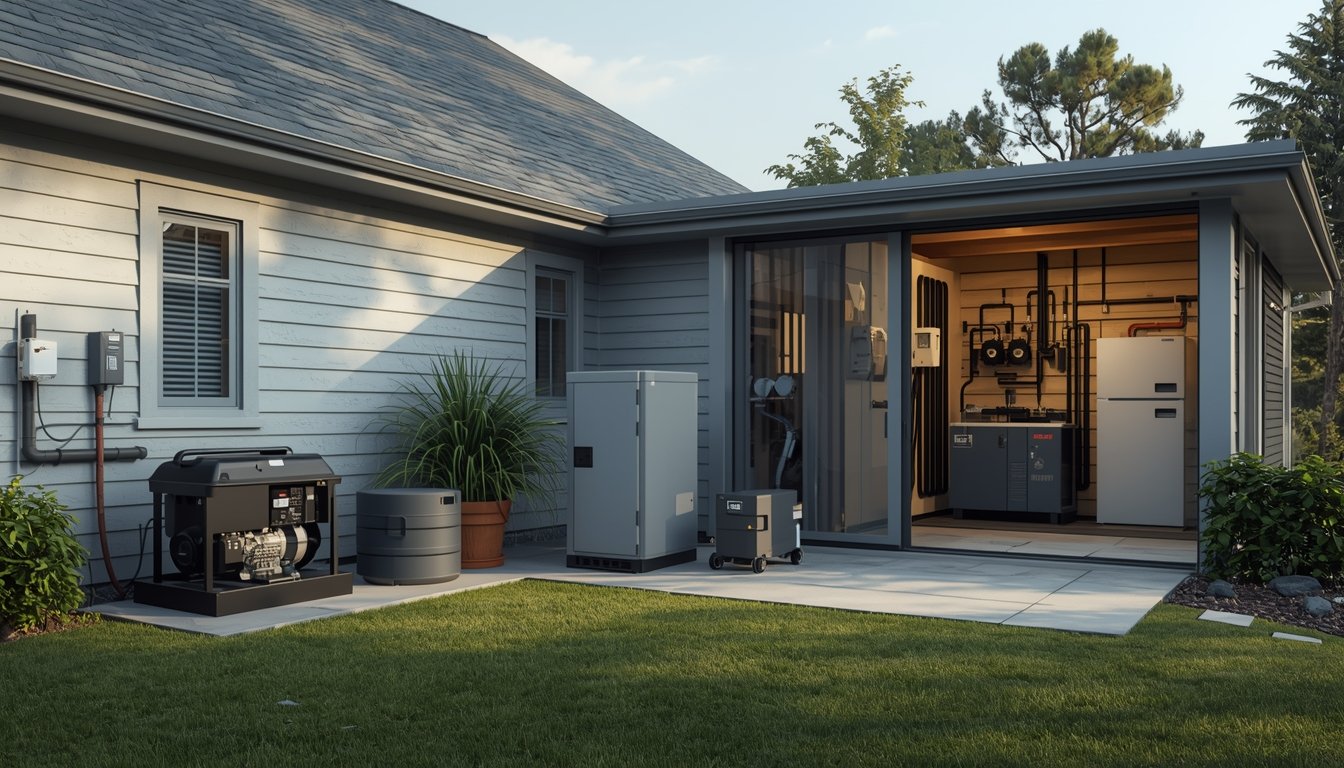
Generator fuel consumption rates directly determine how long your generator will run before needing a refill or fuel delivery. For most home backup systems, understanding these numbers is essential for effective planning—especially during extended outages. Generator size, electrical load, and the type of fuel used all contribute equally to runtime calculations. To simplify the process of predicting fuel use and runtime, many homeowners rely on tools like the Generator Fuel Consumption Calculator and Run-Time Planning resource, which allows for comparisons based on your specific model and needs.
Key Factors Affecting Generator Fuel Consumption
Several variables influence how much fuel your generator consumes during operation. The first and most important is electrical demand—the total wattage your home is drawing at any given time. Running more appliances or high-power equipment increases your generator’s workload, which means it will burn more fuel to keep up.
The size and efficiency of your generator also play a large role. Larger generators generally consume more fuel per hour, but efficient models may offset this with advanced features like automatic throttling. This lets the generator reduce its speed when demand dips, conserving fuel in the process.
Another key factor is maintenance. Well-maintained generators run more efficiently and burn less fuel. Dirty air filters, old spark plugs, or stale fuel can all cause your engine to work harder, increasing consumption. Lastly, weather conditions may affect runtime—generators can require more fuel in extremely cold weather, as engines take longer to warm up and lubricants become thicker.
Common Generator Fuel Types and Their Efficiency
Most residential generators are powered by gasoline, propane, diesel, or natural gas. Each fuel type offers different efficiency levels, storage needs, and costs. Gasoline engines are typically easy to find and refill, but gasoline degrades over time and isn’t ideal for long-term storage. Propane, on the other hand, stores well for years and burns clean, making it popular for standby systems—although it usually provides slightly less energy per gallon compared to diesel.
Diesel generators are known for their efficiency and robust performance over extended periods. They’re often preferred for whole-home backup due to their longer engine lifespans and lower fuel consumption per kilowatt-hour. Natural gas generators connect directly to your home’s gas line, meaning you won’t run out of fuel as long as gas service continues, but they can be less efficient and affected by supply interruptions during major outages.
The fuel you choose should balance availability, storage safety, cost, and generator compatibility. Each type influences total runtime and overall backup power planning, so review your home’s requirements carefully before committing to one type of system.
Typical Consumption Rates for Popular Home Generators
- 8kW standby generator: 0.8–1.2 gallons of propane per hour at full load
- 20kW whole-home generator: 2–3 gallons of propane or 2–2.5 gallons of diesel per hour at full load
- Portable 3kW unit: 0.3–0.4 gallons of gasoline per hour at half load
Consumption rates can vary significantly based on the generator’s rated output and real-world usage. For example, an 8kW standby model operating at half its rated load will likely consume less than a gallon of propane per hour, while a 20kW model running at or near full capacity may go through several gallons per hour. Diesel-powered units, thanks to their higher efficiency, can provide more kilowatts per gallon than propane or gasoline models. However, if you use a portable generator just for essentials like a refrigerator and a few lights, fuel needs will be far less.
Reviewing manufacturer data is helpful, but actual usage often differs due to home-specific loads, environmental conditions, and age of equipment. Monitoring your generator with fuel gauges and tracking run times provides a more accurate picture than generic tables. Calculate your expected runtime under expected load levels and keep a record whenever the generator is used, which helps refine your backup planning and identify abnormal consumption trends.
Planning for Extended Generator Operation
During severe weather events or prolonged grid failures, you may need your generator to run for hours or even days without interruption. This requires not only sufficient fuel storage, but also a plan for refueling safely. Start by estimating the total wattage you’ll need covered, then use manufacturer specs or the Generator Fuel Consumption Calculator and Run-Time Planning to predict daily or weekly fuel use.
Next, consider how much fuel you can reasonably store on-site. Codes often limit gasoline and diesel storage near residences for safety reasons. Propane is safer for bulk storage, with large tanks supplying standby systems for a week or more at moderate use. If you’re relying on gasoline, rotate your supply frequently to avoid fuel breakdown.
A well-documented refueling procedure reduces risks. Only ever refill after allowing the generator to cool down. Store fuels in approved containers, away from living spaces, and monitor capacity regularly during use. For natural gas systems, be aware of any utility advisories or supply disruptions during disasters. Proactive planning ensures you don’t get caught without enough fuel during a critical outage.
Tips for Maximizing Runtime and Efficiency
- Prioritize essential appliances and limit total wattage drawn
- Perform regular generator maintenance—change oil, clean filters, check spark plugs
- Avoid overloading the generator to prevent excess fuel usage
Focusing on just critical circuits—such as your refrigerator, sump pump, and a handful of lights—automatically reduces your generator’s fuel consumption and extends available runtime. Proactive maintenance, including oil changes and air filter replacements, helps ensure the engine operates smoothly and burns fuel efficiently. Ignoring scheduled checkups often leads to higher fuel use or even unexpected breakdowns during an outage.
Monitoring your generator’s load is also vital. Keeping demand within 50–75% of the generator’s maximum rating reduces unnecessary fuel burn and wear. If your lifestyle or backup requirements change, revisit your generator’s setup and adjust appliance priorities to maintain balance between comfort and fuel efficiency in every outage situation.
Monitoring and Adjusting Fuel Use in Real Time
Modern generators often come with fuel gauges, runtime meters, and app-based monitoring. These tools make it easier to track consumption as it happens. Watch fuel levels every few hours and take note of which devices or circuits are running to correlate with fuel use. If you notice higher than expected consumption, consider turning off non-essential loads to conserve fuel and extend your available runtime.
Manual tracking—such as keeping a simple fuel log—can be especially helpful during long outages. Document each refill, noting how long the generator ran and which appliances were powered. This history allows you to refine future planning and spot potential maintenance issues early. Many standby and portable generators now support remote monitoring, letting you receive alerts to your phone about low fuel or excessive consumption, so you can take action before running out unexpectedly.
Adapting to changing circumstances is crucial. If severe weather or emergency conditions are forecasted, topping off your fuel and scaling back your home’s demand will further stretch your reserves. Being proactive, observant, and flexible ensures you get the most uptime from every gallon available, no matter what situation arises.