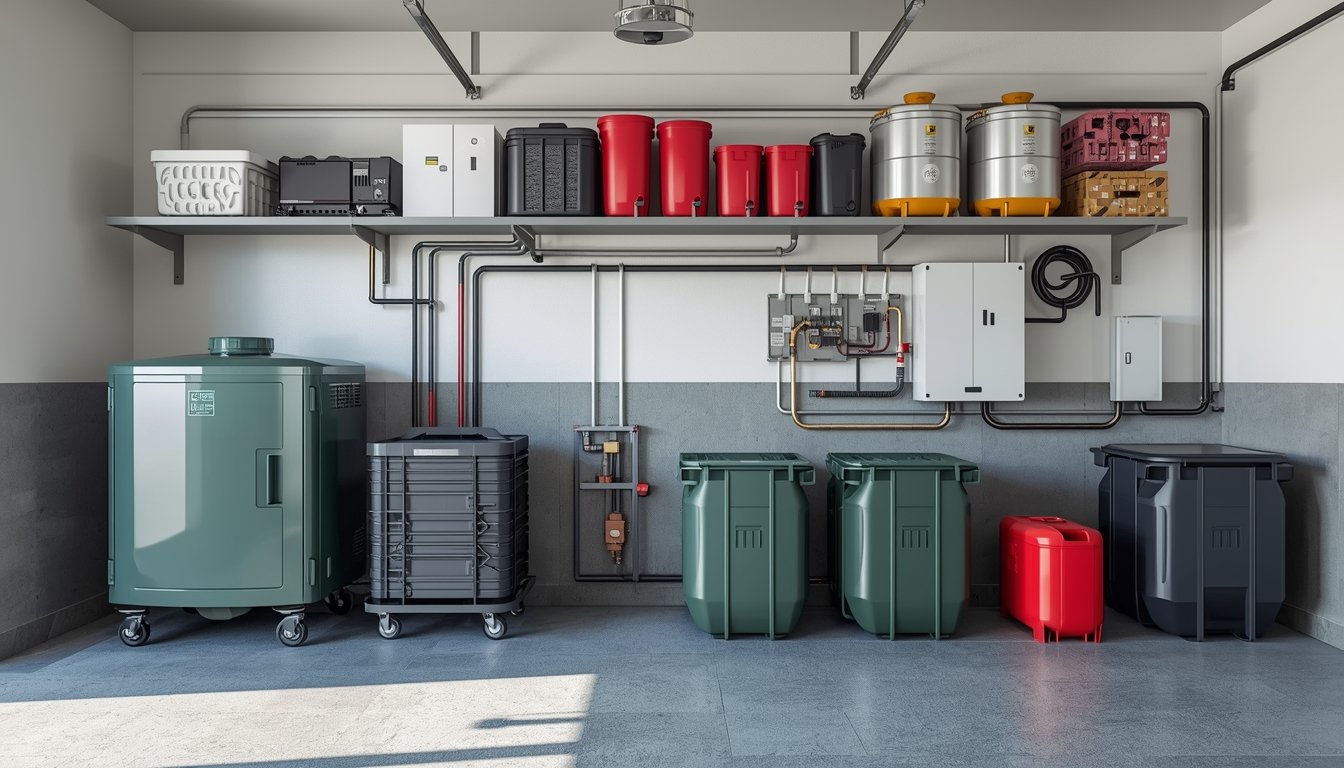
To determine the right propane tank size for a home backup generator, start by identifying your generator’s fuel consumption rate and expected runtime needs. A mid-sized home (with standard modern appliances) usually needs a 250-gallon tank for eight to twelve hours of continuous operation, while larger homes or longer outages may require a 500-gallon or bigger tank. Always size your tank to comfortably exceed your runtime requirements so you aren’t left without power during a prolonged outage.
Understanding Generator Fuel Demand and Tank Sizing
Propane tank sizing hinges on how much fuel your generator uses per hour and how long you want it to run continuously. Many typical home standby generators consume 2 to 3 gallons of propane per hour at half-load, which is common under standby conditions. Multiply your generator’s hourly consumption by your desired runtime to estimate the minimum tank size. For example, running a 10 kW generator for 24 hours could use roughly 60 gallons.
However, propane tanks can’t be emptied completely for safety reasons—they can only be safely filled to about 80% capacity. That means a 100-gallon tank offers about 80 usable gallons. Consider weather, accessibility, and local refilling services as well. If frequent power loss is expected, or you want to avoid mid-storm refilling, size up for greater peace of mind.
Typical Propane Tank Sizes for Home Generators
The most common tank sizes for home backup generators are 100, 250, 500, and 1,000 gallons. Selection depends on generator size, frequency of anticipated outages, and desired runtime. Here’s a breakdown for typical needs:
- 100-gallon tank: Best for small, portable generators or short emergency runtimes
- 250-gallon tank: Suits mid-sized homes needing daylong backup for essentials
- 500-gallon tank: Ideal for larger homes or multi-day outages without refilling
- 1,000-gallon tank: Provides long-term backup for big homes or extended outage risk
Choosing between these sizes involves more than just runtime. Consider space for installation, local code requirements, and how often you’re willing to schedule refills. Larger tanks mean fewer interruptions, but take up more space and cost more upfront. Plan carefully to balance convenience and budget with your risk tolerance and generator usage patterns.
Additional Sizing Considerations and Planning Resources
Other factors impact proper propane tank sizing, such as climate, home appliance demand, and generator model efficiency. Cold weather can reduce propane vaporization, leading to lower effective runtimes, so upsize your tank if you live in a freezing region. If your generator powers HVAC, well pumps, or electric water heaters, fuel demand will rise sharply.
For accurate estimates, combine knowledge of your home’s energy use, the generator’s fuel rating, and expected outage durations. Consulting with your local propane supplier can help—many offer on-site assessments. For further help with calculations and optimizing fuel usage, check out this resource: Generator Fuel Consumption and Runtime Planning. With the right planning, your home backup generator will deliver reliable power when you need it most, without surprises.